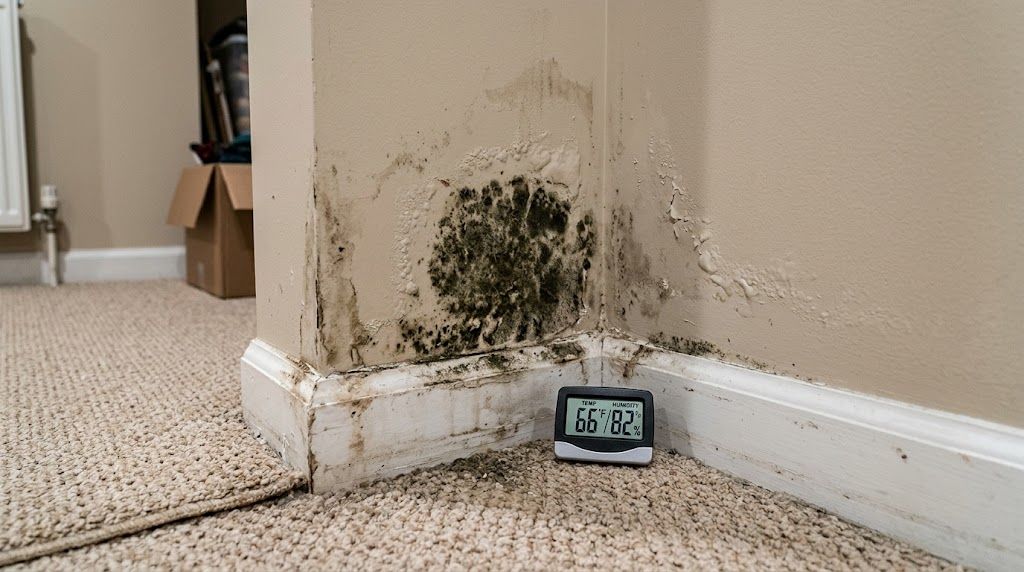
Someone finds a dark patch on a basement wall, searches “mold in basement,” and within a day has been quoted for air sampling, a lab report, and a remediation package. Most of that sequence is unnecessary, and the federal agency that writes the guidance says so in plain language.
Here is what the EPA actually recommends, what it means for a Georgia basement or crawl space, and the one thing that decides whether the mold comes back.
The EPA Does Not Recommend Testing in Most Cases
This is the part that surprises people. The EPA’s own guidance states that if visible mold growth is present, sampling is unnecessary in most cases. There are no federal limits for mold or mold spores, so there is nothing to compare a test result against. A lab report telling you which species you have does not change what you do about it.
Where testing can make sense is narrow: a health professional asks for it, a legal or real estate dispute requires documentation, or the source of a smell cannot be found visually. If you are being sold a test as the first step for a patch you can see, ask what decision the result would change.
The Ten Square Foot Rule
The EPA’s threshold is simple. If the moldy area is less than about 10 square feet, roughly a 3 foot by 3 foot patch, in most cases a homeowner can handle the cleanup. Larger than that, or spread across multiple areas, and it is a professional job.
A few conditions push it to a professional regardless of size:
- The HVAC system may be contaminated. The EPA is explicit: do not run the system if you know or suspect that it is. Air handlers in basements and crawl spaces are exactly where this happens.
- The water was sewage or otherwise contaminated. That is a different category of cleanup with different protection requirements.
- Someone in the house has health concerns. Consult a health professional before anyone starts disturbing it.
What Has to Be Thrown Away
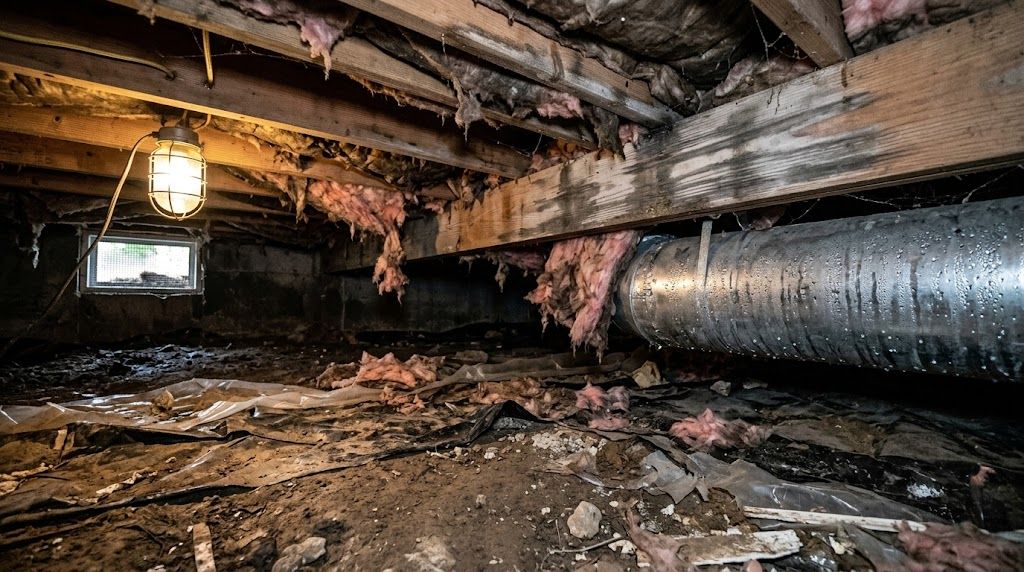
Hard, non-porous surfaces can be cleaned. Porous materials often cannot. Per the EPA, absorbent materials like ceiling tiles and carpet may have to be thrown away once they are moldy, because mold grows into the empty spaces and crevices where cleaning cannot reach. In a basement that usually means carpet, carpet pad, the paper face of drywall, fiberglass batt insulation, and cardboard boxes. Scrubbing the surface of drywall that has been wet for weeks is cosmetic. The growth is inside the paper.
Why Basement Mold Comes Back
The EPA’s core statement is worth quoting because it is the whole argument: the key to mold control is moisture control. If you clean up the mold but do not fix the water problem, the mold will most likely return.
That is the failure mode we see most in metro Atlanta. A homeowner pays for remediation, the wall is clean for a season, and the patch is back by spring, because the moisture that fed it never stopped. Mold is not the problem. It is the evidence of the problem.
Two numbers from the EPA frame what “fixing the water” means:
- Keep indoor relative humidity below 60 percent, ideally between 30 and 50. A basement or crawl space that sits at 70 percent all summer is a mold farm regardless of how often it is cleaned.
- Dry wet materials within 24 to 48 hours. Do that, and in most cases mold will not grow at all. Miss that window and cleanup becomes the only option.
Where the Moisture Is Coming From, in Order
In Georgia basements and crawl spaces, the moisture source is almost always one of these, and the order matters because each one is cheaper than the next.
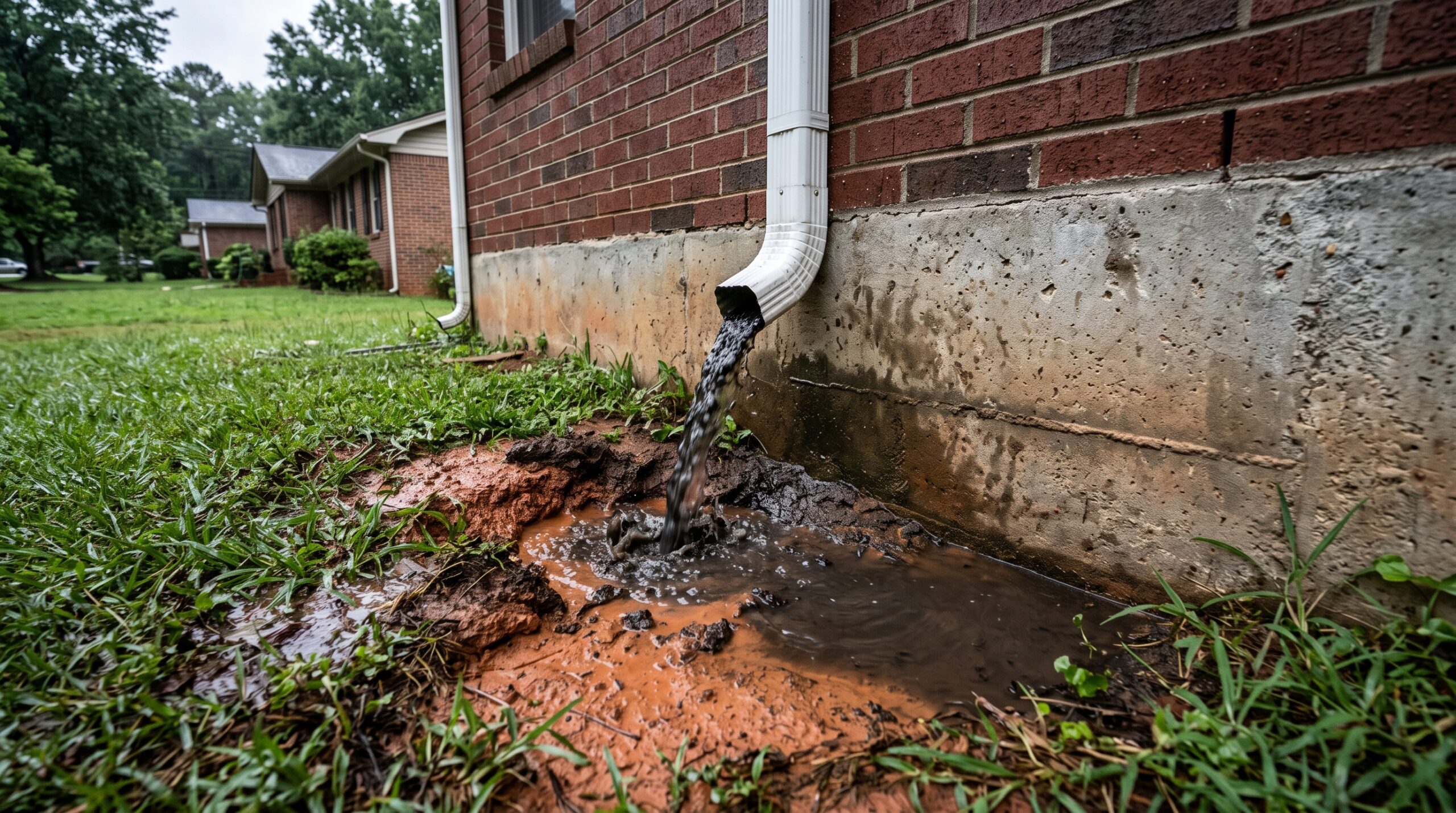
- Roof water discharged at the foundation. Still the most common single cause, and the cheapest to fix: gutters, downspouts and foundation problems.
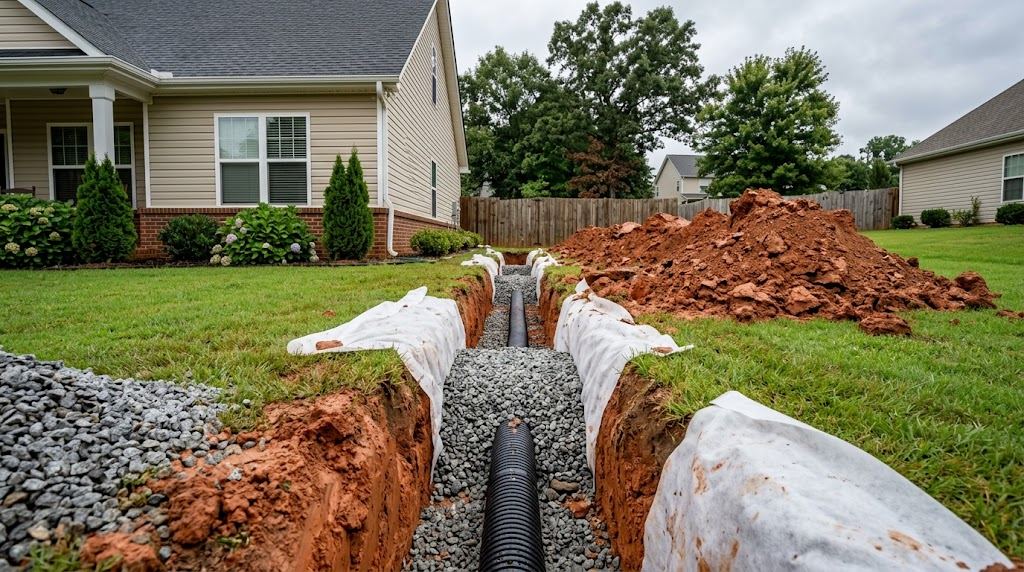
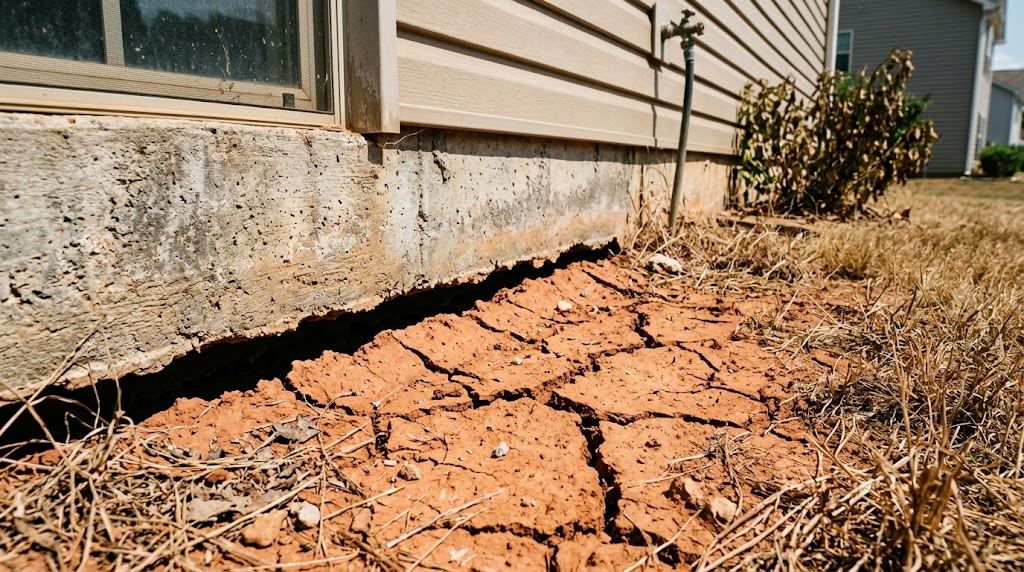
- Surface water that cannot drain away from the house. Grading and drainage, chosen for your lot: French drain, regrading, or dry well.
- Humid outdoor air pulled into a cool crawl space through open vents. This one surprises everyone, and it is the reason so many Georgia crawl spaces grow mold with no leak anywhere: crawl space vents, open or closed.
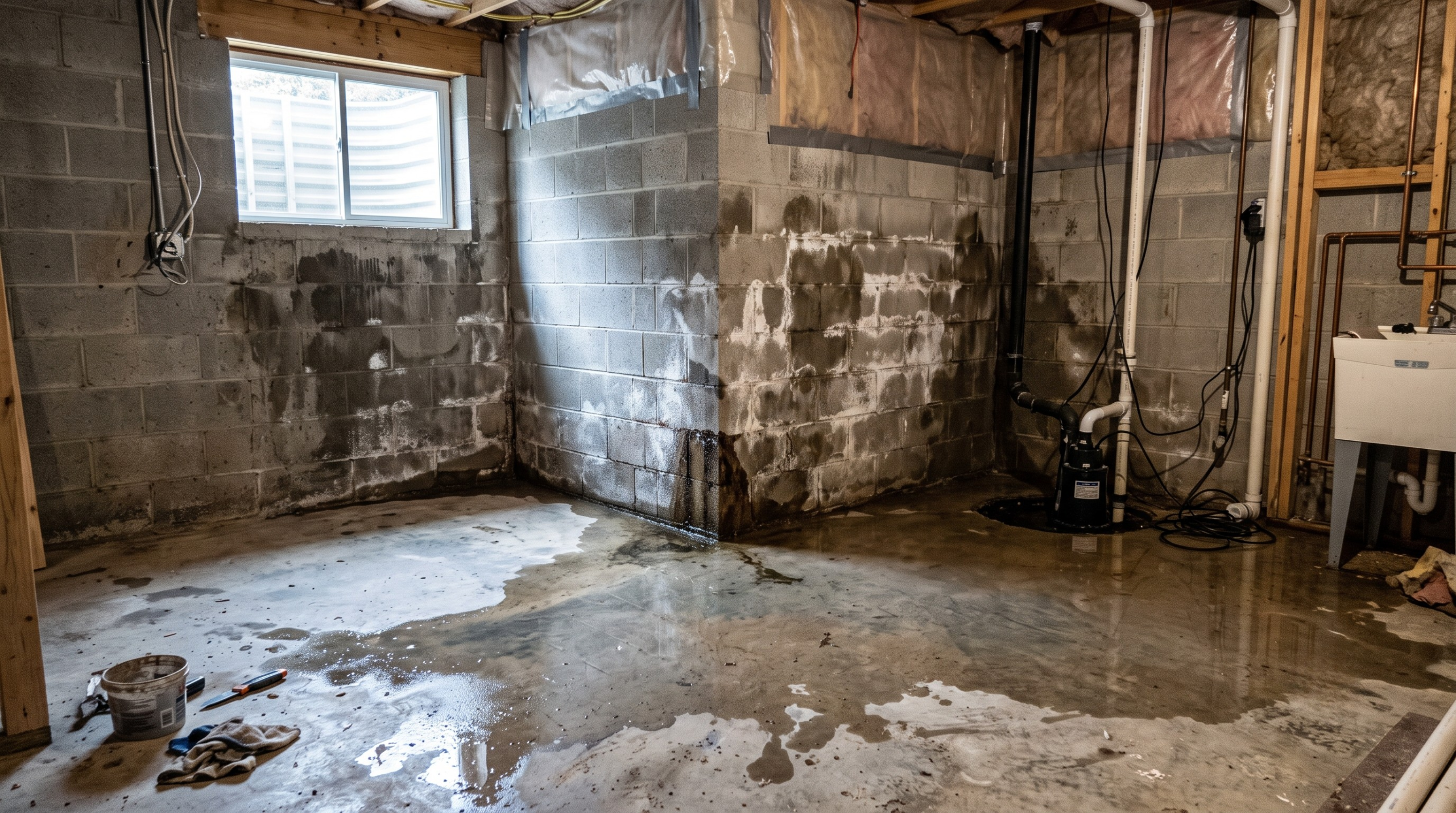
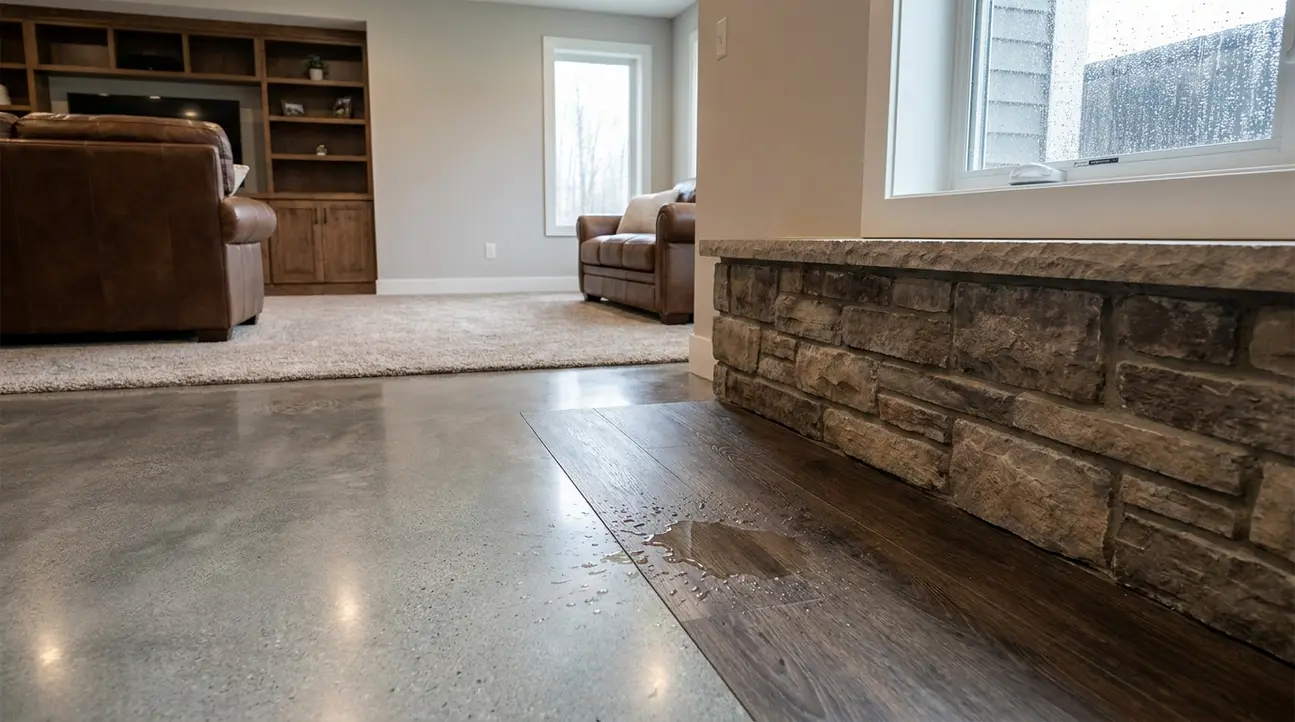
- Groundwater seeping through walls and the floor slab. That is a waterproofing problem, usually interior perimeter drainage and a sump, and it shows up as water coming up through the floor after rain or a persistent musty smell, which we covered in why the house smells damp even without rain.
- Plumbing and appliance leaks. Water heaters, washing machine hoses, condensate lines. Sudden, and usually the only category your insurance will actually cover, as we explained in does homeowners insurance cover basement water damage in Georgia?
The Right Order of Operations
If you have mold and a wet basement, the sequence that works is the opposite of the one most people are sold.
- Find and stop the water. Not “reduce.” Stop. This is the diagnostic visit, and it should come before anyone quotes a remediation.
- Dry the space. Dehumidification or conditioned air until the space holds below 60 percent, and stays there.
- Remove what cannot be cleaned. Wet drywall, carpet, batt insulation, cardboard.
- Clean what can be. Under 10 square feet on hard surfaces, you can do this. Over that, or anything involving HVAC or contaminated water, hire someone with mold experience and check their references, as the EPA advises.
- Verify the humidity stays down. A cheap hygrometer in the basement for a month tells you whether step one actually worked.
Notice that remediation is step four. When it is sold as step one, you are paying to clean a symptom while the cause keeps running.
Why This Matters More Going Into This Winter
Georgia soil has been dry most of the year and a strong El Niño points toward a wet winter for the Southeast, which we walked through in what an El Niño winter in Georgia means for your basement. For mold the practical translation is this: spaces that have stayed just barely dry for two years are the ones most likely to cross the 60 percent line and stay there from November to March. A patch that appears in February usually started in December. The moisture fix is a fall job.
Diagnose the Water, Then Deal With the Mold
CGS Waterproofing & Foundations handles mold remediation alongside the waterproofing, crawl space and drainage work that keeps it from coming back, across metro Atlanta including Atlanta, Marietta, Alpharetta, Norcross and Athens. Full service area here.
Schedule an inspection and we will tell you where the moisture is coming from before anyone talks about what to spray on the wall.