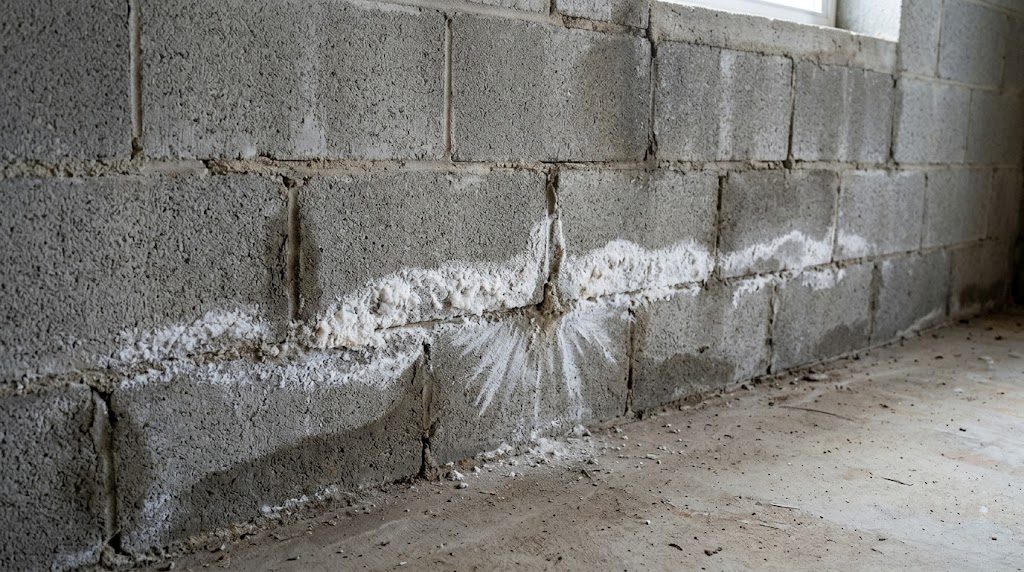
White Powder on Basement Walls: Efflorescence or Mold?
That white crust on your basement wall is usually efflorescence, not mold. How to tell them apart, what the pattern says about where the water is coming from, and why cleaning it is not the fix.
That white crust on your basement wall is usually efflorescence, not mold. How to tell them apart, what the pattern says about where the water is coming from, and why cleaning it is not the fix.
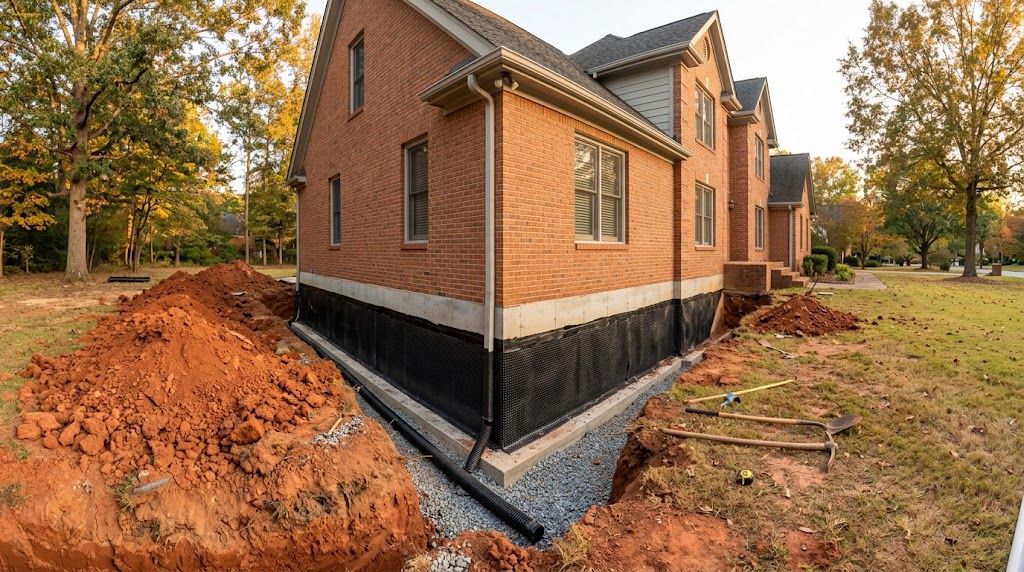
Interior and exterior waterproofing stop water in different places. What Georgia code actually requires, how each system works, and how to tell which one your basement needs.

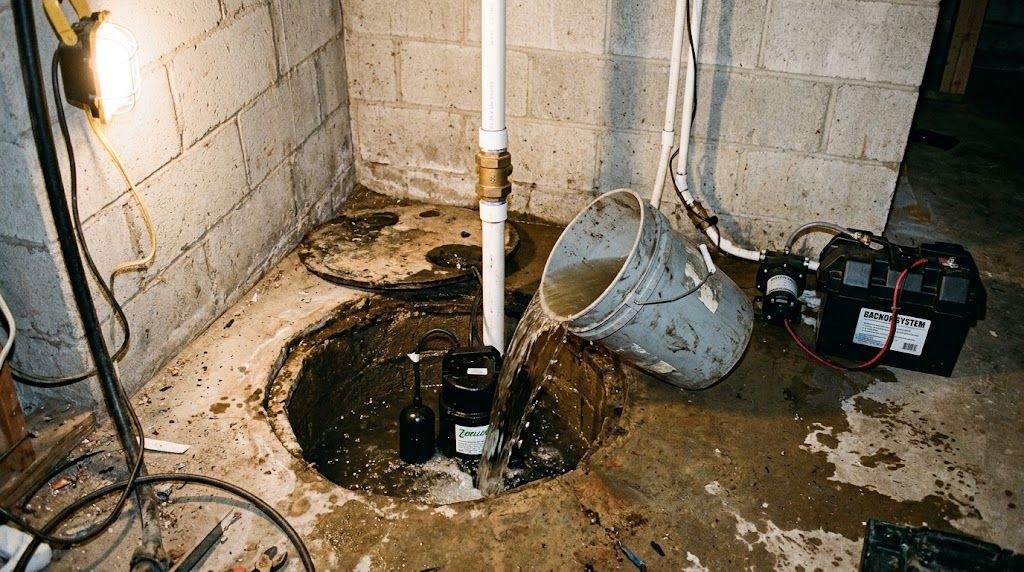
The most common reason a sump pump fails is a power outage, not the pump. The bucket test, the four real failure points, and why battery backup runtime is the number that matters.

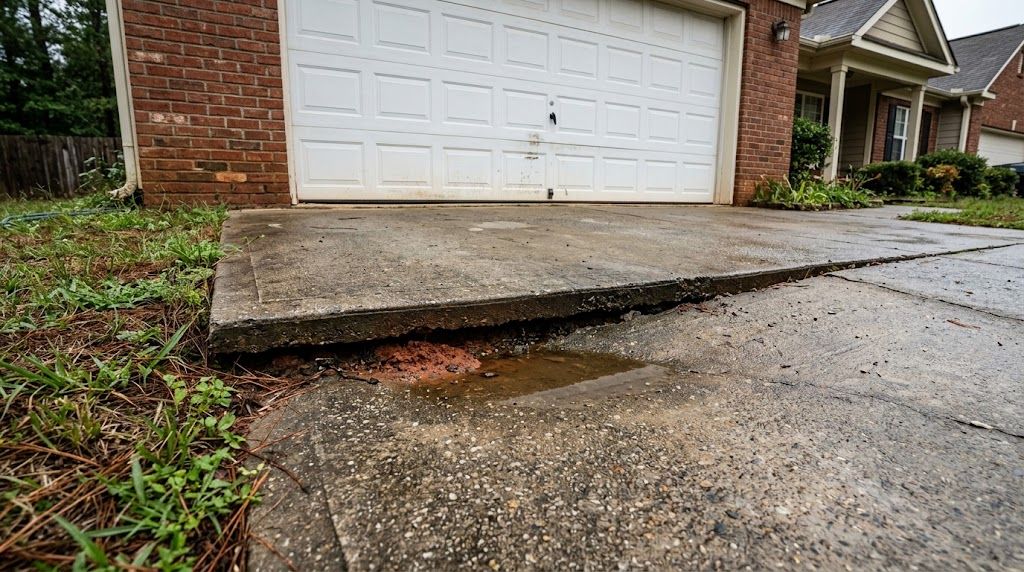
Concrete does not sink; the ground under it does. What causes voids under Georgia slabs, how mudjacking and foam lifting differ, and when replacement is the honest answer.

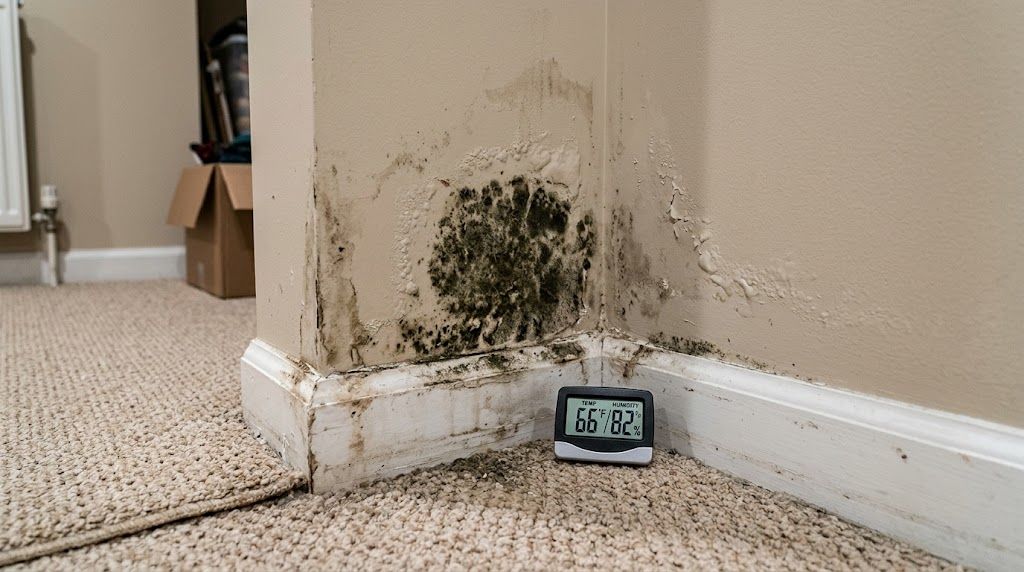
The EPA says testing visible mold is usually unnecessary, gives a 10 square foot rule, and puts moisture control first. What that means for a Georgia basement or crawl space.

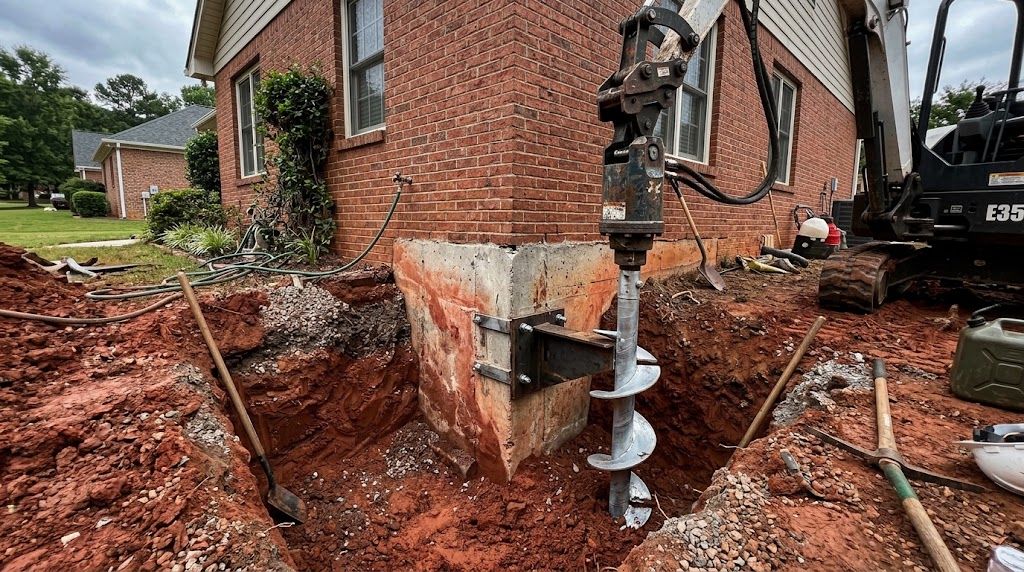
The USDA rates most metro Atlanta clay as low shrink-swell. What actually moves Georgia foundations, when piers are the right buy, and push vs. helical explained.

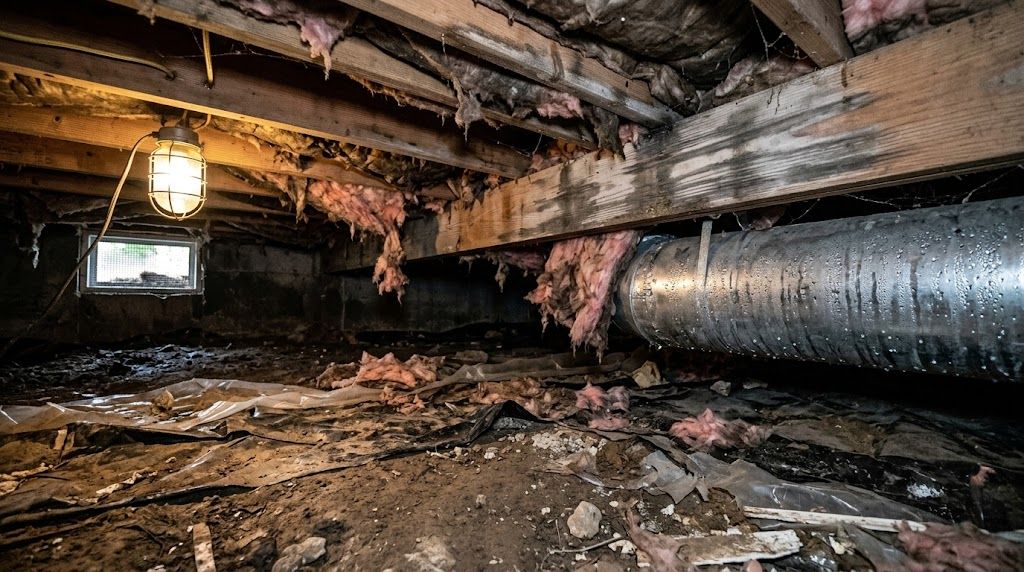
Opening crawl space vents in a humid Georgia summer does not dry the space out — it is the mechanism that soaks it. What the DOE field study found, and what the code allows instead.

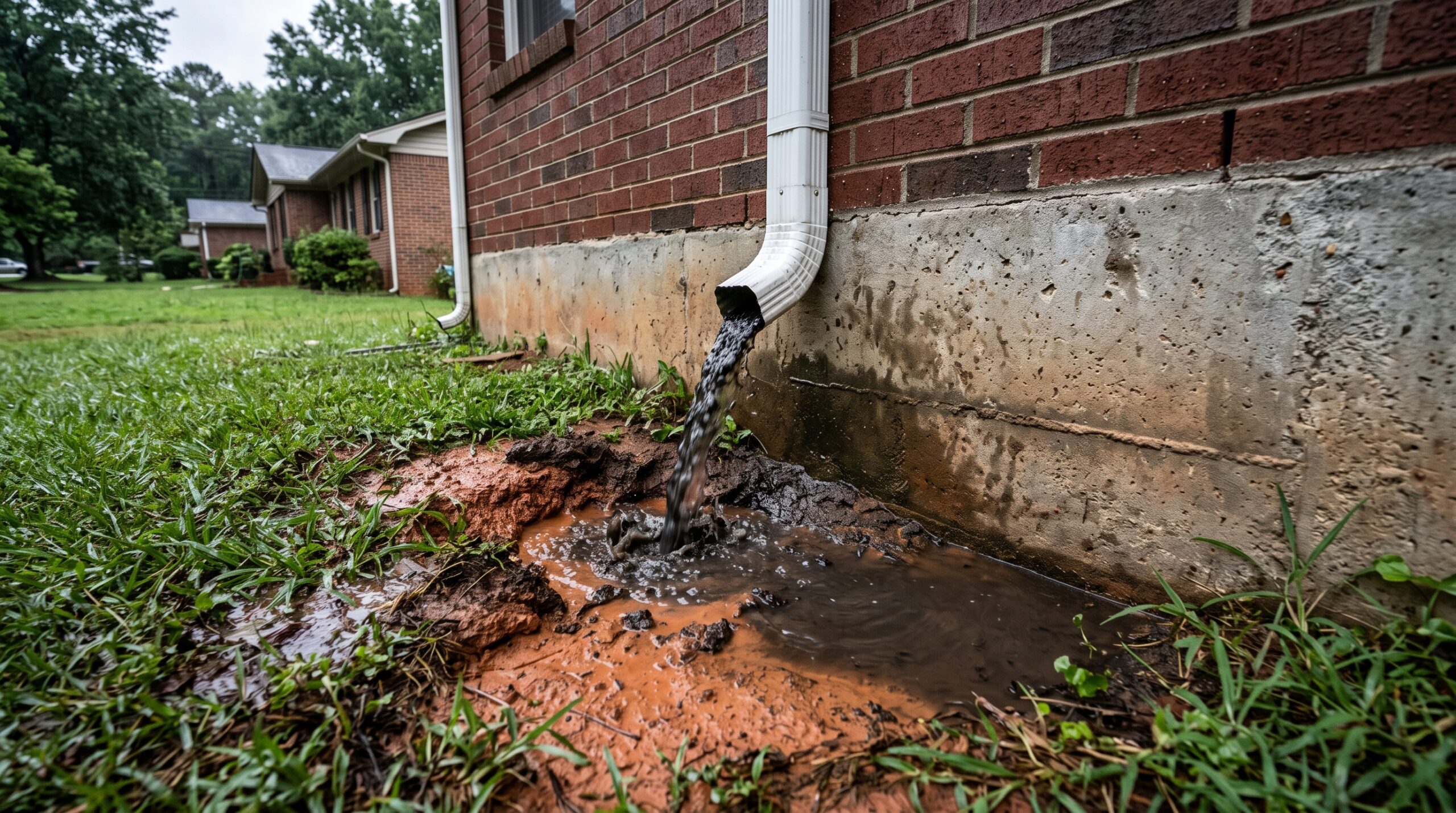
A 2,000 sq ft Atlanta roof sheds 1,246 gallons in a one-inch storm. Where that water lands decides whether your basement stays dry. How to size and check your system.

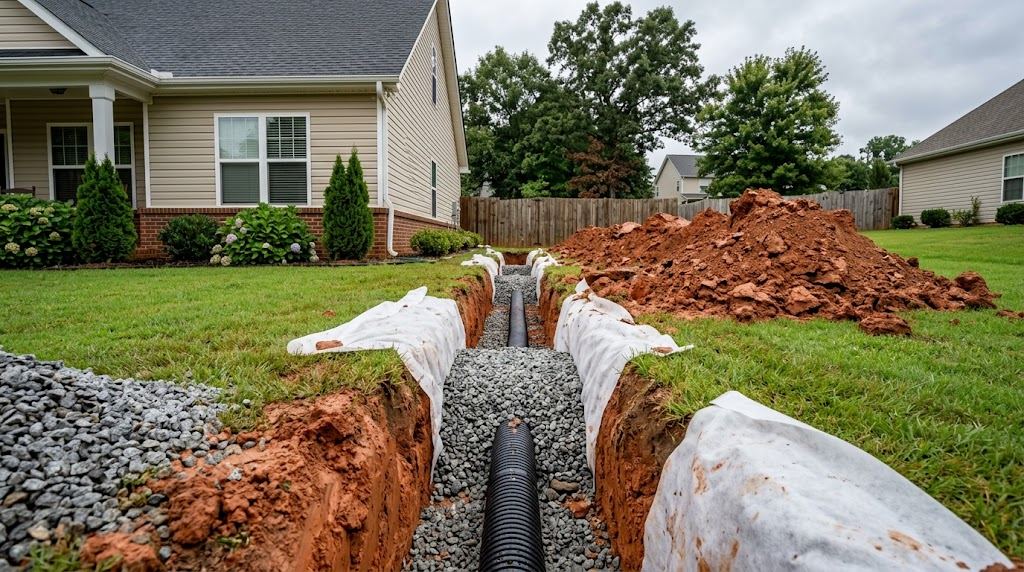
Three fixes, three different problems — and in Georgia clay one of them usually fails. How to choose, plus what state law says about sending water to your neighbor.