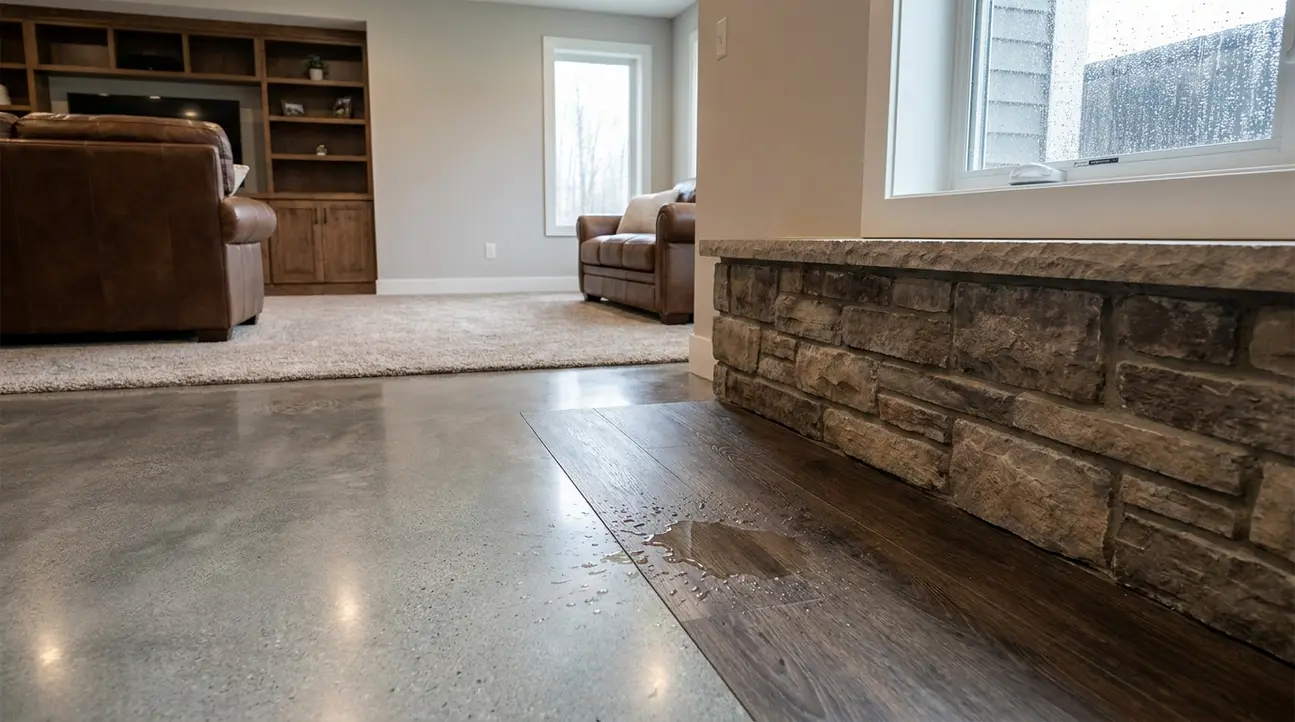
Waking up to puddles on your basement floor after a heavy rain can instantly turn a good day sour, leaving you wondering about your home’s safety.
This common issue, often exacerbated by Georgia’s unique red clay soil and frequent storms, indicates a deeper problem. We’ll explore why water comes up through your floor and what homeowners can do.
Understanding Water Seepage: What’s Happening Underfoot?
When water starts appearing on your basement or crawl space floor after a downpour, it’s a clear sign of water intrusion. This often happens due to a phenomenon called hydrostatic pressure. During heavy rainfall, the soil surrounding your foundation becomes completely saturated.
This saturated soil then exerts immense pressure against your foundation walls and floor slab. Groundwater, under this immense force, seeks the path of least resistance. It can penetrate your home through hairline cracks in the concrete, porous areas in the slab itself, or even expansion joints where the floor meets the wall.
When water comes up through your floor after rain, it’s typically due to hydrostatic pressure. Heavy rainfall saturates the soil around your foundation, increasing pressure that forces groundwater through any weak points. These pathways include hairline cracks, porous concrete, or expansion joints in your basement or crawl space slab.
It’s crucial to understand that this isn’t usually a pipe leak from within your home. Instead, it’s often groundwater being pushed inwards from the outside environment. This issue indicates that your home’s foundation and drainage systems are struggling to cope with the surrounding moisture.
Why Georgia Homes Are Prone to Floor Seepage After Rain
Georgia homes, particularly those in the Atlanta metro area, face unique challenges that make them susceptible to water seepage. Our state experiences significant heavy spring and summer rains, often in intense, short bursts. This seasonal deluge rapidly saturates the ground, overwhelming typical drainage capabilities.
The high humidity in Georgia’s climate also contributes to moisture problems, exacerbating existing dampness. However, the biggest culprit is often our region’s distinctive expansive red clay soil. When this clay gets wet, it absorbs a substantial amount of water and significantly expands.
This expansion puts tremendous stress and pressure on concrete foundations, leading to the development of cracks. As the clay dries, it shrinks, creating voids and shifting that can further damage your home’s structural integrity. These repeated cycles of expansion and contraction open pathways for water to easily enter your home. This is a common issue for homeowners across counties like Gwinnett, Fulton, and DeKalb.
Key Warning Signs: More Than Just a Puddle on Your Floor
Visible puddles on your basement floor are an obvious sign of water intrusion, but they’re rarely the first indication. Many homes in areas like Norcross experience subtle early warning signs that indicate developing issues. Recognizing these indicators can help you address problems before they escalate into significant damage.
Here are some key warning signs to watch for:
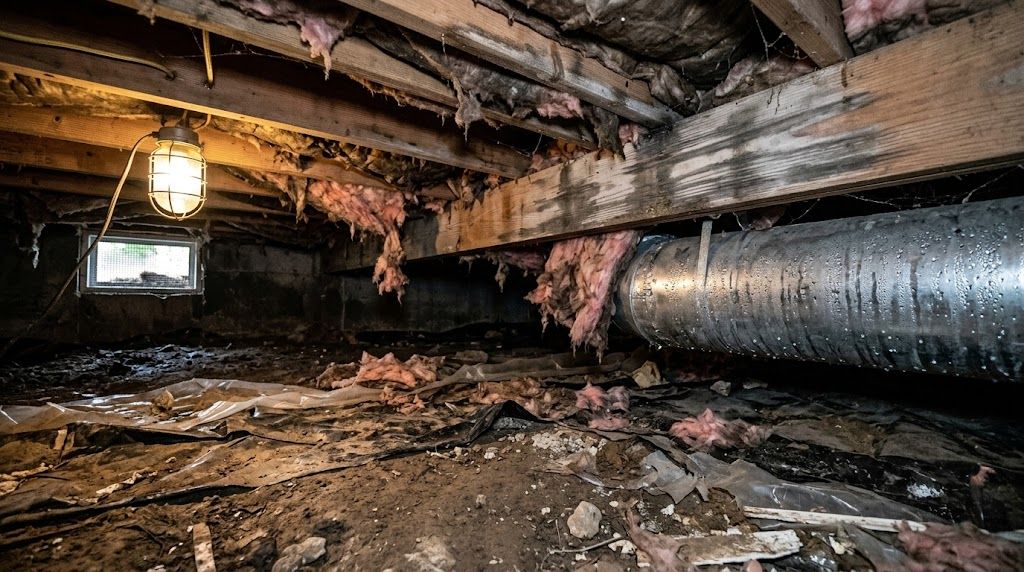
- Musty Odors: A persistent earthy or damp smell, especially in your basement or crawl space, often signals hidden moisture and potential mold growth.
- Damp Spots on Carpets or Rugs: Even if you don’t see standing water, consistently damp areas on flooring can mean moisture is wicking up from below.
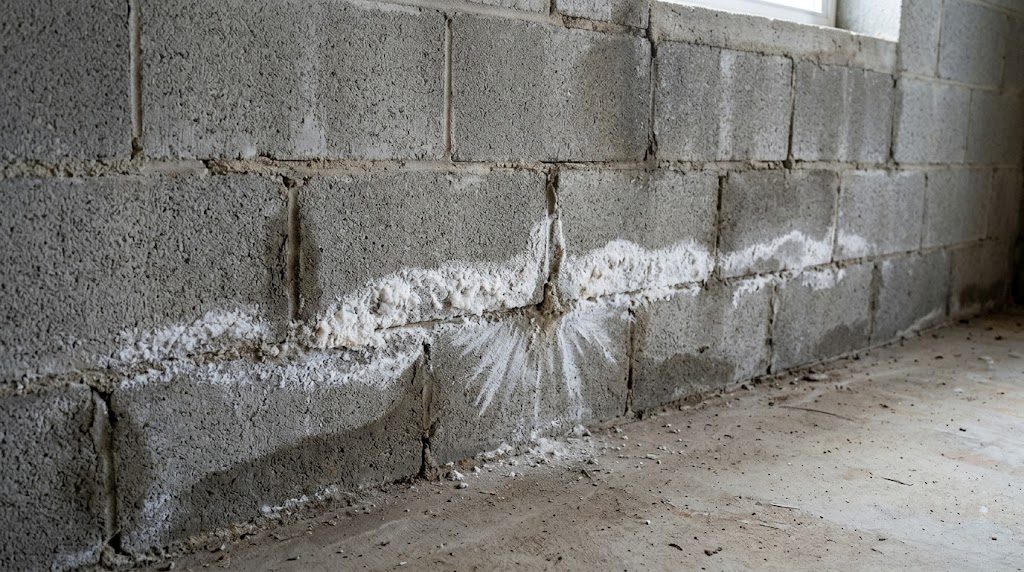
- Efflorescence: This is a white, powdery, crystalline residue that appears on concrete or masonry surfaces. It forms when water passes through concrete, dissolving mineral salts that are left behind as the water evaporates.
- Cracked or Bowing Basement Walls: While not always direct water seepage, these can be signs of external hydrostatic pressure building up. Such pressure can force water through walls and floors.
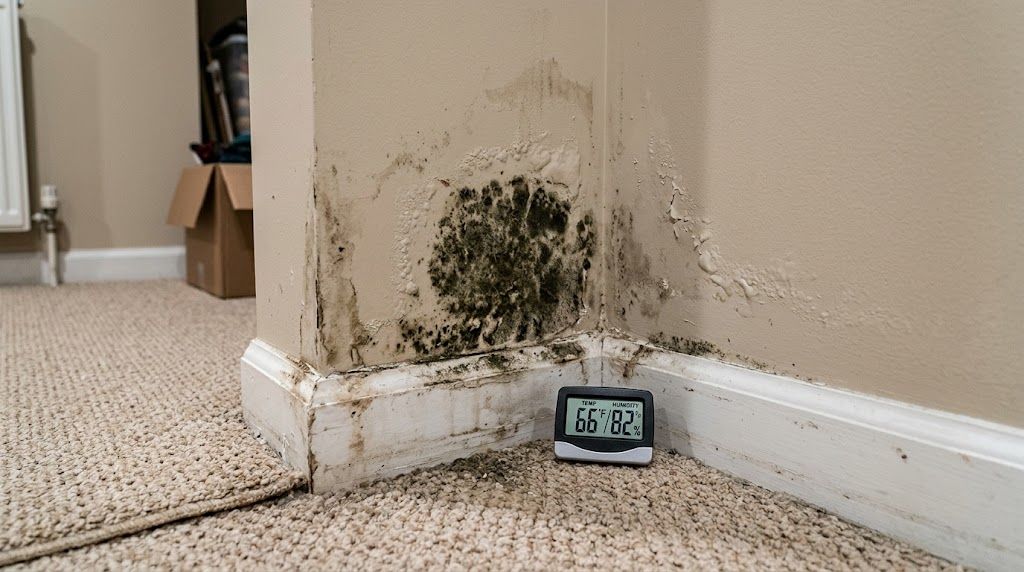
- Signs of Mold or Mildew Growth: Dark spots, fuzzy patches, or discolored areas on walls, floors, or stored items indicate a moisture problem. Mold thrives in damp, humid environments, posing health risks.
Paying attention to these less obvious signs can prevent more costly repairs down the line. Early detection is your best defense against extensive water damage.
The Hidden Costs of Ignoring Basement Floor Water Issues
Ignoring water coming up through your floor after rain might seem like a minor inconvenience, but the long-term consequences are substantial. These issues don’t just disappear; they progressively worsen, leading to a cascade of expensive problems. The initial puddle is often just the tip of a much larger and more serious iceberg.
Leaving water intrusion unaddressed can lead to a variety of significant damages and expenses:
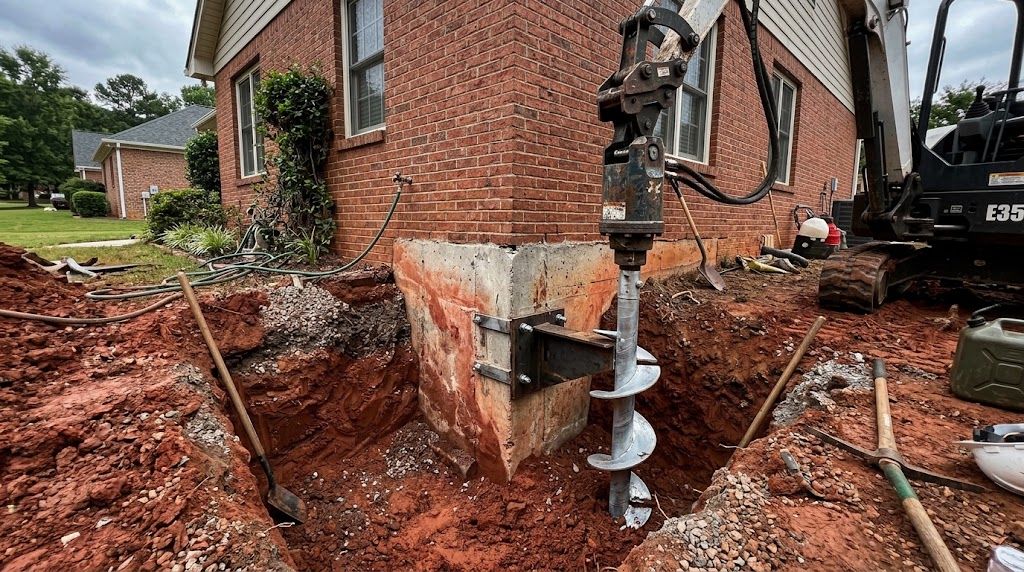
- Structural Damage to Foundation: Persistent hydrostatic pressure can compromise your home’s foundation over time. This can lead to serious structural issues, including cracking, settling, or bowing walls, which are extremely costly to repair.
- Mold and Mildew Growth: Constant dampness creates an ideal environment for mold and mildew to flourish. Beyond property damage, mold can trigger severe respiratory problems and other health issues for your family.
- Damage to Stored Belongings: Any items stored in your basement or crawl space, from cherished keepsakes to expensive furniture, are at risk of irreparable water damage, warping, and mold contamination.
- Decreased Property Value: A home with known water intrusion and foundation problems will significantly lose market value. Potential buyers are often deterred by such issues, leading to lower offers or difficulty selling.
- Increased Repair Costs Down the Line: What might be a relatively simple repair today can become an extensive and incredibly expensive overhaul if left unaddressed. Early intervention always saves money.
Drainage Solutions & Foundation Repair: Your Options
Effectively resolving water seepage requires a strategic approach that often combines several specialized solutions. At CGS Waterproofing & Foundations, we assess your specific situation to recommend the most effective options for your Georgia home. Preventing water from reaching your foundation or managing it once it enters are both critical.
Exterior Drainage Systems
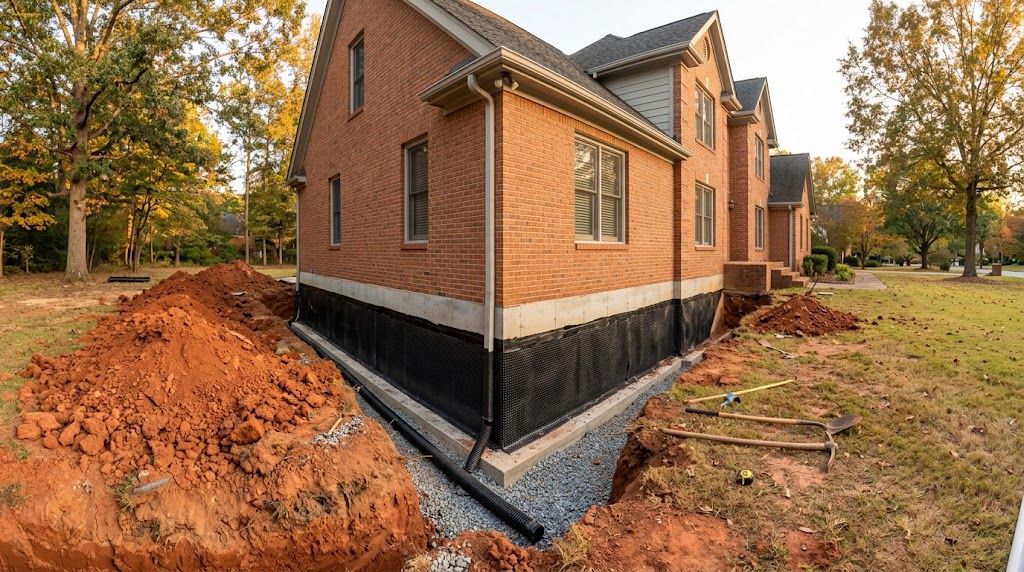
These systems are designed to divert water away from your foundation before it can build up pressure. A French drain is a common solution, involving a trench filled with gravel and a perforated pipe that collects subsurface water. Similarly, surface drains capture rainwater on the surface. Proper grading around your home is also vital, ensuring the ground slopes away from the foundation rather than towards it. These exterior measures are crucial for preventing hydrostatic pressure buildup against your basement walls and slab.
Interior Drainage & Sump Pumps
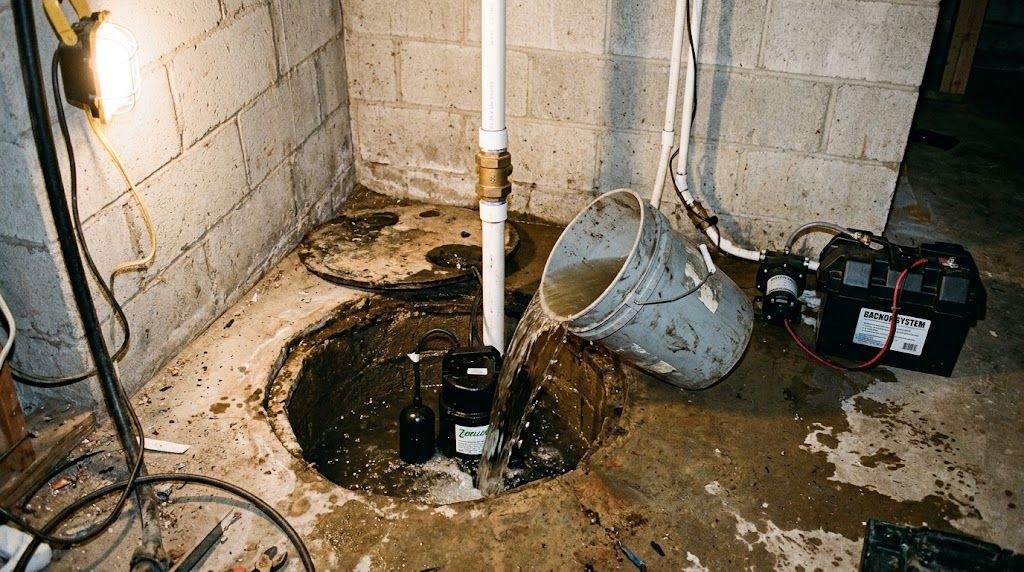
For water that still manages to penetrate your foundation, interior solutions provide effective management. An interior drainage system, often a perimeter drain installed along the basement floor, collects water as it enters. This collected water is then directed to a sump pump. The sump pump automatically activates when water reaches a certain level, pumping it safely out and away from your home. This combination is highly effective at keeping your basement dry even during heavy Atlanta metro rains.
Foundation Crack Repair
As part of a comprehensive waterproofing strategy, any cracks in your foundation walls or floor must be addressed. Small cracks in your concrete floor or walls can act as direct pathways for water penetration. We use specialized materials and techniques to effectively seal these cracks, preventing water from exploiting these vulnerabilities. This reinforces the integrity of your foundation, providing a more robust barrier against moisture.
When to Call the Experts: Professional Foundation & Waterproofing
While some minor dampness issues might seem like a DIY project, water coming up through your floor after rain signals a deeper problem. Attempting to fix severe foundation water issues with temporary, homemade solutions is often ineffective and can lead to more significant problems. Understanding the root cause of water intrusion requires specialized knowledge and equipment.
Professional foundation and waterproofing experts, like CGS Waterproofing & Foundations, offer comprehensive inspections. We accurately diagnose the source of the problem, whether it’s expansive clay soil, poor drainage, or foundation cracks. Based on this assessment, we provide tailored solutions designed to offer lasting protection for your home. Serving areas throughout Georgia, including homes in Forsyth, Gwinnett, and Norcross, our team has the expertise to ensure your basement or crawl space stays dry and healthy.
Conclusion:
Addressing water coming up through your floor after rain promptly is crucial. Ignoring the problem will inevitably lead to more significant, costlier repairs and potential health risks from mold.
Don’t wait for the next storm. Contact CGS Waterproofing & Foundations today for a professional inspection. Most inspections take under an hour — and the peace of mind is worth it.
CGS Waterproofing & Foundations — Proudly Serving the Greater Atlanta Metro Area Based in Norcross, GA, CGS Waterproofing & Foundations provides expert waterproofing, foundation repair, crawlspace encapsulation, concrete work, and drainage solutions across the following areas: Gwinnett County · Fulton County · DeKalb County · Forsyth County · Henry County · Douglas County · Rockdale County · Newton County · Jackson County · Clarke County · Oconee County · Dawson County
FAQ – Frequently Asked Questions
Here are some common questions homeowners ask about water coming up through their floors after rain:
What causes water to come up through basement floors?
This is often due to hydrostatic pressure, where saturated soil around your foundation pushes groundwater up through cracks, porous concrete, or expansion joints in your basement floor. Heavy rain significantly increases this pressure.
Is water coming through my floor a serious problem?
Yes, it indicates a compromised foundation or drainage issue that can lead to significant problems. Ignoring it can cause structural damage, mold growth, property value decrease, and costly repairs in the future.
Why is this common in Georgia homes?
Georgia’s expansive red clay soil, combined with frequent heavy rains and humid summers, creates conditions ripe for hydrostatic pressure. The clay expands when wet, putting immense strain on foundations and creating pathways for water intrusion.
What are the first steps I should take if I see water?
First, safely remove any standing water and address immediate moisture to prevent mold. Then, contact a professional waterproofing and foundation expert like CGS Waterproofing & Foundations for a thorough inspection to determine the root cause and best solution.
Can I fix water coming through my floor myself?
While minor surface fixes might seem appealing, water seeping through your floor usually points to deeper structural or drainage problems. Professional assessment and repair are crucial for a long-lasting, effective solution that addresses the underlying issues, preventing recurrence.