The sump pump fails at 2 a.m. during the heaviest rain of the year. That is not bad luck. It is the only time it is ever asked to do anything, so it is the only time it can fail. And in most cases, it is not the pump that quits. It is the power.
With Georgia soil dry from a year of drought and a strong El Niño pointing at a wet winter, this is the fall to find out whether yours works before the storm does it for you. Here is the twenty-minute test, the parts that actually fail, and the one upgrade that matters more than a bigger pump.
The Bucket Test
Do this once a year at minimum, and this year do it now. The procedure, per standard homeowner guidance, is simple:
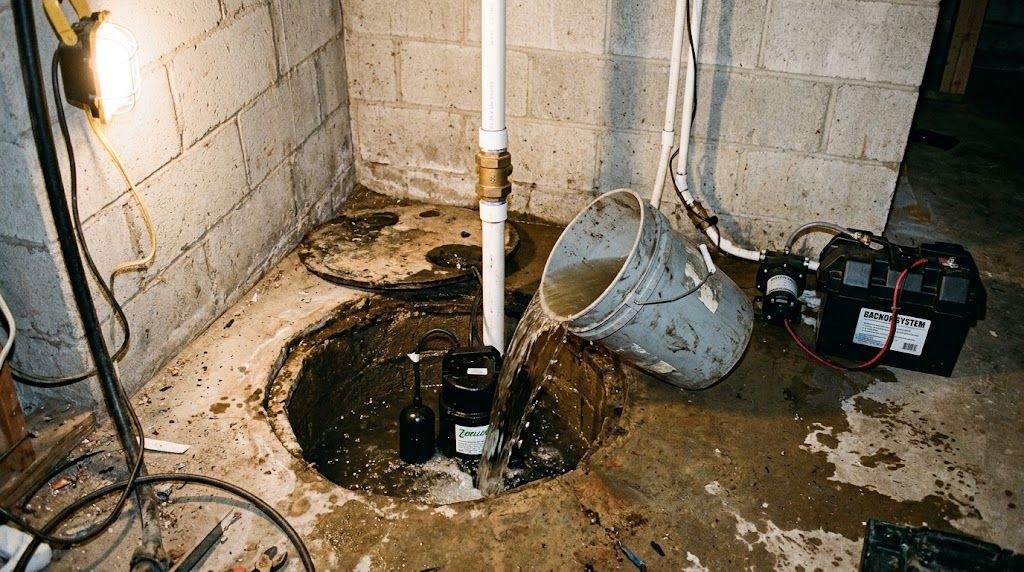
- Fill a five-gallon bucket and pour it into the pit. Watch the float rise.
- The pump should kick on before the water reaches the top of the pit, draw the water down, and shut off on its own once most of it is gone.
- Listen after it stops. A short clunk is the check valve closing. Water rushing back into the pit, or the pit refilling on its own, means the check valve has failed and the pump is lifting the same water over and over.
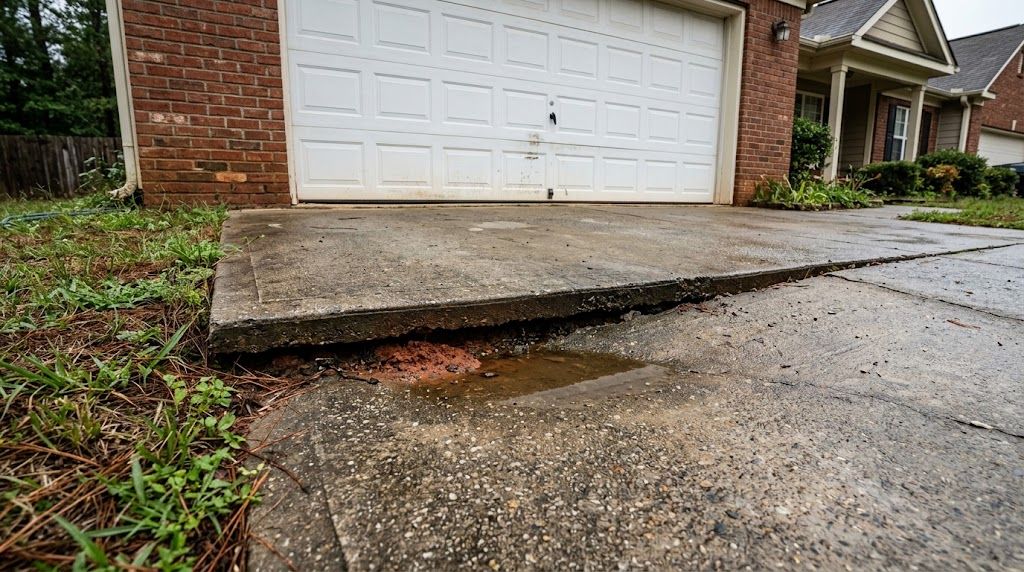
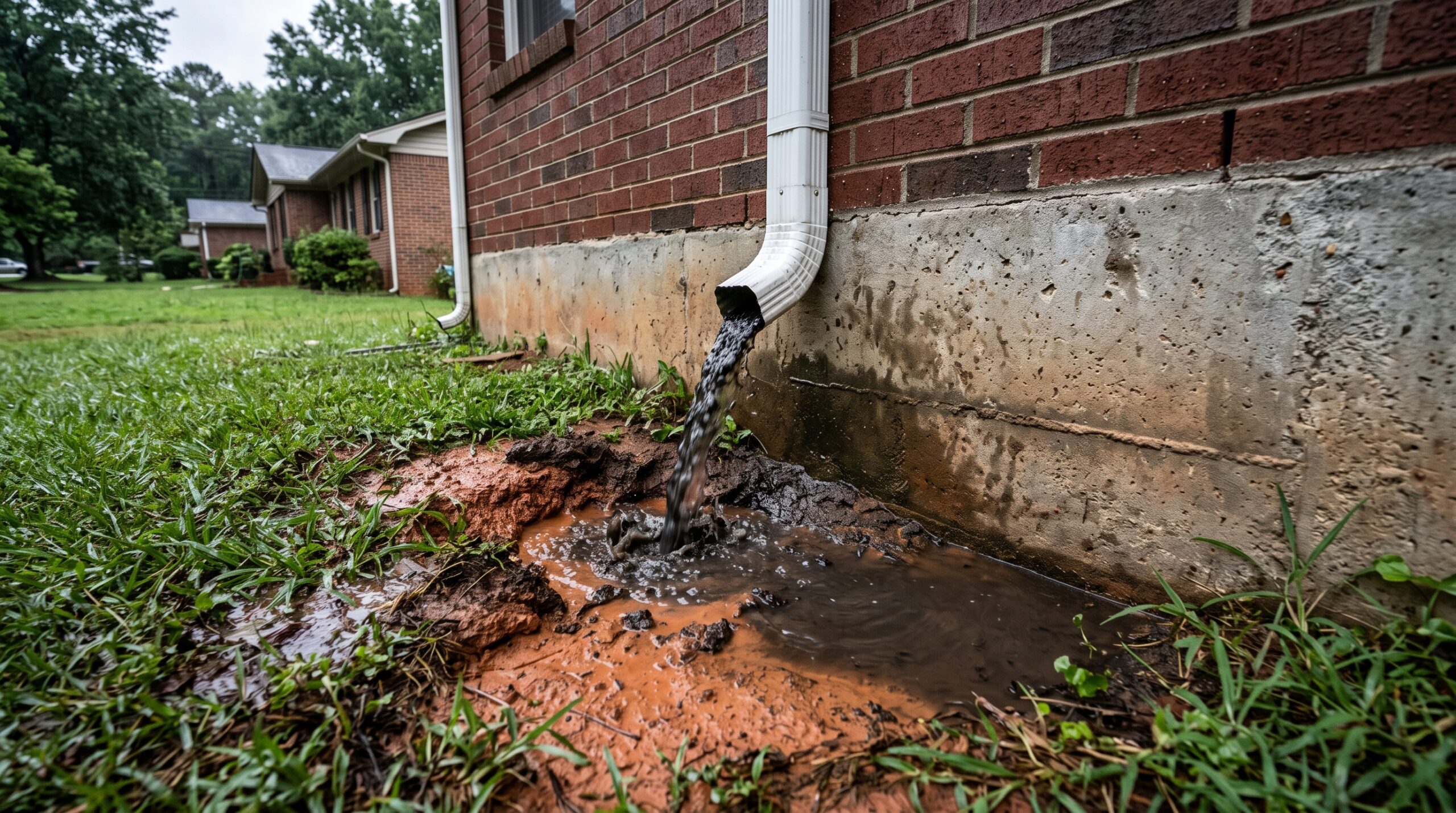
- Go outside and find the discharge. Confirm water actually came out, and see where it landed. A discharge line that dumps beside the foundation is sending the water right back into the pit, which is the same problem we described in gutters, downspouts and foundation problems.
- If there is a battery backup, unplug the primary and pour again. The backup should take over on its own. If you have never done this, assume it does not work until it does.
What Actually Fails
The float switch. The most common mechanical failure. It hangs up on the pump body, the discharge pipe, or the side of a pit that is too small, and the pump never turns on. A pit with debris or a pump that has shifted is usually the cause.
The intake. The motor runs but the water does not move. The screen is clogged with silt, gravel, or, in the words of the guidance above, socks and mice. Pits that were never cleaned collect years of fines from the soil.
The check valve. When it fails the pump short-cycles, running far more often than it should, which is how a pump wears out early.
The pump itself. Sump pumps generally last seven to ten years. If yours came with the house and you do not know its age, it is probably in that window. A burned-out motor is replaced, not repaired.
The power. This is the one that matters most and gets the least attention, and it is the subject of the next section.
The Storm That Floods the Basement Is the Storm That Kills the Power
Per the same guidance, the most common reason a sump pump fails to run is a power outage, not a problem with the pump. The logic is unforgiving: heavy storms bring down lines, and heavy storms are exactly when the pit fills fastest. A perfectly maintained pump with no power is a plastic bucket.
A battery backup is a second, independent pump in the same pit with its own float set slightly higher than the primary’s. It does nothing until the primary stops, then it takes over. Two numbers that decide whether it is enough:
- Runtime depends entirely on how fast water comes in. One manufacturer’s 40 amp-hour system is rated for about 53 hours if the pump cycles every five minutes. If the water table is high enough that it cycles every minute, the same battery lasts about 12 hours. In a multi-day wet pattern, that difference decides whether the basement floods on night two.
- The battery is a consumable. The standard replacement interval is about five years. A backup with a dead battery is worse than no backup, because you think you are covered.
There is also a water-powered alternative that runs on municipal water pressure with no battery at all. It uses about one gallon of city water for every two gallons it removes, and needs at least 40 PSI and a 3/4 inch supply line. It runs indefinitely during an outage, which is its whole advantage, at the cost of a higher water bill during the event.
Whichever you have, add an alarm. A local high-water alarm or a system that texts you costs little and is the only way to learn the pump has failed before the carpet does.
Discharge Lines Freeze in Georgia Too
It does not happen often, but it does happen, usually on the nights when it matters. A discharge line with a low spot that holds water, or an outlet buried in snow or leaves, can freeze or block, and the pump then runs against a closed pipe until it burns out. Check that the line slopes continuously away from the house, that the outlet is clear, and that the line has an air gap or a freeze-relief fitting near the house.
What a Sump Pump Will Not Fix
A sump pump manages water that has already reached the pit. It does not address why the water got there.
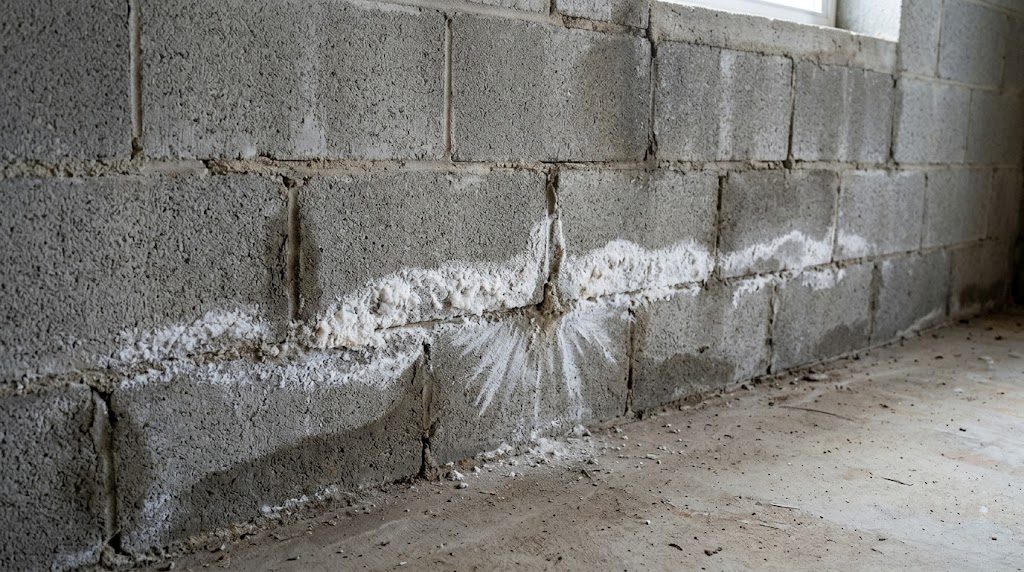
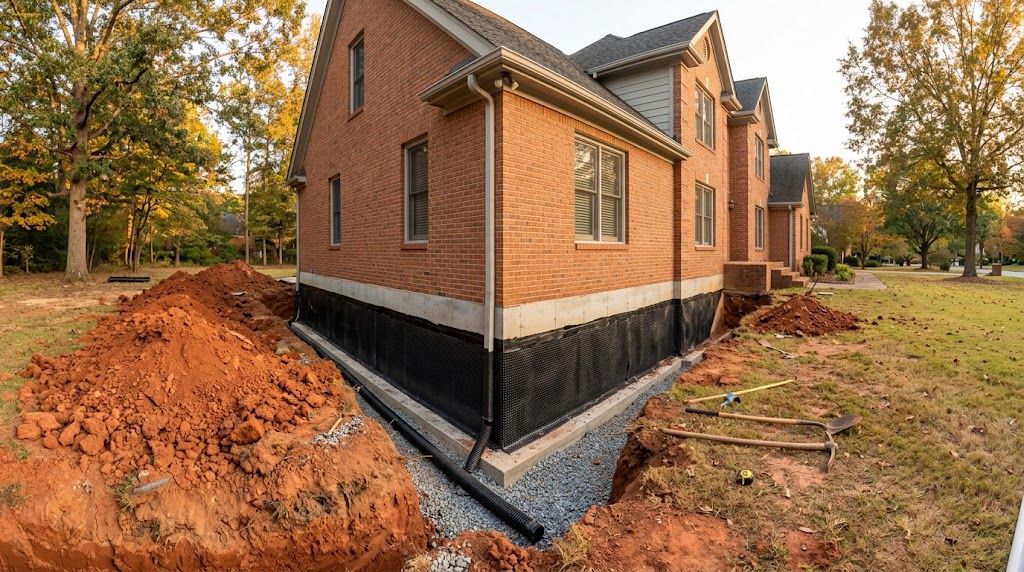
If the pump is running constantly, the answer is not a bigger pump. It is less water: roof runoff extended away from the house, grading corrected, and drainage that moves surface water elsewhere, which we walked through in French drain, regrading, or dry well. And if water is coming through the walls rather than collecting at the perimeter drain, that is a waterproofing problem the pump cannot see, showing up as water coming up through the floor after rain.
The pump is the last line. Everything cheaper sits in front of it.
Why Now
We have said it in every post this season and it is still the reason: Georgia soil is cracked and dry from a year of drought, a strong El Niño points toward a wetter than usual winter for the Southeast, and the two together push more water toward foundations than either alone. We laid the outlook out in what an El Niño winter in Georgia means for your basement. A sump pump that has not been tested since last spring is a guess. Twenty minutes and a bucket turn it into a fact.
And if the pump does fail and the basement floods, remember what the policy covers: sump pump failure and water backup are excluded from standard homeowners insurance unless you bought the endorsement, as we broke down in does homeowners insurance cover basement water damage in Georgia?
Get the Whole System Checked, Not Just the Pump
CGS Waterproofing & Foundations installs and services sump systems as part of basement waterproofing and crawl space work across metro Atlanta, including Atlanta, Marietta, Alpharetta, Norcross and Athens. Full service area here.
Schedule an inspection before the wet season and we will test the pump, the backup, the check valve and the discharge, and tell you whether the pit is getting more water than it should.