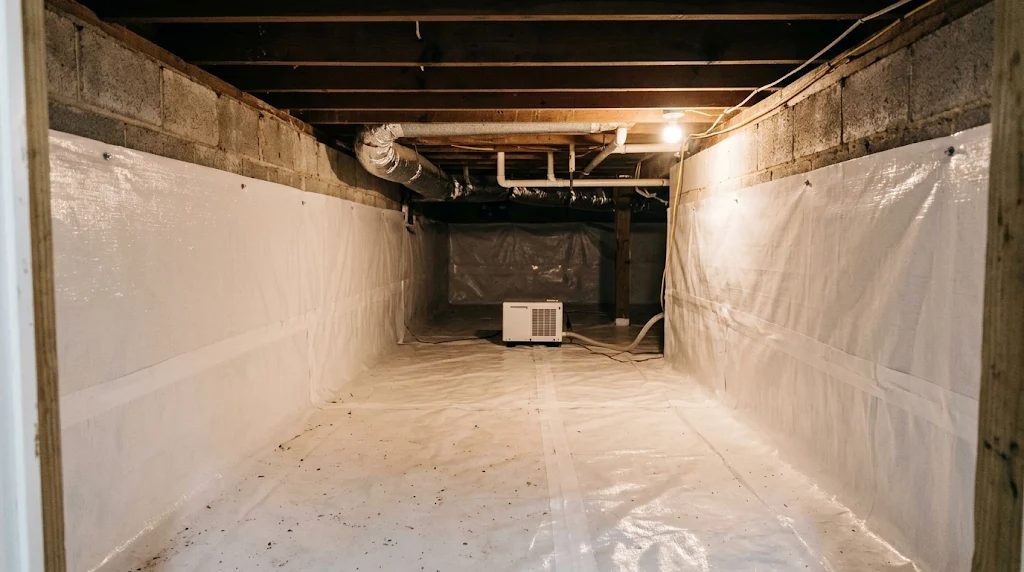
Crawl space encapsulation is sold as a sheet of plastic and a weekend of work. Done that way, it can trap moisture against your floor framing and get flagged the next time a termite inspector crawls under the house. Done right, it is one of the most effective moisture fixes a Georgia home can get. The difference is in the steps most quotes skip.
Here is what a proper crawl space encapsulation includes, what Georgia’s building code and pest control regulators expect, and the mistakes to watch for before you sign.
What Encapsulation Actually Means
Encapsulation turns a vented crawl space into a closed, dry one. In practice that means four things: stopping water from getting in, sealing the foundation vents, covering the ground and lower walls with a continuous vapor retarder, and giving the space a way to stay dry. Leave any of those out and the job does not work.
The U.S. Department of Energy’s Guide to Closing and Conditioning Ventilated Crawlspaces is blunt about it: retrofitting a vented crawl space “requires more than just sealing off the vent openings.” The same guide explains why Georgia homes need it. In mixed and hot-humid climates, vented crawl spaces tend to raise the moisture level underneath the house, and that moisture “condenses on the colder wood surfaces of the floor framing.” We covered the research behind closing vents in should crawl space vents be open or closed in Georgia?
Step 1: Fix the Water Before You Seal Anything
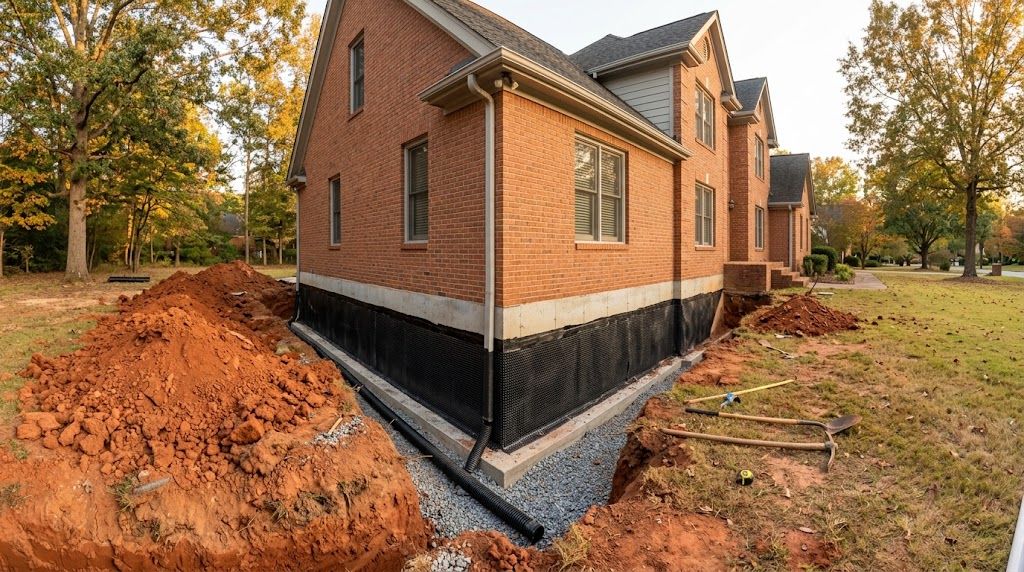
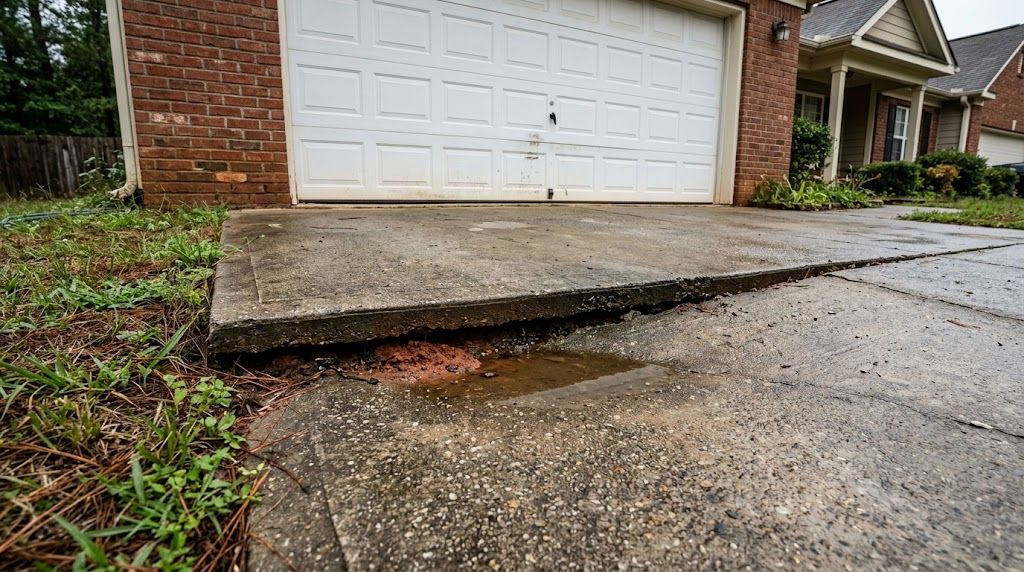
Encapsulation keeps out humid air and ground moisture. It is not built to handle liquid water. The DOE guide starts every project in the same place: “Controlling bulk water on the exterior of the building is the first step.” That means soil that slopes away from the foundation, at least 6 inches over the first 10 feet, and roof runoff carried well away from the house. Any standing water inside the crawl space must be eliminated and its source found before the liner goes down.
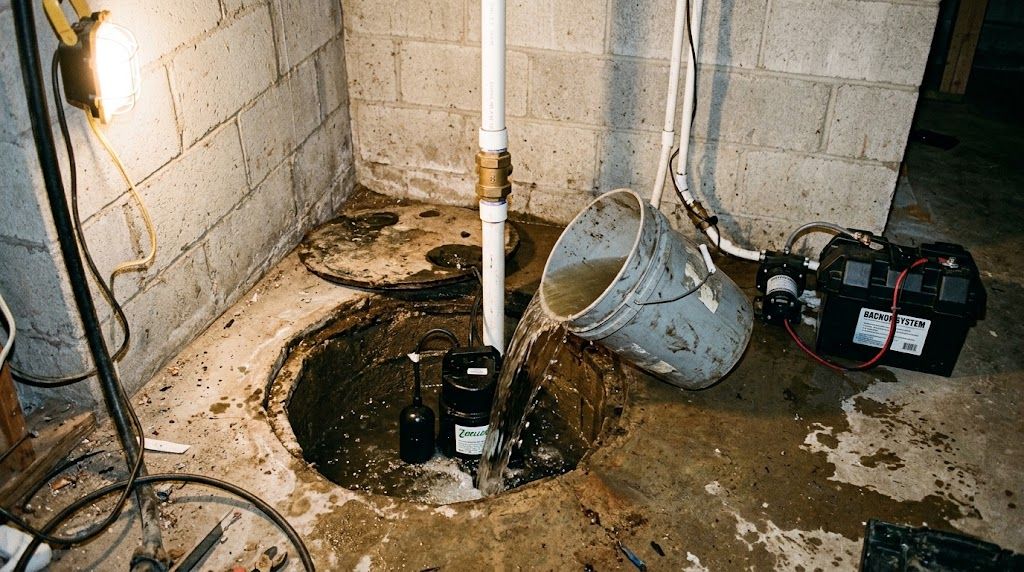
If water pools in your crawl space after rain, it needs drainage, and sometimes a sump pump, first. Sealing a liner over a wet crawl space just hides the water. We explained the outside fixes in do gutters cause foundation problems? and French drain, regrading or dry well.
Step 2: The Liner Has to Meet Code, Not Just Cover Dirt
Georgia builds to the International Residential Code, and Section R408.3 sets the rules for an unvented crawl space. As summarized in the Georgia Department of Agriculture’s compliance fact sheet on under-floor ventilation, the exposed ground must be covered by a continuous Class I vapor retarder, with:
- Seams overlapped by 6 inches and sealed or taped.
- Edges carried at least 6 inches up the foundation wall and attached and sealed to the wall.
A loose sheet of thin plastic with open seams does not meet that standard. Many contractors also use a thicker, reinforced liner than the minimum so it survives foot traffic from plumbers, HVAC techs and inspectors over the years.
Step 3: Give the Crawl Space a Way to Stay Dry
Sealing the vents is only allowed when the crawl space has another way to control moisture. Under R408.3, as Georgia applies it, that means one of these:
- A continuously running exhaust fan, sized at 1 cfm per 50 square feet of crawl space.
- A small supply of conditioned air from the home’s HVAC system, also 1 cfm per 50 square feet, with a return path.
- A dedicated dehumidifier that drains automatically, by gravity, into a sump, or through a condensate pump, as the Georgia fact sheet describes.
In practice, most Georgia encapsulations use a crawl space dehumidifier, because it controls humidity directly and does not depend on how the HVAC system is running. The goal is the same humidity range the EPA recommends for the rest of the house: below 60 percent, ideally 30 to 50 percent.
Why It Matters When You Sell: The Termite Letter
This is the Georgia-specific part most homeowners never hear about. When a pest control company writes a Wood Infestation Inspection Report, the termite letter used in most home sales, Georgia’s Structural Pest Control rules require the inspector to check under-floor ventilation against the building code adopted by the state. According to the Georgia Department of Agriculture fact sheet, a crawl space that does not meet code can be noted on the report as “insufficient ventilation.” For fungus or wood-boring beetle treatments, that ventilation must be corrected, and the state’s official waiver form cannot be used to skip it.
In other words, a closed crawl space that meets R408.3 is fine. A crawl space with vents blocked and nothing else done can turn into a problem on a closing timeline. Encapsulate to code, and keep the paperwork.
Moisture is also why termites matter here at all. The DOE guide notes that termites and carpenter ants thrive in dark, damp places, and calls for inspecting framing and walls before any closing work begins.
Crawl Space Encapsulation Mistakes to Avoid
- Sealing over an active leak. Water first, liner second.
- Blocking vents with no drying system. That is the setup that gets flagged on inspection reports.
- Open seams and loose edges. Ground moisture comes up through the gaps.
- A dehumidifier with nowhere to drain. It needs an automatic drain, not a bucket.
- Ignoring gas appliances. If a furnace or water heater in the crawl space draws combustion air from it, closing the space changes how that appliance breathes. Have it evaluated as part of the project.
- Covering the top of the foundation wall. Leave room for termite inspectors to see the wall where it meets the framing.
Signs Your Crawl Space Needs Attention
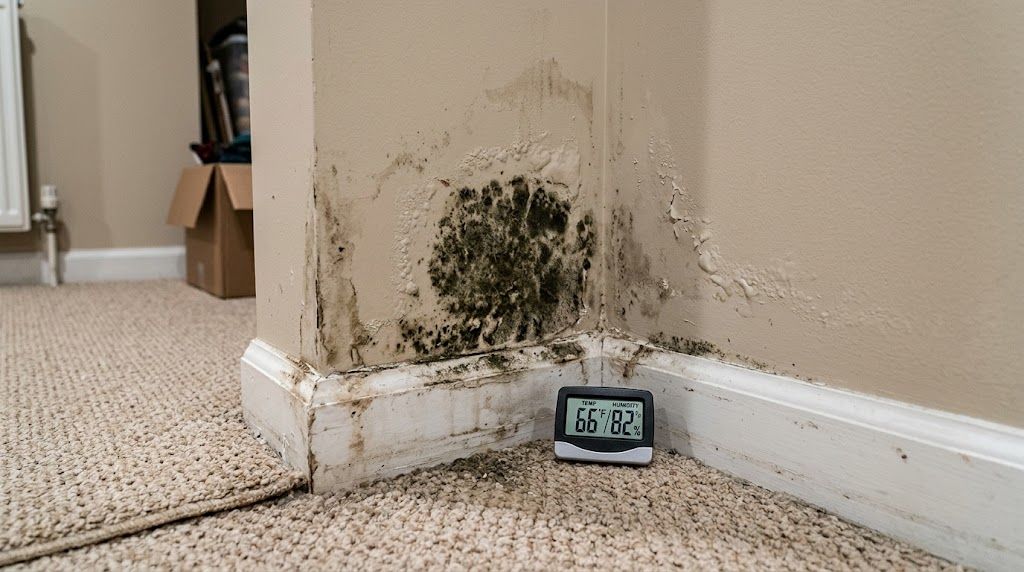
A musty smell in the house, floors that feel cold or soft, sweating ductwork, insects coming up from below, or mold on the floor joists all point to a damp crawl space. We covered several of these in why your house smells damp even without rain, why bugs are coming from your crawl space and why your floors are cold even with the heat on.
Get a Crawl Space Inspection
CGS Waterproofing & Foundations handles crawl space encapsulation and waterproofing, the drainage that has to come first, and mold remediation when the framing is already affected. We work across metro Atlanta, including Atlanta, Marietta, Alpharetta, Norcross and Athens. Full service area here.
Schedule a free inspection and we will check for water, look at the framing, and tell you what a code-compliant crawl space encapsulation would take in your home.