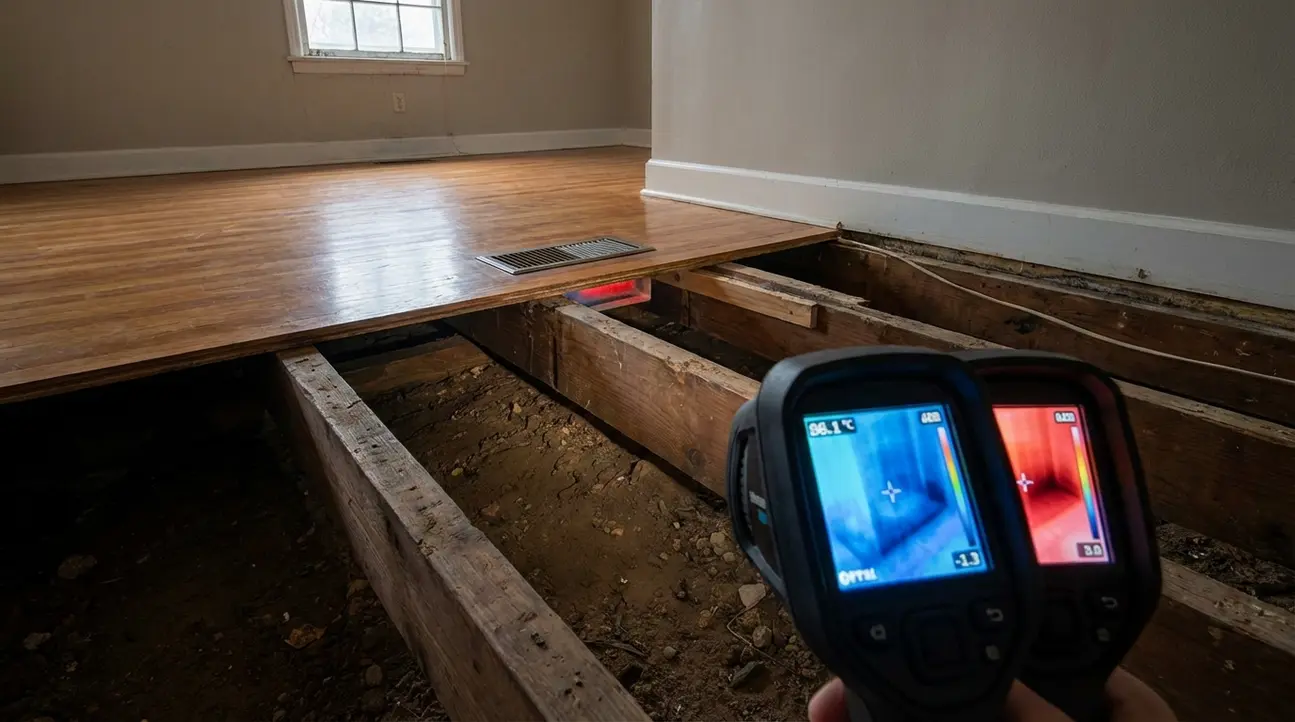
Feeling a persistent chill through your floors, even when the thermostat is cranked up, is more than just uncomfortable; it’s a nagging sign that something isn’t right beneath your home. This common problem can leave you questioning your insulation and heating system.
In Georgia, the unique climate—with humid summers and heavy spring rains—can significantly impact your crawl space, contributing to this issue. This article will reveal why your floors stay cold and what steps you can take to reclaim your home’s comfort.
Understanding Cold Floors: More Than Just a Draft
Stepping onto a frigid floor in your home, even when the thermostat is set high, can be a truly puzzling experience. That unwelcome chill isn’t just a minor discomfort; it’s often a clear signal that something isn’t right beneath your feet. It points to underlying issues within your home’s structure.
Many homeowners mistakenly attribute cold floors to simple drafts or older windows. However, the most significant culprit in homes across Georgia, especially in the Atlanta metro area, often lies directly beneath your main living space. Your crawl space plays a surprisingly critical role in your home’s overall temperature and comfort. A cold floor is your home’s way of telling you to look deeper.
Why Georgia’s Climate Impacts Your Crawl Space
Georgia’s unique climate creates specific challenges for crawl spaces. Our summers are notoriously humid, and we experience frequent heavy rains. This moisture, combined with our prevalent red clay soil, significantly impacts crawl space conditions. High humidity levels can easily permeate unsealed crawl spaces.
The constant cycle of temperature fluctuations further exacerbates these problems. Warm, moist air can condense on cooler surfaces, leading to standing water or dampness. These conditions are prime for mold growth and greatly contribute to cold floors upstairs. Homes in counties like Gwinnett, Fulton, and DeKalb are particularly susceptible to these climate-related issues. The damp environment beneath your home directly affects the temperature of your floorboards above.
Common Crawl Space Problems Causing Cold Floors
Your floors may feel cold even with the heat on due to common crawl space issues. These often include poor or damaged insulation, unsealed air leaks, and excessive moisture. A damp, unconditioned crawl space allows cold air to rise through your floorboards, making your living areas uncomfortable and inefficient.
Several specific problems within your crawl space can directly lead to uncomfortably cold floors upstairs. Identifying these is the first step toward a warmer, more energy-efficient home.
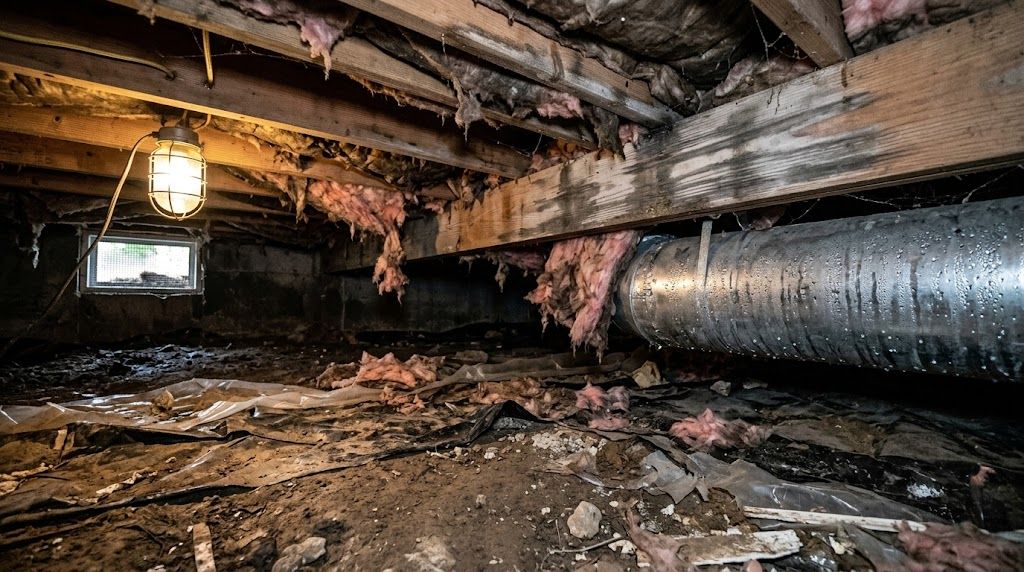
- Inadequate or Damaged Insulation: Over time, fiberglass insulation can sag, fall, or become waterlogged. When insulation isn’t properly installed or is compromised, it loses its ability to block cold air from penetrating your subfloor. This allows outside temperatures to directly influence your indoor floor temperature.
- Poor Ventilation or Open Vents: While ventilation is important, open crawl space vents can invite cold, damp air directly under your home, especially during winter months. This constant flow of unconditioned air makes your floors much colder. It works against your heating system.
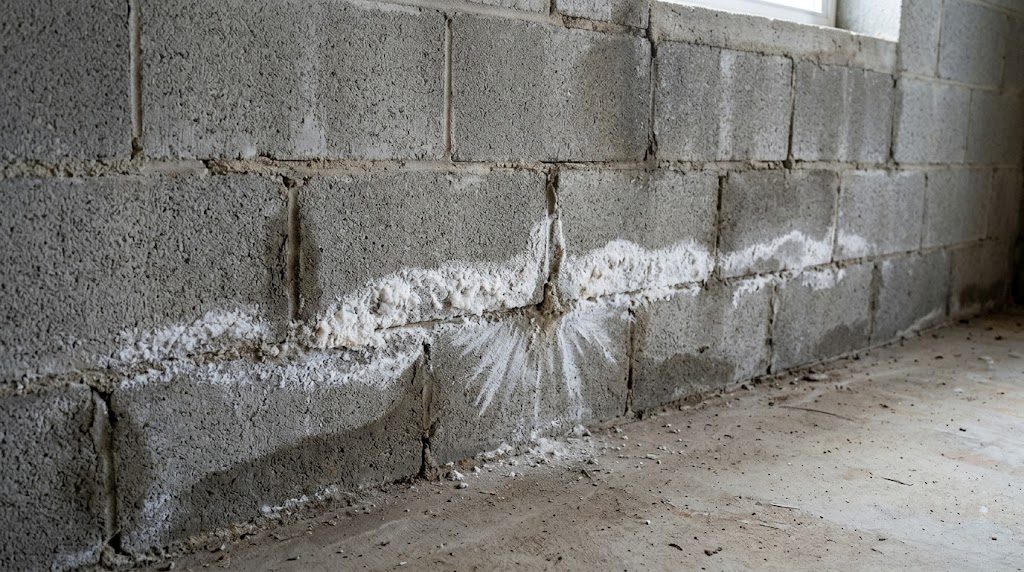
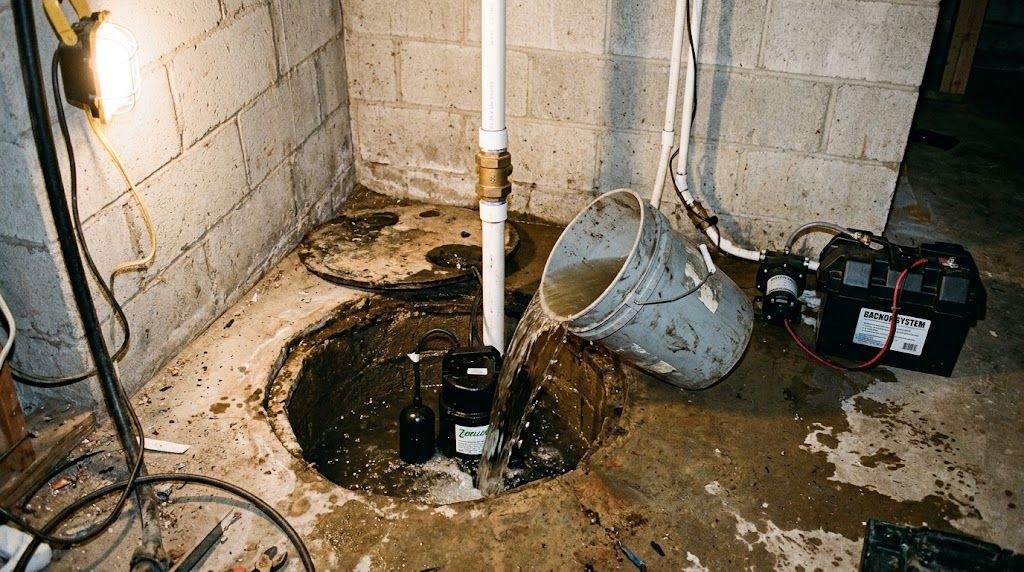
- Moisture Intrusion: Leaks from plumbing, groundwater seepage, or standing water create a consistently damp environment. Water conducts temperature much more effectively than air. A wet crawl space will feel significantly colder and transfer that chill upwards.
- Air Leaks and Gaps: Cracks in foundation walls, gaps around pipes, or unsealed seams allow cold air to infiltrate the crawl space directly from outside. This cold air then rises into your home through small openings and floorboards. It creates drafts and lowers floor temperatures.
- Pest Infestations: Rodents and insects can damage insulation, creating pathways for cold air. Their nests can also compromise the structural integrity of insulation, reducing its effectiveness. These unwelcome guests often make crawl space problems worse.
The Hidden Costs of Ignoring Cold Floors
Ignoring persistent cold floors is far more than just tolerating discomfort; it invites a cascade of expensive and unhealthy problems. These issues don’t resolve themselves; they tend to worsen significantly over time. The long-term costs far outweigh the immediate inconvenience.
One immediate consequence is higher energy bills. Your heating system has to work much harder and longer to compensate for the heat loss through cold floors. This increased workload translates directly into more money spent each month. Beyond energy consumption, moisture from a damp crawl space can lead to serious structural concerns.
Potential mold growth is a major health hazard, compromising indoor air quality and triggering allergies or respiratory issues. This dampness also promotes wood rot, weakening floor joists and subflooring over time. Such structural damage can be incredibly expensive and complex to repair. Furthermore, a welcoming, damp crawl space often attracts pest issues, including rodents and insects, which can then migrate into your living areas. Addressing these problems later will always cost more than proactive solutions.
Warning Signs Beyond Just Chilly Toes
While cold floors are the most direct indicator, your home often provides other clues that point to underlying crawl space problems. Being vigilant for these additional warning signs can help you identify issues before they escalate. Think of it as a helpful checklist for your home’s health.
Look for any of these indicators in your Norcross home or throughout the Atlanta metro area:
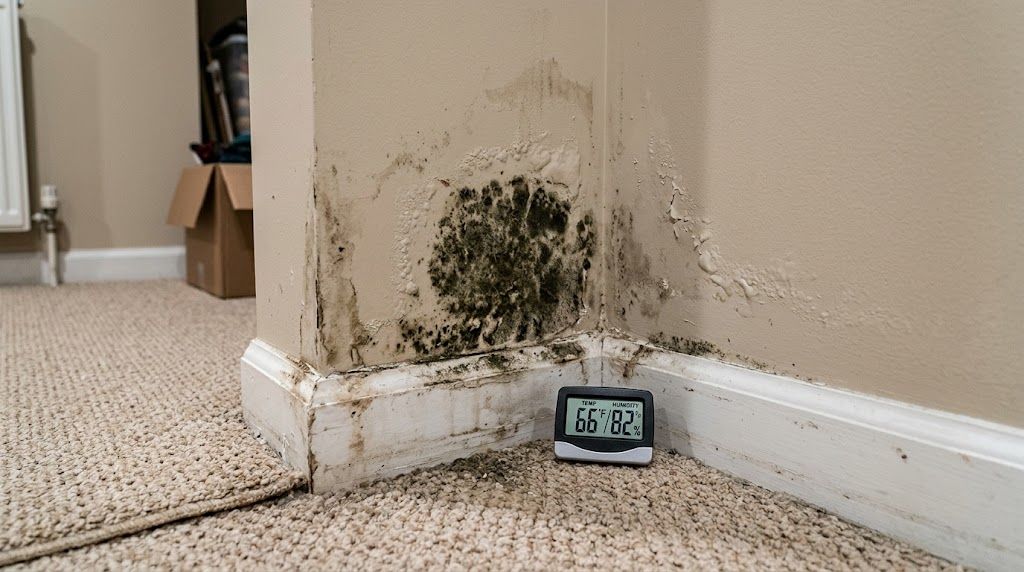
- Musty Odors: A persistent, earthy, or mildew smell indicates moisture and potential mold growth.
- Increased Allergies or Respiratory Issues: Poor indoor air quality from mold or mildew can exacerbate these conditions.
- Visible Mold: Check lower walls, baseboards, or stored items for any signs of mold growth.
- Pest Activity: Increased sightings of insects like roaches, spiders, or rodents are a strong signal of a compromised crawl space.
- Sagging Floors: This can indicate moisture-related wood rot or structural weakness.
- Condensation on Pipes: Visible water droplets on plumbing in the crawl space or basement point to high humidity levels.
- Warped Hardwood Floors: Excessive humidity can cause wood floors to buckle or cup.
Solutions: How to Address Crawl Space Issues
The good news is that cold floors caused by crawl space problems are fixable. Addressing these issues not only makes your home more comfortable but also protects its value and improves your family’s health. The first and most crucial step is always a professional inspection. This allows experts to accurately diagnose the specific problems in your unique Georgia home.
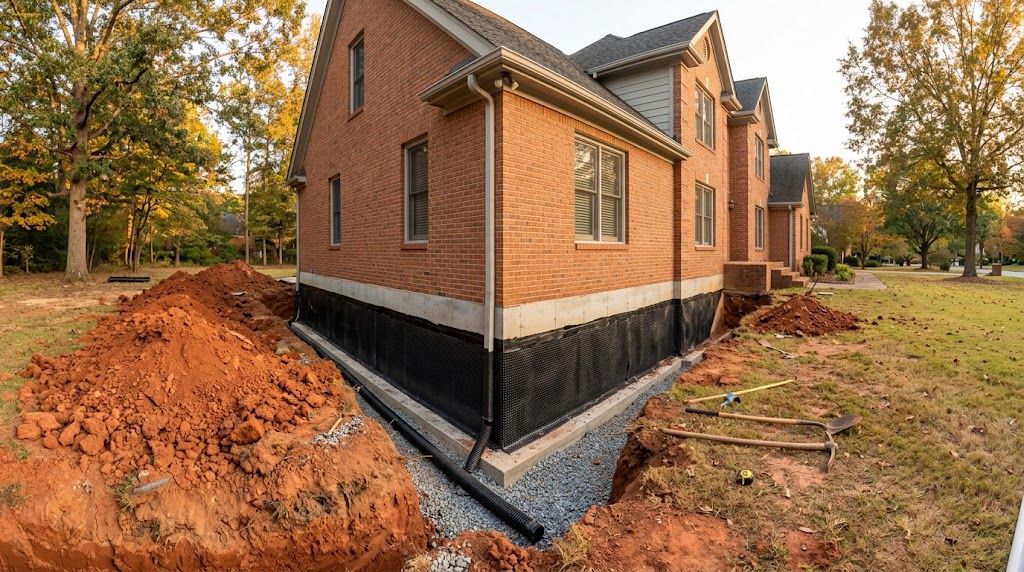
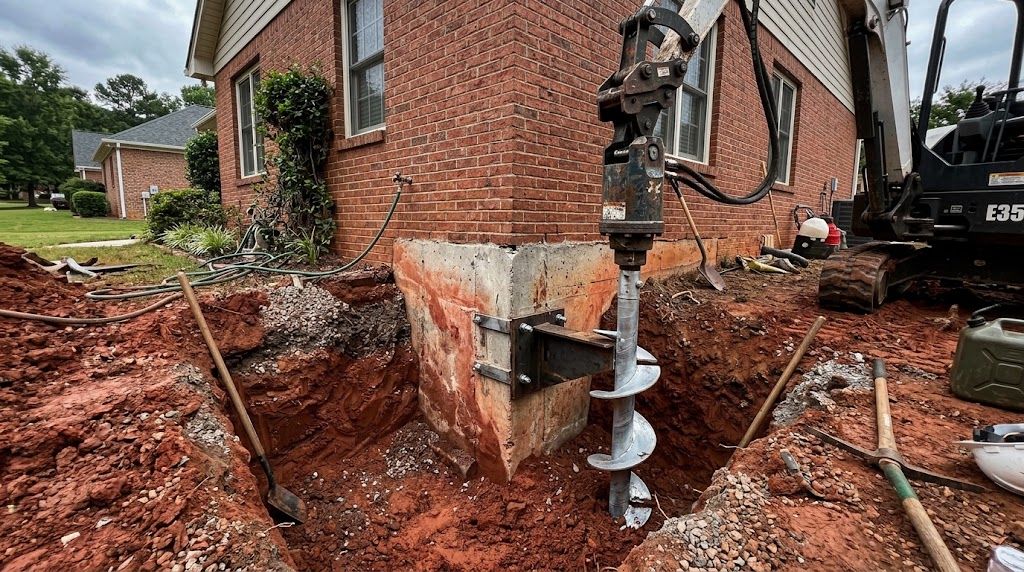
There are several effective solutions available. Crawl space encapsulation creates a sealed, conditioned environment that prevents moisture intrusion and stops cold air from entering. This involves installing heavy-duty vapor barriers on the floor and walls. Insulation upgrades replace old, damaged, or insufficient insulation with high-performance materials. Proper vapor barriers directly on the ground effectively block ground moisture from evaporating into the crawl space. Drainage solutions can manage exterior water flow, preventing it from reaching your foundation. Finally, sealing air leaks closes off entry points for outside air. CGS Waterproofing & Foundations are experts in these solutions, serving homeowners across Gwinnett, Fulton, and surrounding counties, and can provide a tailored plan for your home.
Conclusion:
Ignoring the signs of cold floors or a compromised crawl space can lead to significantly larger and more expensive problems down the road. Addressing these issues early not only saves you money on energy bills but also protects the long-term health and structural integrity of your home.
If you’re experiencing cold floors or suspect a crawl space problem, don’t wait. CGS Waterproofing & Foundations offers expert inspections and tailored solutions to restore your home’s comfort and safety. Most inspections take under an hour — and the peace of mind is worth it.
CGS Waterproofing & Foundations — Proudly Serving the Greater Atlanta Metro Area Based in Norcross, GA, CGS Waterproofing & Foundations provides expert waterproofing, foundation repair, crawlspace encapsulation, concrete work, and drainage solutions across the following areas: Gwinnett County · Fulton County · DeKalb County · Forsyth County · Henry County · Douglas County · Rockdale County · Newton County · Jackson County · Clarke County · Oconee County · Dawson County
FAQ – Frequently Asked Questions
Below are some common questions homeowners ask about cold floors and crawl space issues in their Georgia homes.
Why are my floors cold even when the heat is on?
Cold floors, despite having the heat on, often indicate an issue with your crawl space. This could be due to inadequate insulation, open vents allowing cold air in, moisture problems, or air leaks from the crawl space into your living areas. Addressing these underlying issues is crucial for consistent indoor temperatures.
How does Georgia’s climate affect my crawl space?
Georgia’s humid climate, especially during summers and with heavy spring rains, can introduce significant moisture into unsealed crawl spaces. This moisture can lead to mold growth, wood rot, and decrease the effectiveness of insulation, contributing to colder floors and higher energy bills. Proper encapsulation helps mitigate these effects.
What are the main signs of a problematic crawl space?
Beyond cold floors, look for musty odors, increased humidity inside your home, visible mold or mildew, pest infestations, sagging floors, or higher than usual energy bills. These are all indicators that your crawl space may need professional attention to prevent further damage and discomfort.
Can a cold crawl space really increase my energy bills?
Absolutely. A cold, uninsulated, or poorly ventilated crawl space acts as a significant heat sink, pulling warmth directly from your conditioned living space above. Your heating system has to work much harder to compensate, leading directly to inflated energy consumption and higher utility costs.
What solutions does CGS Waterproofing offer for cold floors from crawl space issues?
CGS Waterproofing & Foundations provides comprehensive solutions including crawl space encapsulation, insulation upgrades, vapor barrier installation, and drainage improvements. These services are designed to seal off your crawl space from external elements, control moisture, and properly insulate, ensuring warmer floors and a more energy-efficient home.