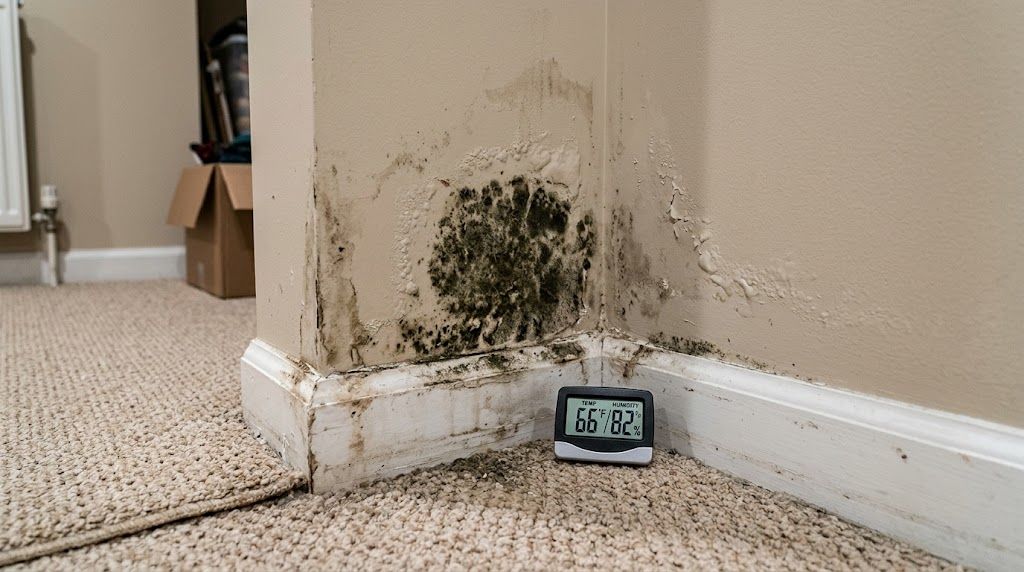
Mold in Your Georgia Basement? What the EPA Says to Do (and Not Pay For)
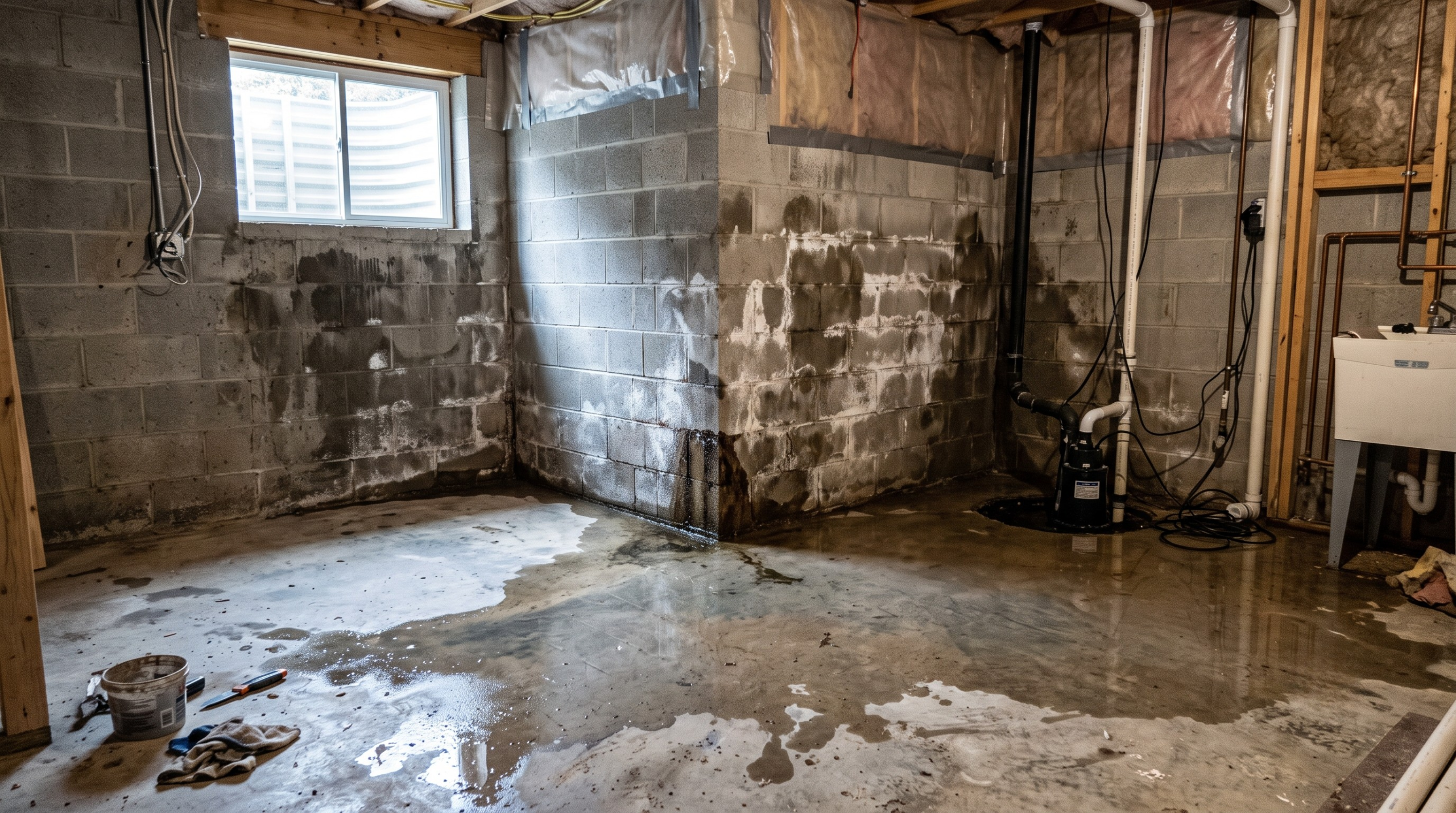
The EPA says testing visible mold is usually unnecessary, gives a 10 square foot rule, and puts moisture control first. What that means for a Georgia basement or crawl space.
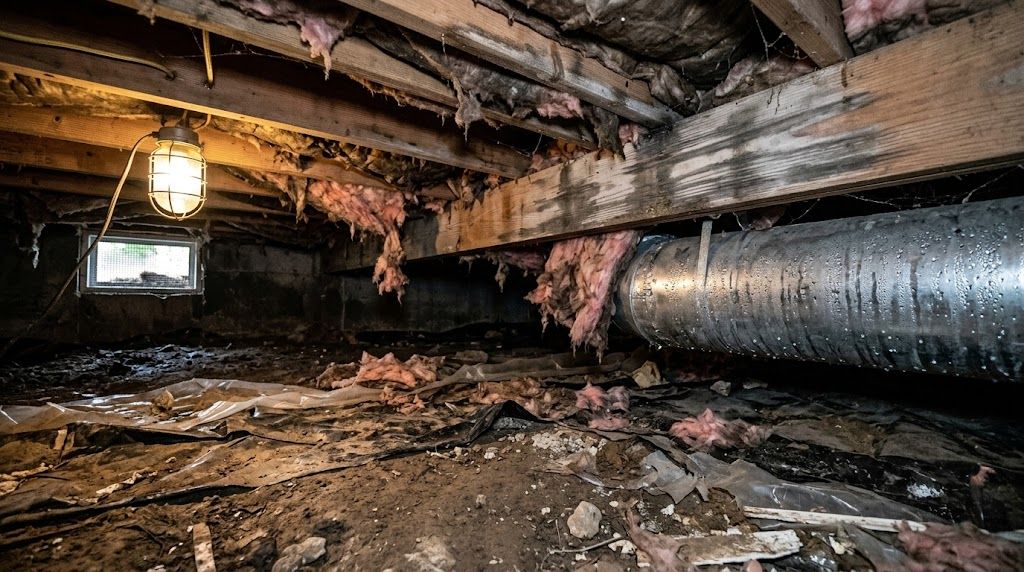
The EPA says testing visible mold is usually unnecessary, gives a 10 square foot rule, and puts moisture control first. What that means for a Georgia basement or crawl space.
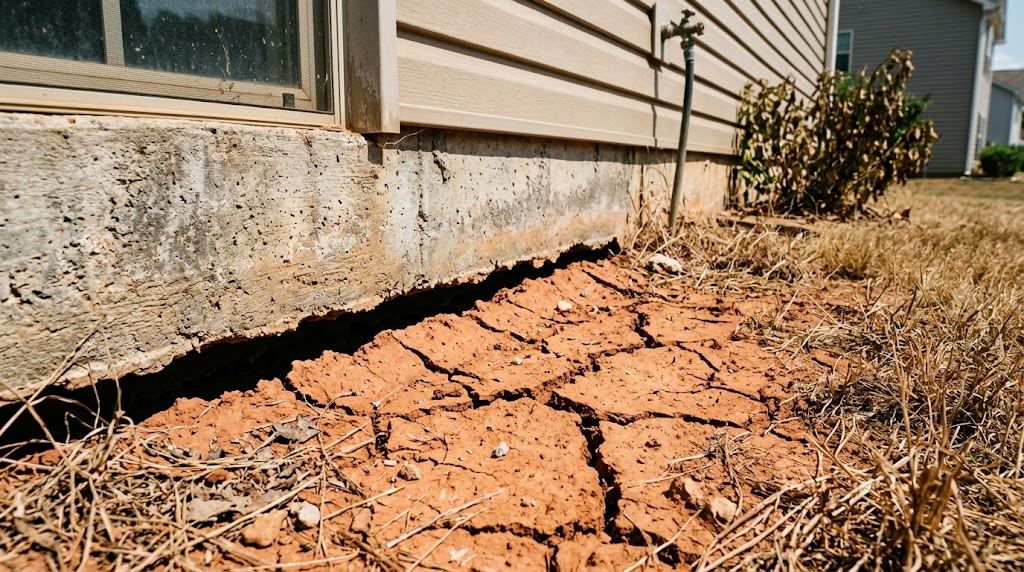
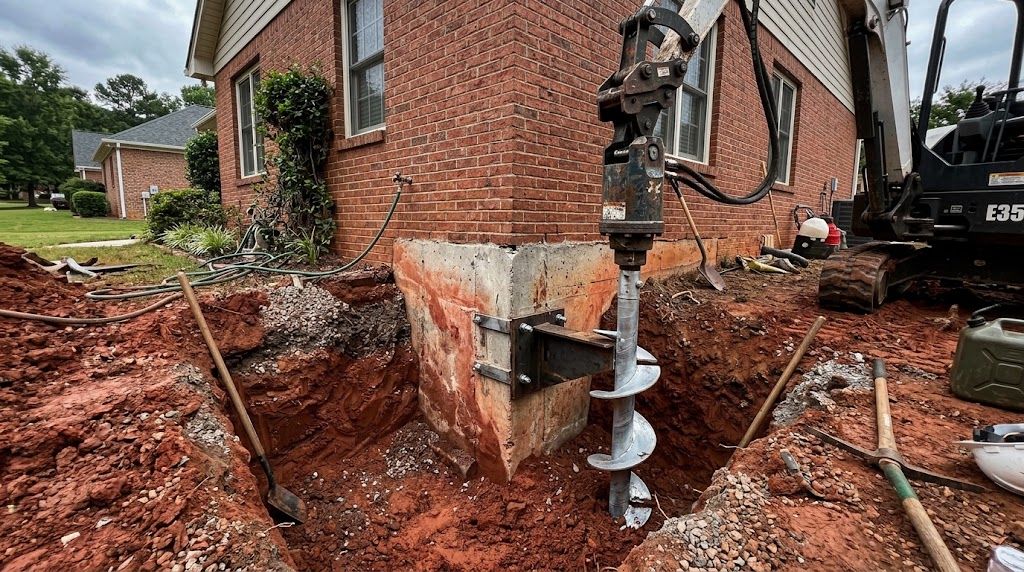
The USDA rates most metro Atlanta clay as low shrink-swell. What actually moves Georgia foundations, when piers are the right buy, and push vs. helical explained.

Opening crawl space vents in a humid Georgia summer does not dry the space out — it is the mechanism that soaks it. What the DOE field study found, and what the code allows instead.

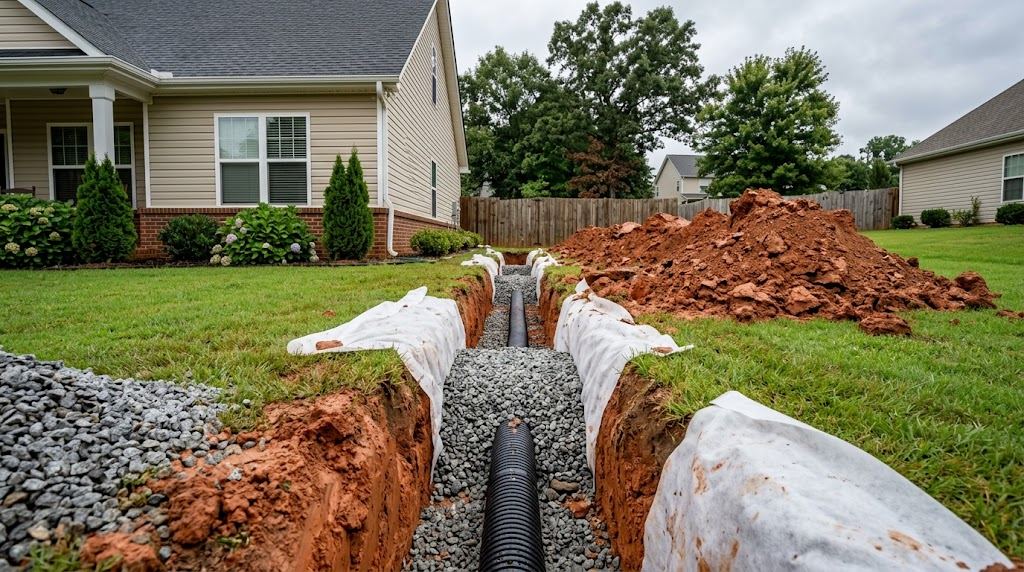
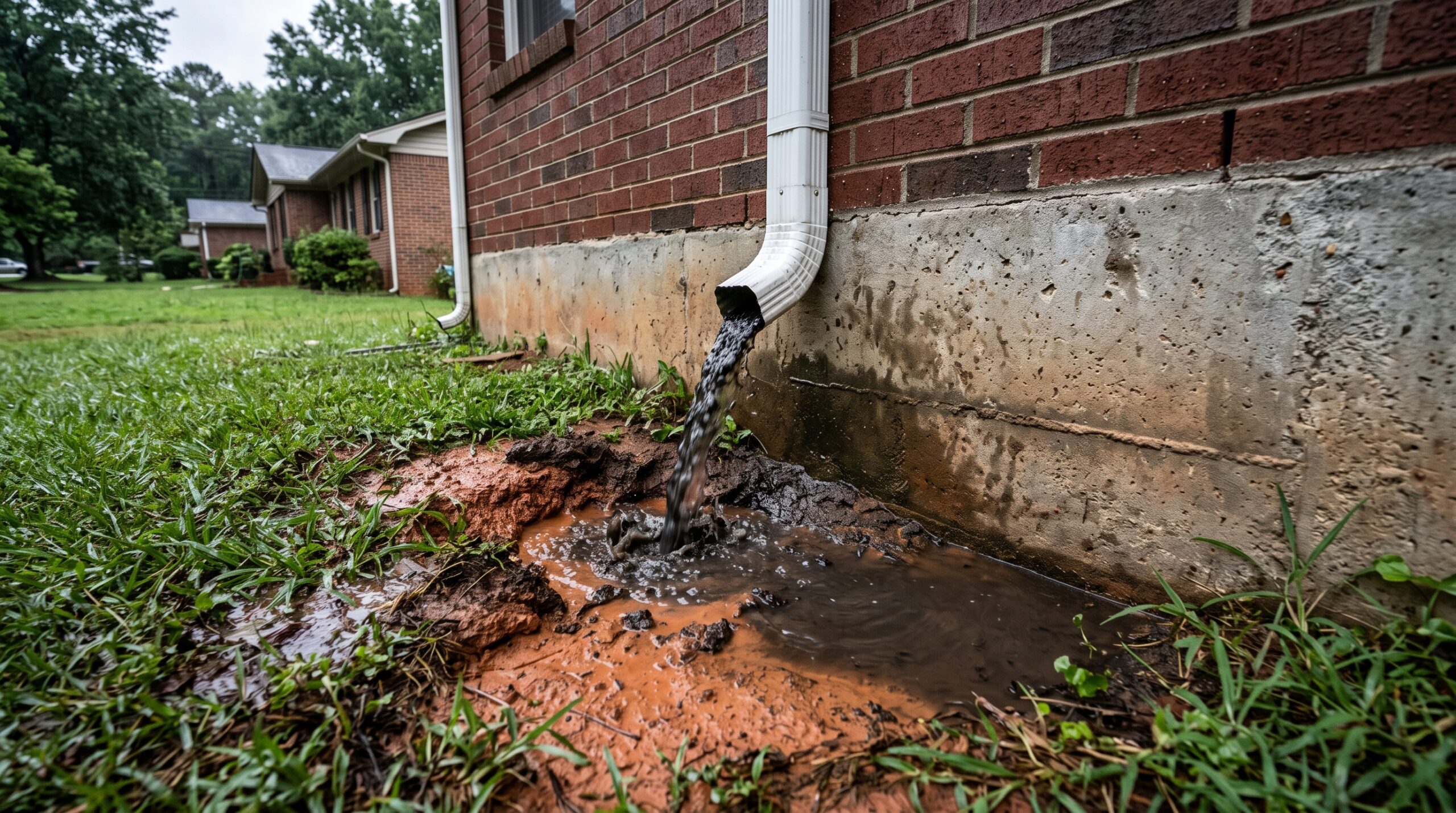
A 2,000 sq ft Atlanta roof sheds 1,246 gallons in a one-inch storm. Where that water lands decides whether your basement stays dry. How to size and check your system.

Three fixes, three different problems — and in Georgia clay one of them usually fails. How to choose, plus what state law says about sending water to your neighbor.

A record El Nino is suppressing hurricanes and pointing a wet winter at Georgia, onto soil that has been dry all year. What that means for your basement.

A standard Georgia homeowners policy covers a burst pipe, not groundwater seepage. Here is what is covered, what is excluded, and how to close the gap.

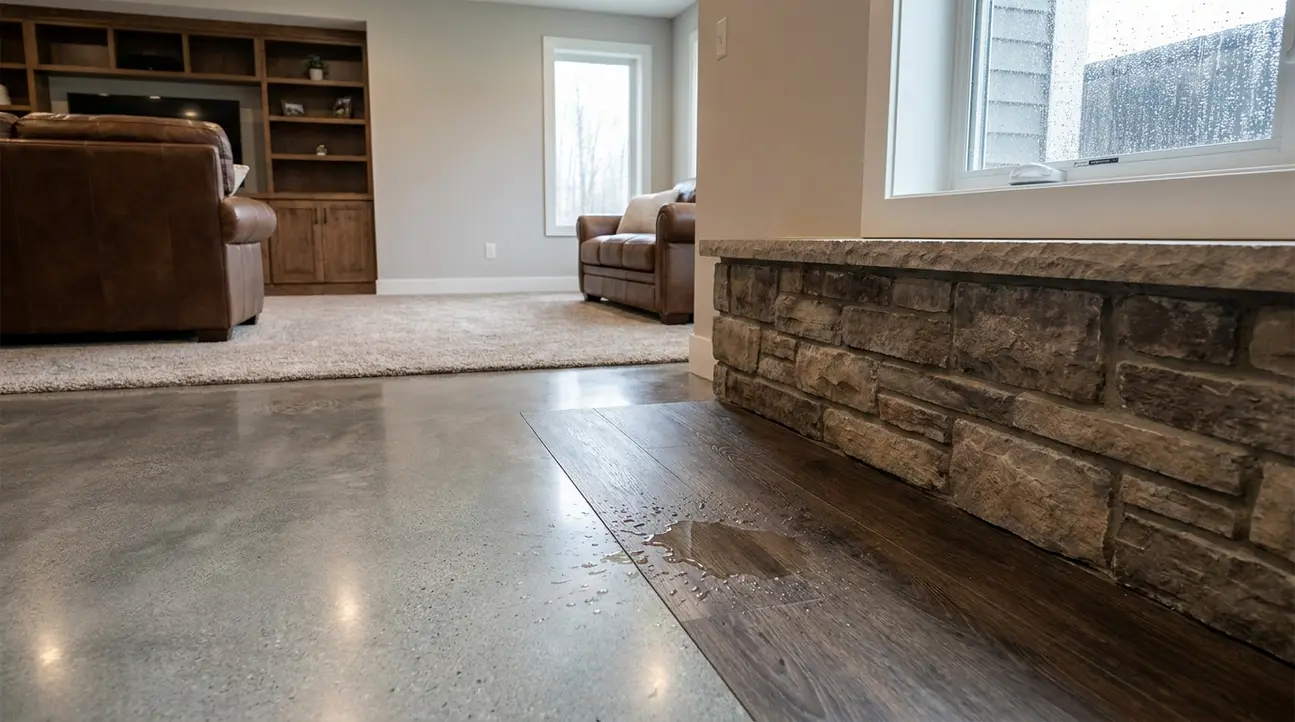
Waking up to puddles on your basement floor after a heavy rain can instantly turn a good day sour, leaving you wondering about your home’s

Discovering any sign of foundation trouble can be deeply unsettling, leaving homeowners with a knot in their stomach and immediate concerns about their biggest investment.In