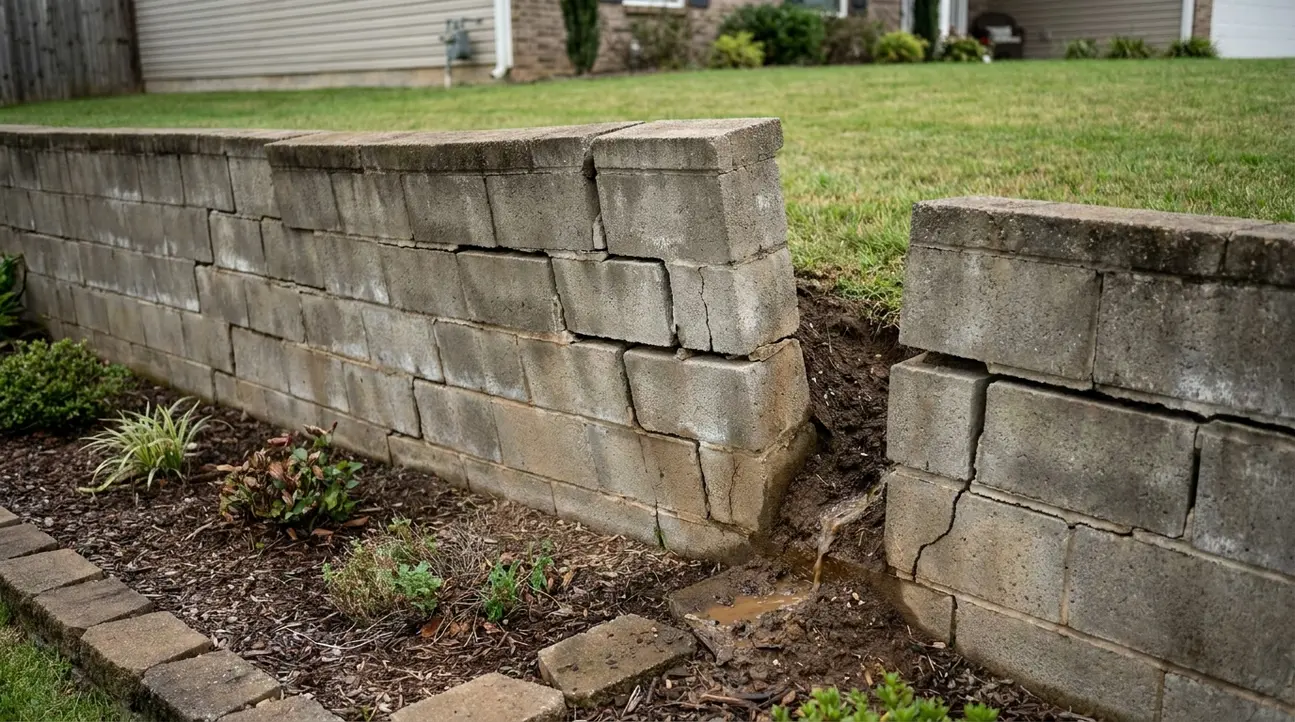
Discovering your retaining wall is leaning or cracking can be an immediate cause for concern, raising questions about safety and property value. In Georgia, factors like expansive red clay soil and heavy seasonal rains often contribute to these issues. This article will explain why your retaining wall might be failing and what steps you can take.
What is a Retaining Wall & Its Purpose?
Retaining walls serve a crucial role in landscaping and construction, especially on properties with varying elevations. Their fundamental purpose is to manage soil and prevent erosion, effectively holding back soil that would otherwise slide downhill. These sturdy structures create level areas on sloped terrain, making outdoor spaces more usable and safe. They are absolutely vital in regions like Georgia, where diverse topography and heavy rainfall can lead to significant soil movement.
Without a properly functioning retaining wall, homes and businesses on hillsides would face constant challenges from soil instability. These walls help protect foundations, create garden terraces, and support driveways. In communities across the Atlanta metro area, from Norcross to Sandy Springs, retaining walls are a common and necessary feature. They are designed to withstand significant pressure, maintaining the integrity of your property’s landscape.
Why Your Retaining Wall Might Be Leaning or Cracking
A leaning or cracking retaining wall is a serious concern for any property owner. These visual cues almost always indicate an underlying structural issue that needs immediate attention. Understanding the root causes is the first step toward effective repair. Ignoring these signs can lead to more extensive damage and costly fixes down the road.
Your retaining wall might be leaning or cracking due to several common issues. These include hydrostatic pressure from poor drainage, the expansive nature of Georgia’s red clay soil, and improper installation techniques. External pressures, like nearby heavy structures, can also contribute to wall failure, leading to visible damage.
Expansive Red Clay Soil
Georgia’s distinctive red clay soil is a major factor in retaining wall problems. This type of soil is highly expansive, meaning it significantly increases in volume when wet and shrinks when it dries out. The constant cycle of expansion and contraction exerts immense, cyclical pressure on retaining walls. Over time, this relentless force can push walls outward, causing them to lean or crack, particularly in areas like Fulton and DeKalb counties.
Poor Drainage
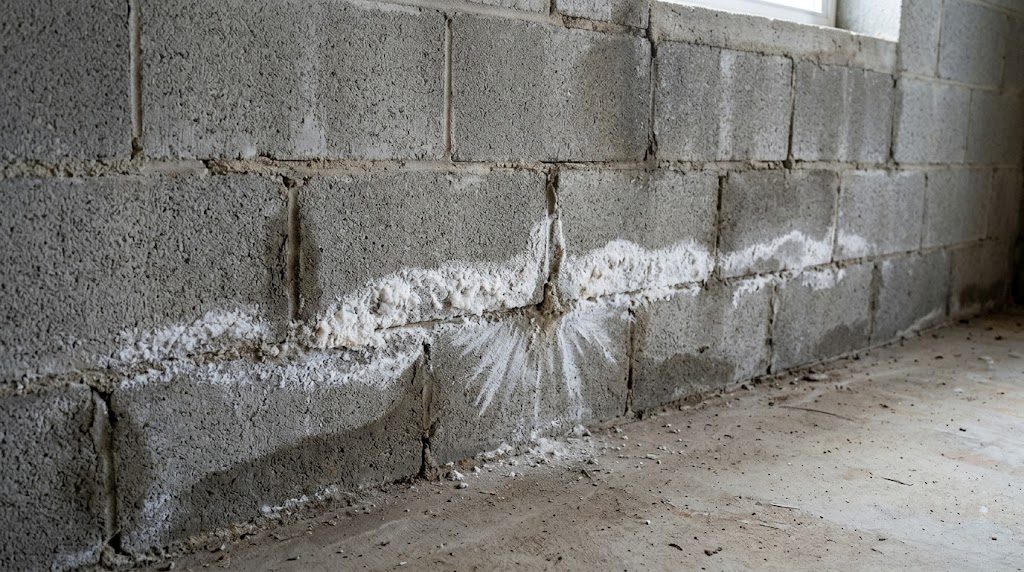
Inadequate drainage behind a retaining wall is a leading cause of failure. When heavy rains, common in the Greater Atlanta area, saturate the soil behind the wall, water cannot escape efficiently. This leads to a buildup of hydrostatic pressure, which is the force exerted by standing water. This immense pressure pushes against the wall from behind, often causing it to bulge, lean, or even collapse.
Improper Installation/Design
Many retaining wall failures stem from improper installation or design. A wall built without sufficient footings, meaning the base isn’t deep or wide enough, lacks the necessary stability. Other issues include the absence of proper reinforcement like rebar or tie-backs, or incorrect backfilling techniques where unsuitable materials are used. These foundational errors compromise the wall’s ability to withstand soil pressures from day one.
Freeze-Thaw Cycles
While Georgia experiences milder winters compared to northern states, occasional freeze-thaw cycles still occur. When water absorbed by the soil or within the wall materials freezes, it expands. As it thaws, it contracts, creating movement and stress within the wall. Over several seasons, this repetitive action can weaken mortar, create cracks, and contribute to structural instability.
External Pressures
Retaining walls are designed to hold back soil, but they have limits to the external loads they can support. Heavy structures, such as patios, decks, or even driveways built too close to the wall, can add excessive external pressure. Similarly, parking heavy vehicles near the wall’s edge can exert forces it was not designed to handle. These added loads can accelerate leaning, cracking, and eventual failure.
Key Warning Signs: Is Your Retaining Wall Failing?
Early detection of retaining wall problems can save you significant time and money. Homeowners and commercial property owners should regularly inspect their walls for any changes. Being proactive about these warning signs is crucial for preventing more serious damage. Look closely for these specific indicators of a failing retaining wall:
- Leaning or bulging sections: The wall no longer stands perfectly plumb, or parts of it appear to be pushing outward.
- Visible cracks: Pay close attention to horizontal, vertical, or “stair-step” cracks running through the blocks or mortar.
- Crumbling mortar or decaying materials: Mortar joints may start to disintegrate, or timber walls may show signs of rot.
- Shifting blocks or stones: Individual blocks or stones appear to have moved out of alignment from the rest of the wall.
- Water seepage: Persistent water flowing through or pooling at the base of the wall, especially after rain.
- Soil erosion at the base: Noticeable gaps or channels forming where the wall meets the ground, indicating soil loss.
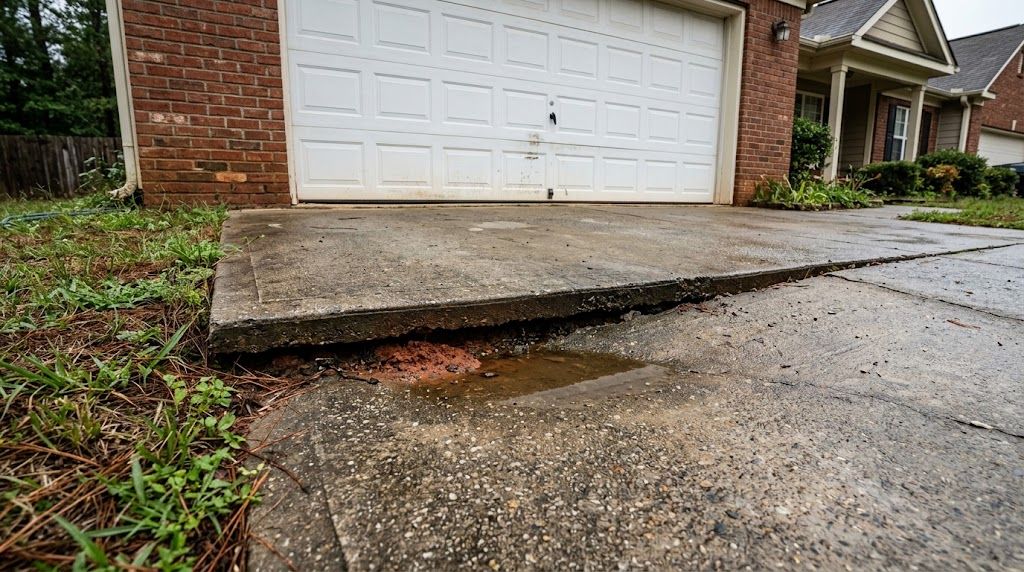
- Nearby structures showing signs of stress: Foundations, patios, or pathways adjacent to the wall developing new cracks or settlement.
The Dangers and Costs of Ignoring a Failing Wall
Ignoring the warning signs of a failing retaining wall carries significant risks and can lead to far greater expenses. The most immediate danger is structural failure, where the wall could collapse suddenly. This not only causes extensive property damage but also creates severe safety hazards for people and pets. A collapsed wall could harm children playing nearby or damage vehicles.
Beyond immediate safety concerns, a failing wall can lead to costly property damage. This includes damage to nearby foundations of homes or commercial buildings, especially in counties like Fulton or Gwinnett where properties are often built on slopes. Patios, driveways, and landscaping can also suffer significant harm as soil shifts. Ultimately, a visibly failing retaining wall will decrease your property’s value. Early intervention by CGS Waterproofing & Foundations prevents these severe and much more expensive repairs down the line.
Professional Solutions for Retaining Wall Repair
Addressing retaining wall failure requires professional expertise, as solutions depend heavily on the specific cause and severity of the damage. At CGS Waterproofing & Foundations, we understand that a one-size-fits-all approach doesn’t work. Our team in Norcross and across the Atlanta metro excels at diagnosing these complex issues. We provide tailored strategies to restore your wall’s integrity and protect your property.
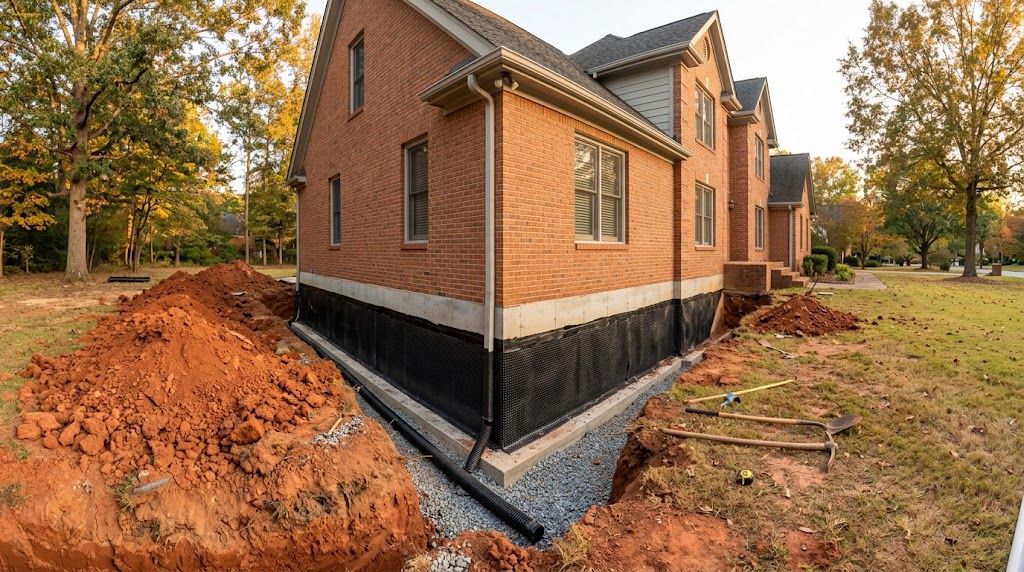
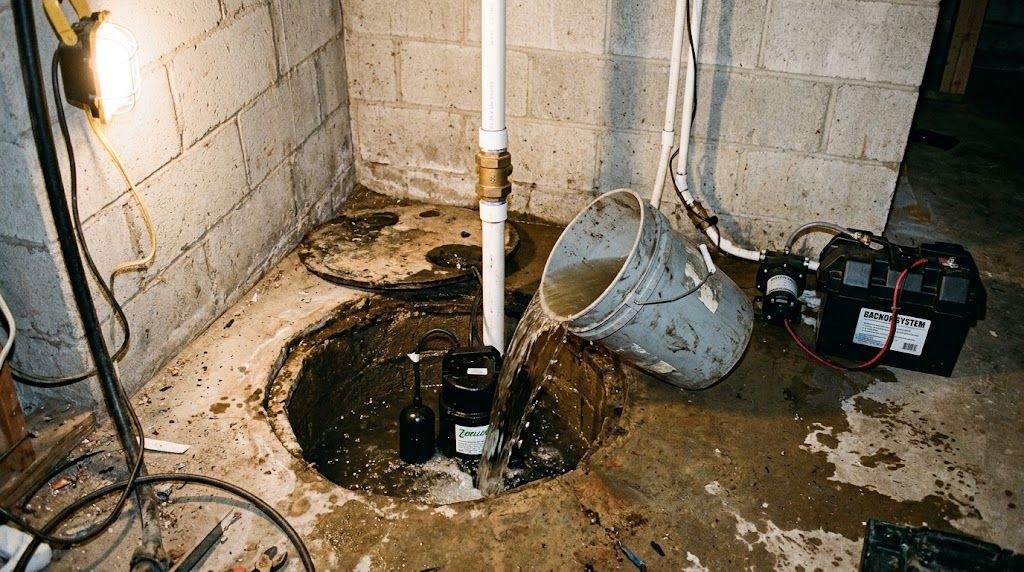
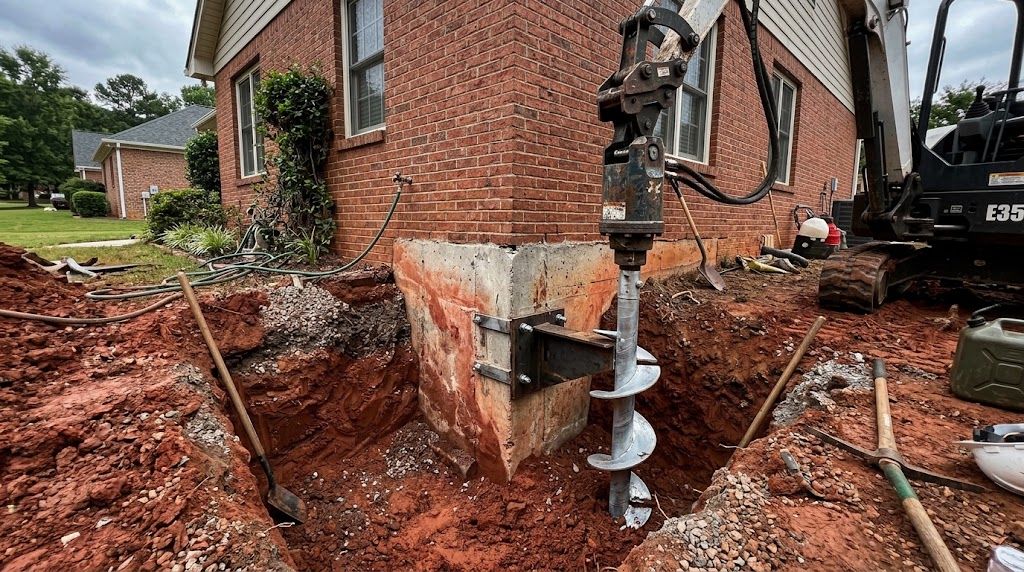
General solutions often include underpinning to strengthen the wall’s foundation, especially if footings are inadequate. We also focus on crucial drainage improvements to relieve hydrostatic pressure, which might involve installing French drains or weeping tiles. In some cases, reinforcement with helical piers or tie-backs may be necessary to stabilize a leaning wall. For severe damage, partial or complete rebuilding with proper engineering and materials is the safest and most lasting solution. CGS Waterproofing & Foundations is your expert partner, ensuring durable and effective repairs.
When to Call a Foundation & Waterproofing Expert
For any significant leaning, cracking, or other signs of retaining wall failure, it is crucial to call a professional. Homeowners and commercial property owners should never attempt DIY repairs for major structural issues, as this can be dangerous and often worsens the problem. Contacting a foundation and waterproofing expert like CGS Waterproofing & Foundations ensures a thorough and accurate inspection. Our experienced team can pinpoint the exact cause of your wall’s distress and recommend the most effective, lasting solutions.
We understand the unique challenges faced by properties throughout Georgia, including heavy rains and expansive soils. CGS Waterproofing & Foundations proudly serves the Greater Atlanta Metro Area, including Gwinnett, Fulton, DeKalb, Forsyth, Henry, Douglas, Rockdale, Newton, Jackson, Clarke, Oconee, and Dawson counties. Protect your investment and ensure your safety by calling us today for a comprehensive evaluation. Reach us at (404) 234-0248 or visit our contact page at cgswaterproofing.com/contact-us/.
Conclusion:
Addressing a leaning or cracking retaining wall early is crucial, as delayed action can lead to more extensive damage and significantly higher repair costs for your home or commercial property. Don’t let minor issues escalate into major problems. For expert assessment and reliable solutions, contact CGS Waterproofing & Foundations. Most inspections take under an hour — and the peace of mind is worth it.
CGS Waterproofing & Foundations — Proudly Serving the Greater Atlanta Metro Area Based in Norcross, GA, CGS Waterproofing & Foundations provides expert waterproofing, foundation repair, crawlspace encapsulation, concrete work, and drainage solutions across the following areas: Gwinnett County · Fulton County · DeKalb County · Forsyth County · Henry County · Douglas County · Rockdale County · Newton County · Jackson County · Clarke County · Oconee County · Dawson County
FAQ – Frequently Asked Questions
Here are some common questions homeowners and commercial property owners ask about failing retaining walls:
What causes retaining walls to lean or crack?
Several factors contribute to retaining wall failure, most notably poor drainage leading to hydrostatic pressure, expansive soil movement common in Georgia’s red clay, and improper construction or inadequate footings. Over time, these forces can overwhelm the wall’s structural integrity.
How serious is a leaning or cracking retaining wall?
A leaning or cracking retaining wall can indicate significant structural problems. If left unaddressed, it can lead to severe property damage, including foundation issues for nearby structures, soil erosion, and even collapse, posing safety risks to people and property.
Can I fix a leaning retaining wall myself?
For minor cosmetic issues, some DIY solutions might be possible, but for any significant leaning, bulging, or cracking, it’s highly recommended to consult a professional. These issues often stem from complex geotechnical problems that require expert assessment and specialized repair techniques to ensure long-term stability and safety.
What are the signs of a failing retaining wall?
Beyond visible leaning or cracking, look for signs like bulging sections, water seepage through the wall, crumbling mortar between blocks, shifting or displaced stones, or erosion at the base of the wall. These indicators suggest the wall is under stress and may be failing.
Who should I call for retaining wall repair in Georgia?
For retaining wall issues in the Greater Atlanta Metro Area, it’s best to contact a local foundation and waterproofing expert like CGS Waterproofing & Foundations. They specialize in diagnosing and repairing structural problems related to soil and water, offering comprehensive solutions to restore your wall’s integrity.