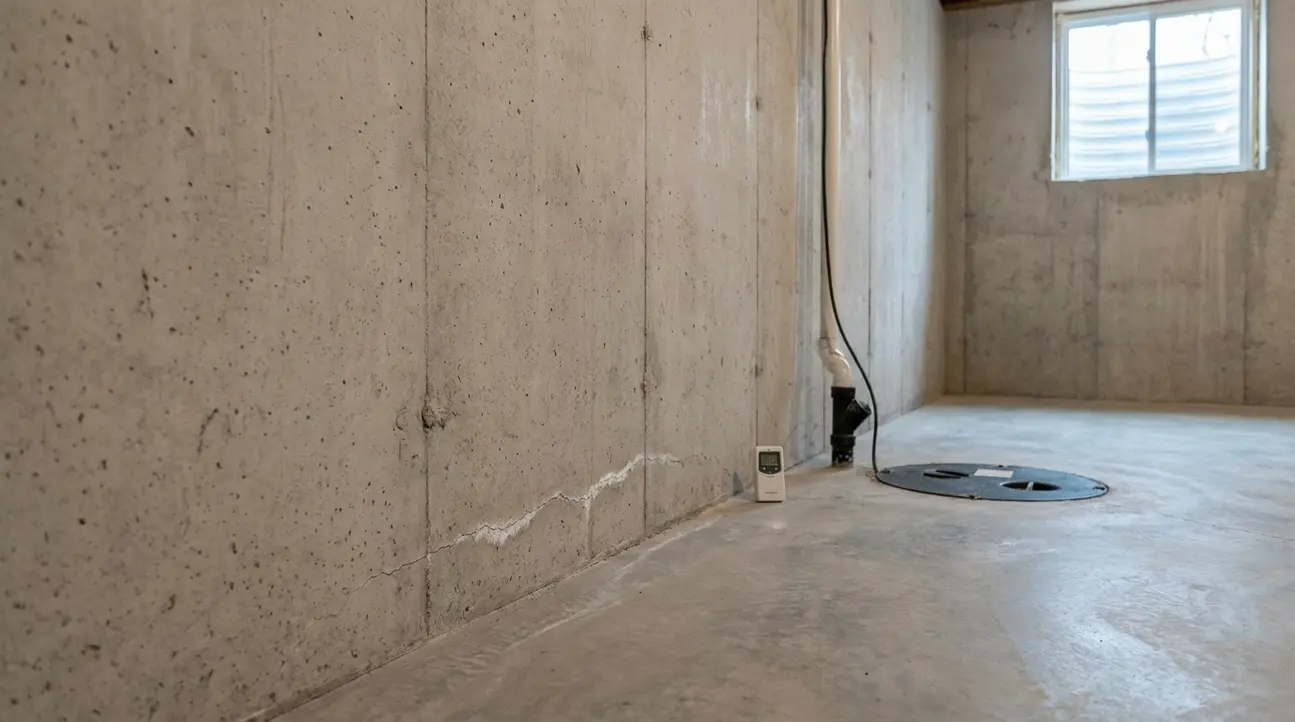
Discovering any sign of foundation trouble can be deeply unsettling, leaving homeowners with a knot in their stomach and immediate concerns about their biggest investment.
In Georgia, our unique red clay soil and frequent heavy rains amplify these concerns. This guide will walk you through the subtle and obvious indicators that water is damaging your foundation, helping you act before it’s too late.
What Exactly is Water Damaging Your Foundation?
Water is a powerful force that can subtly, yet severely, undermine your home’s foundation over time. It interacts with your foundation in several destructive ways, regardless of whether you have a slab, crawl space, or basement. Understanding these mechanics is crucial for protecting your most valuable asset.
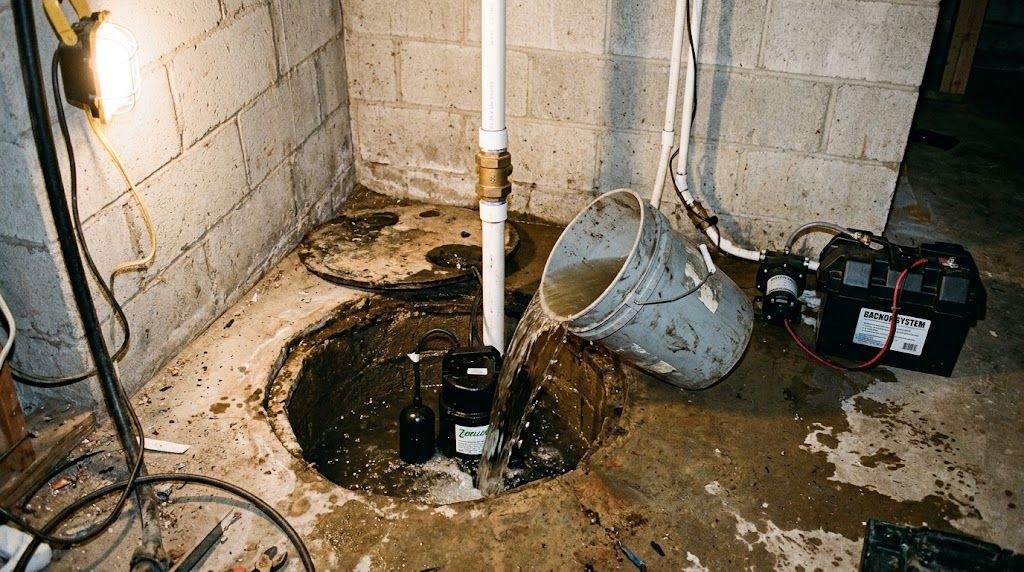
One primary culprit is hydrostatic pressure. This occurs when water saturates the soil around your foundation, creating immense pressure against basement or crawl space walls. This constant outward or inward push can cause walls to bow, crack, or even collapse.
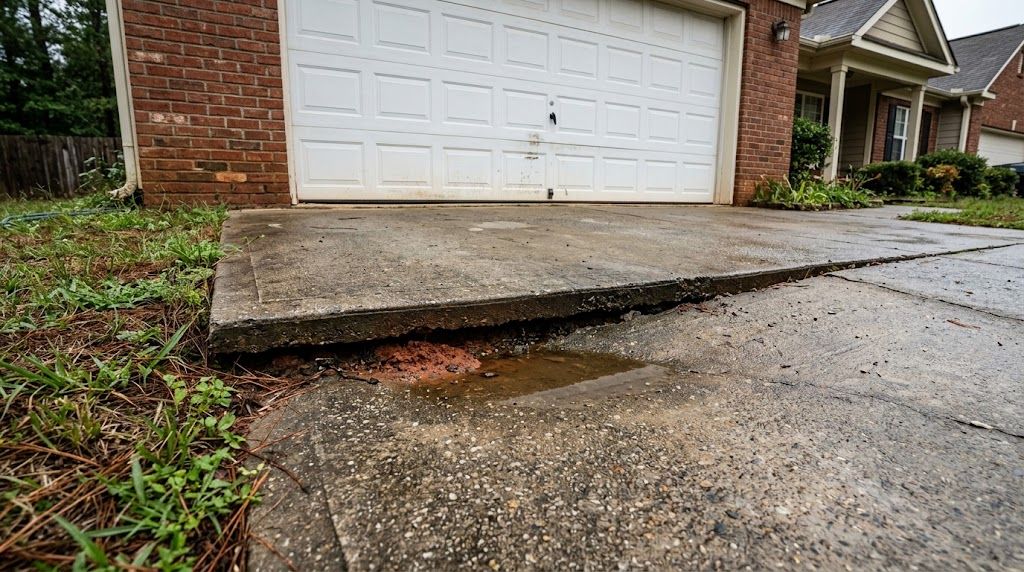
Soil expansion and contraction are also major issues. Georgia’s dense red clay soil is particularly susceptible to this. When it absorbs moisture, the clay expands, pushing against the foundation; as it dries, it shrinks, pulling away. This cyclical movement weakens concrete and introduces structural stress. Additionally, water can cause soil erosion beneath slab foundations, leading to uneven support and settling.
Why Georgia’s Environment Makes Foundations Vulnerable
Georgia’s unique environmental conditions create a perfect storm for foundation water damage. Our state is known for its heavy red clay soil, which dramatically expands when wet and contracts when dry. This constant shifting puts immense strain on foundations, especially during our frequent heavy rainfall, which often occurs during spring and summer downpours.
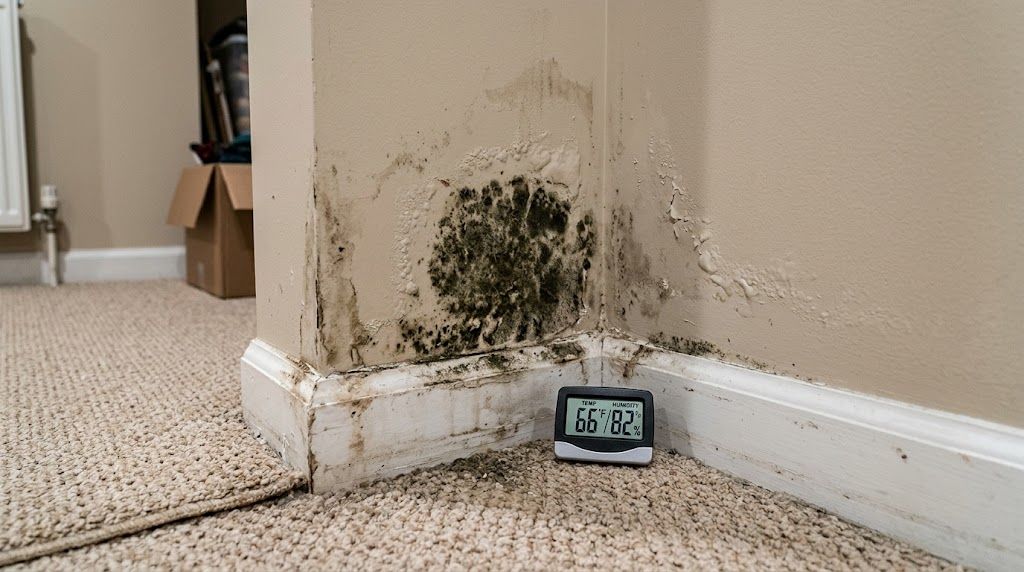
High humidity levels also contribute to moisture problems, leading to water intrusion and encouraging mold growth in damp areas. Many older homes in the Atlanta metro area, particularly in counties like Fulton and DeKalb, were built without modern drainage solutions. This poor drainage allows water to pool around foundations, accelerating damage. The combination of expansive soil, torrential rain, and aging infrastructure makes Georgia foundations particularly susceptible to long-term water issues.
Visible Warning Signs on Your Foundation & Walls
To identify water damage to your foundation over time, watch for several key indicators. Common signs include cracks in foundation walls (horizontal, vertical, stair-step), bowing basement walls, or efflorescence. Inside, notice sticky doors/windows, uneven floors, cracks in drywall, or persistent musty odors signalling mold.
Recognizing the early signs of water damage can save you from costly repairs down the road. These warning signals appear both on the exterior and interior of your home. It’s important to inspect your property regularly for these indicators.
Exterior Warning Signs:
- Cracks in the Foundation: Look for horizontal, vertical, or stair-step cracks in the concrete or brick foundation walls. Horizontal cracks often indicate hydrostatic pressure.
- Bowing or Leaning Walls: Foundation walls, particularly in basements or crawl spaces, may start to bow inward or lean. This is a direct result of external pressure.
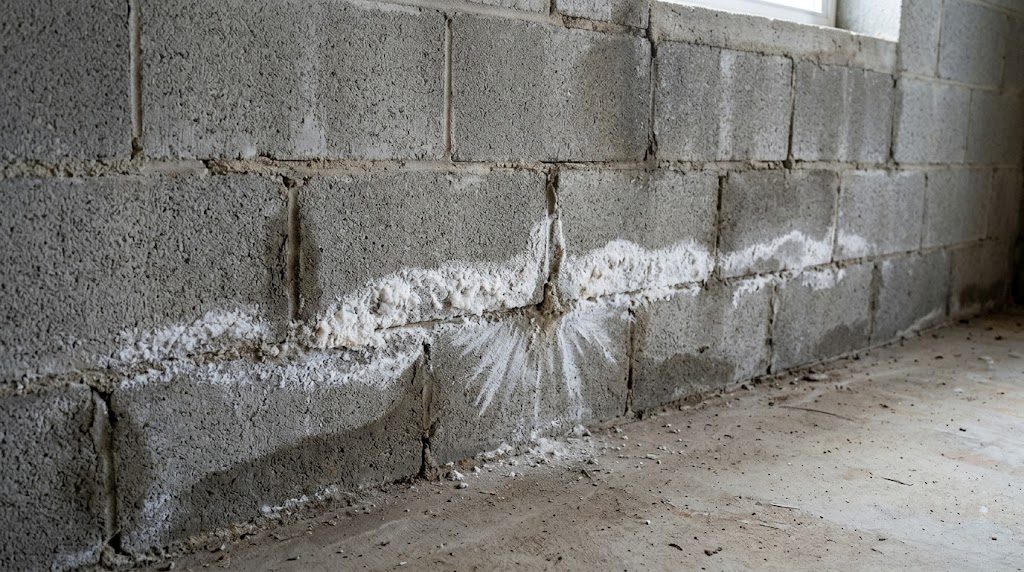
- Efflorescence: White, powdery mineral deposits on masonry surfaces are a clear sign of moisture penetrating the concrete. This happens as water evaporates, leaving minerals behind.
- Spalling Concrete: Flaking, pitting, or crumbling concrete can indicate moisture saturation and freeze-thaw cycles. This weakens the structural integrity of your foundation.
- Leaning Chimneys: A chimney separating from your home or visibly leaning often points to foundation settlement beneath it.
Interior Warning Signs (Basements/Crawl Spaces):
- Basement Wall Cracks: Similar to exterior cracks, these can signal ongoing foundation movement or water intrusion. They might be damp to the touch.
- Bulging Walls: Walls that appear to be pushing inward are a serious indication of hydrostatic pressure. Immediate action is often required.
- Water Stains: Persistent damp spots or water stains on walls, floors, or ceilings are unmistakable signs of leaks. They may follow rainfall patterns.
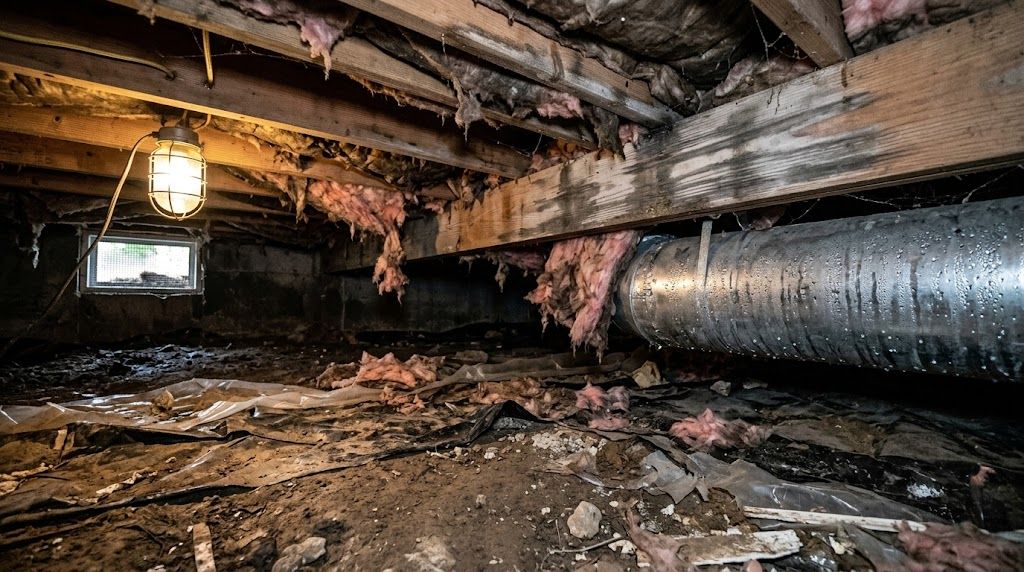
- Mold and Mildew: A musty odor and visible mold growth in basements or crawl spaces indicate high humidity and water presence. Mold thrives in damp, dark environments.
Interior Clues You Might Overlook in Your Home
Beyond the foundation itself, water damage can manifest through subtle interior clues that are easy to miss. These signs often point to underlying foundation movement caused by persistent moisture issues. Pay close attention to how your home’s structure is behaving.
Sticking doors and windows are common indicators. When your foundation shifts, door frames and window sills become misaligned, making them difficult to open or close smoothly. You might also notice uneven floors, where certain areas feel noticeably sloped or spongy underfoot. This happens when foundation elements settle differently due to eroded soil or water damage.
Cracks in drywall, especially around door and window frames, are another tell-tale sign. These hairline fractures can widen over time, indicating significant stress on the home’s structure. Similarly, gaps between walls and ceilings or floors suggest that the house is shifting and settling. These interior symptoms are crucial clues that the foundation, weakened by water, is undergoing movement.
The Escalating Cost of Ignoring Water Damage
Ignoring water damage to your foundation is a costly gamble that almost always leads to greater financial burdens. What starts as a minor crack can quickly escalate into major structural issues. Early intervention is significantly less expensive than addressing widespread damage.
Minor problems, like small wall cracks or dampness, can evolve into severe structural instability, requiring extensive and expensive foundation repair. Property value can plummet dramatically if structural integrity is compromised. Additionally, untreated moisture often leads to pervasive mold and mildew growth, necessitating costly remediation services. These unhealthy conditions can also contribute to increased utility bills, as poor insulation from moisture buildup makes your home harder to heat and cool.
Proactive Steps and When to Call an Expert
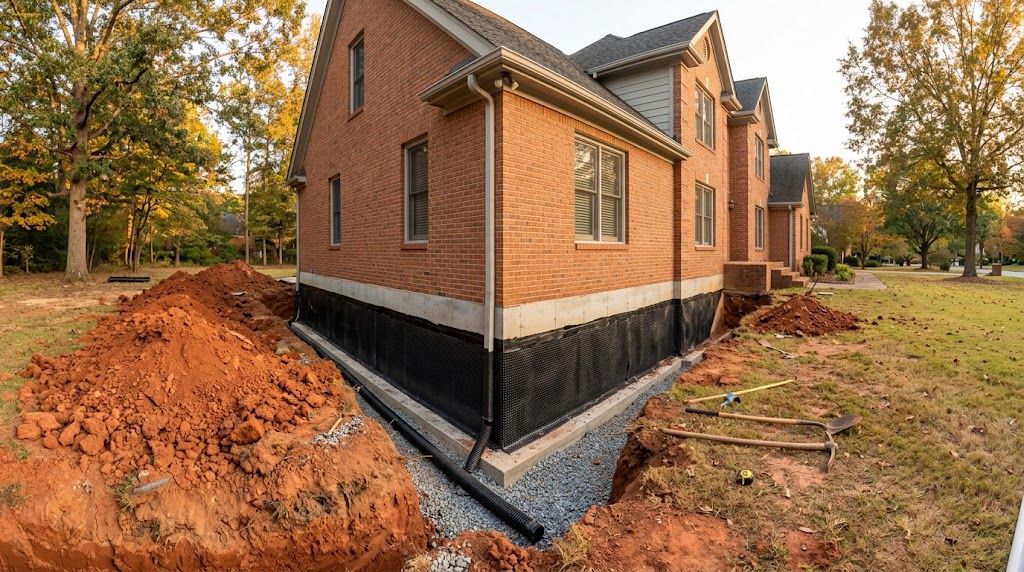
Homeowners can take several proactive steps to minimize water damage risks to their foundations. Ensuring proper drainage around your home is paramount. This means making sure your yard slopes away from the foundation, directing rainwater away from the structure. Regularly maintaining your gutters and downspouts is also critical; clear them frequently to prevent overflow and direct water at least ten feet away from the foundation.
Consider landscaping carefully, keeping shrubs and trees a healthy distance from foundation walls. Their roots can sometimes cause issues, and their foliage can trap moisture. However, when you observe persistent signs of damage like significant cracking, bowing walls, or consistent water intrusion, it’s time for a professional foundation inspection. Ignoring these severe symptoms can lead to catastrophic structural failure.
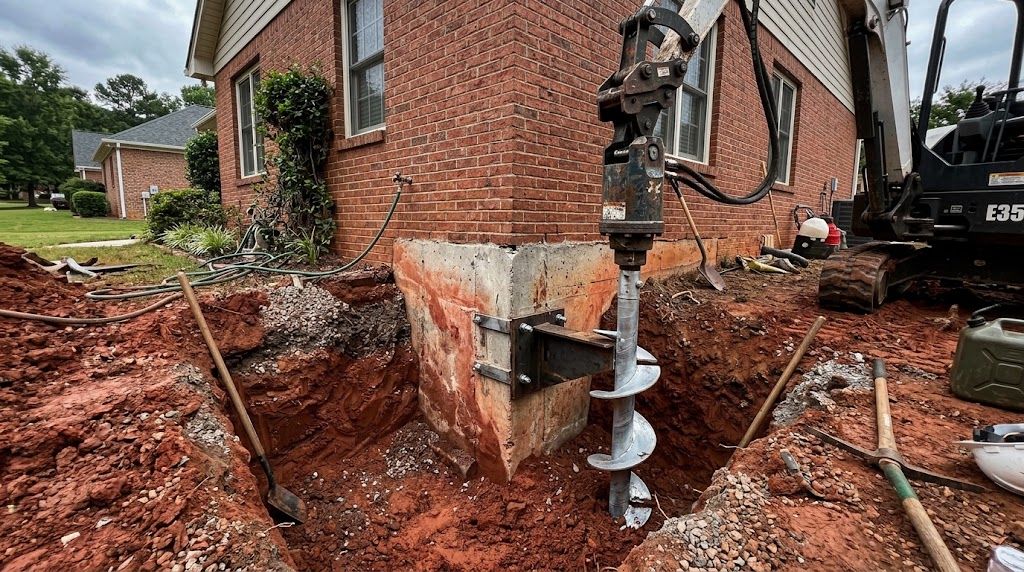
For expert foundation repair and waterproofing services in Norcross and across the Atlanta metro area, CGS Waterproofing & Foundations is here to help. We specialize in diagnosing and resolving issues from hydrostatic pressure to soil erosion. Don’t let water compromise your home’s safety and value; call us for a comprehensive assessment.
Conclusion:
Addressing foundation water damage early is crucial. What may seem like a minor issue today can quickly escalate into extensive and costly structural problems if left unaddressed. Proactive diagnosis and repair not only protect your home’s value but also ensure your family’s safety and peace of mind.
Don’t let water compromise your home’s integrity. CGS Waterproofing & Foundations specializes in diagnosing and repairing water-related foundation issues throughout the Greater Atlanta Metro Area. Most inspections take under an hour — and the peace of mind is worth it.
CGS Waterproofing & Foundations — Proudly Serving the Greater Atlanta Metro Area Based in Norcross, GA, CGS Waterproofing & Foundations provides expert waterproofing, foundation repair, crawlspace encapsulation, concrete work, and drainage solutions across the following areas: Gwinnett County · Fulton County · DeKalb County · Forsyth County · Henry County · Douglas County · Rockdale County · Newton County · Jackson County · Clarke County · Oconee County · Dawson County
FAQ – Frequently Asked Questions
Is the red clay soil in Georgia a major factor in water damaging foundations? Yes, Georgia’s expansive red clay soil plays a significant role in foundation water damage. When it gets wet, it expands, putting immense pressure on foundation walls. As it dries, it contracts, leading to settlement and cracks. This constant movement, exacerbated by rainfall and dry spells, weakens foundations over time.
How quickly can water damage a foundation? The speed of water damage varies depending on factors like soil type, rainfall intensity, and existing drainage. While sudden flooding can cause immediate issues, chronic issues like consistent poor drainage or leaking pipes can cause significant, progressive damage over months or even years, often unnoticed until major symptoms appear.
Can poor gutter maintenance lead to foundation problems? Absolutely. Clogged or improperly routed gutters are a leading cause of foundation water damage. They cause rainwater to dump directly at the foundation base, saturating the soil and leading to hydrostatic pressure, erosion, or slab settlement. Proper gutter maintenance is a simple, yet critical, preventative measure.
What’s the difference between minor cracks and serious foundation damage? Minor hairline cracks are often cosmetic and normal settling. However, cracks that are horizontal, stair-step, wider than 1/8 inch, or accompanied by bowing walls, sticking doors, or uneven floors, indicate serious structural issues due to water damage or settlement. A professional inspection can accurately differentiate between them.
How much does a foundation inspection cost in the Atlanta area? Many reputable companies, including CGS Waterproofing & Foundations, offer free foundation inspections for homeowners in the Atlanta Metro Area. These inspections involve a thorough assessment of your property to identify any signs of water damage or structural issues, providing you with an expert opinion and repair recommendations.