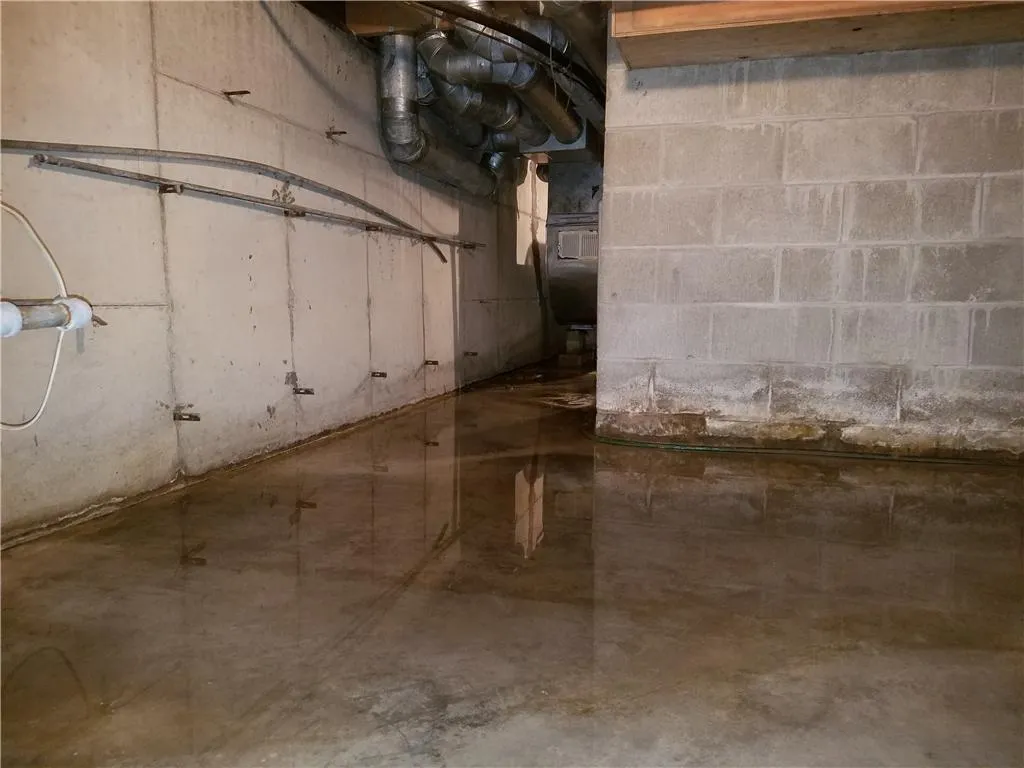
Waking up to a puddle on your basement floor after a heavy downpour can be a truly unsettling sight, instantly turning your focus to potential damage and costly repairs.
This common issue, often exacerbated by Georgia’s abundant red clay and frequent heavy rains, signals deeper problems. This article will explain why this happens and what homeowners can do about it.
Understanding Water Seepage: What’s Happening Under Your Home?
When heavy rains hit, many Georgia homeowners face a frustrating problem: water seeping up through their basement or crawl space floors. This often occurs due to a natural phenomenon called hydrostatic pressure. Simply put, it’s the force exerted by water in the soil around your home.
When the soil outside your foundation becomes completely saturated after rain, it can no longer absorb more moisture. This excess water then pushes against your home’s foundation and even underneath your basement floor. If there are any tiny cracks, weak points, or even porous concrete, the water finds the path of least resistance and is pushed upward into your living space. This problem can also worsen with fluctuating local water tables, especially after prolonged wet periods.
***
Water comes up through your floor after rain primarily due to hydrostatic pressure. Saturated soil around your foundation pushes water against and under your home, forcing it upwards through cracks or porous concrete into your basement or crawl space.
***
Georgia’s Unique Challenges: Red Clay, Rain, and Your Foundation
Georgia’s unique environment, particularly our abundant red clay soil, plays a significant role in basement water issues. This expansive soil type is known for its ability to retain large amounts of water. When it becomes fully saturated, it swells and creates immense pressure against your home’s foundation.
Our state also experiences frequent and heavy spring and summer rains, especially across areas like Gwinnett, Fulton, and DeKalb counties. These intense downpours rapidly oversaturate the red clay, exacerbating the hydrostatic pressure issue. This combination of soil and weather puts Georgia homes, including those in the Atlanta metro area, at a higher risk for water intrusion, which often contributes to high indoor humidity levels.
Beyond Puddles: Other Warning Signs of Water Intrusion
While puddles on your floor are an obvious sign, water intrusion can manifest in more subtle ways before it becomes a major flood. Recognizing these early indicators can help you address the problem promptly. Keeping an eye out for these issues is crucial, particularly in older homes found in areas like Norcross.
Here are other critical warning signs to look for:
- Damp Walls or Floors: A persistent clammy or wet feeling on basement walls or floors, even without visible puddles, indicates moisture seeping through. This can be common in homes built on lower elevations.
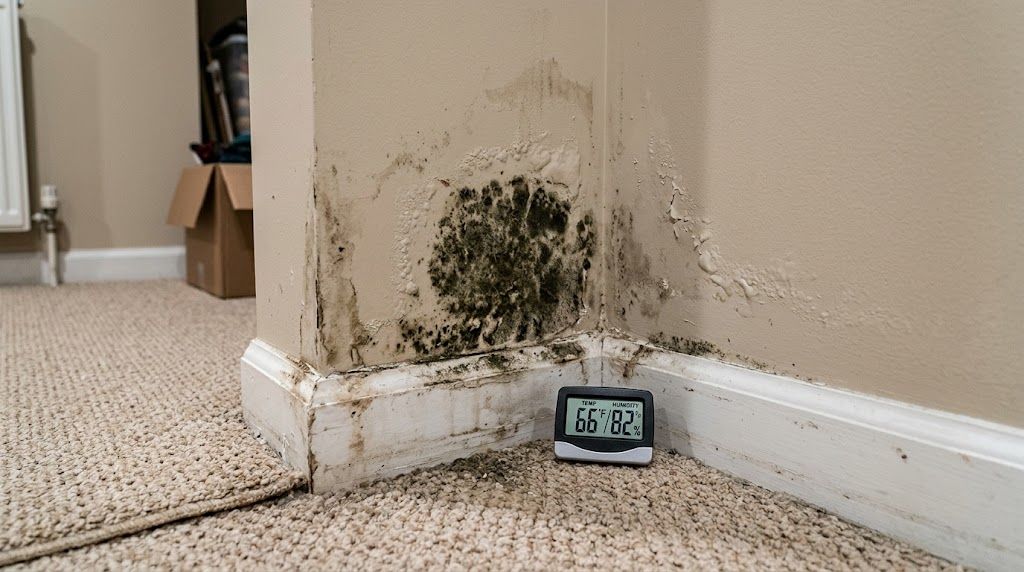
- Musty Odors: A stale, earthy smell suggests the presence of mold or mildew, even if you can’t see it. This odor often permeates basements and crawl spaces, especially after rain.
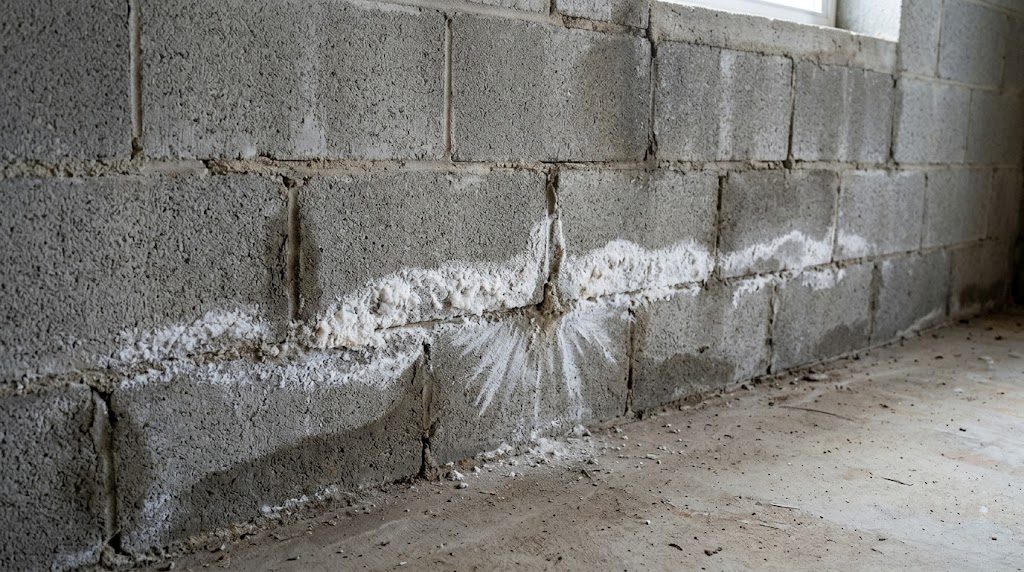
- Efflorescence: This is a powdery, white, crystalline deposit that appears on concrete or masonry surfaces. It’s left behind when water evaporates, pulling mineral salts from the material.
- Cracked Floors or Walls: Water pressure can stress your foundation, leading to new or expanding cracks in your basement floor and walls. Homes in Gwinnett County built on expansive soils might notice these more often.
- Bowing Walls: Severe hydrostatic pressure can cause basement walls to visibly push inward or “bow.” This is a serious structural concern requiring immediate professional attention.
- Mold Growth: Visible patches of mold on walls, ceilings, or stored items are a clear sign of excessive moisture. Mold is not only unsightly but also poses significant health risks.
The High Cost of Ignoring Basement Floor Water Issues
Ignoring water seeping through your basement floor can lead to a cascade of expensive and dangerous problems for your home and family. What starts as a small damp spot can quickly escalate into a severe issue, costing you far more in the long run. Acting quickly to address these issues is always the most economical choice.
The potential consequences include:
- Structural Damage: Persistent water can weaken your home’s foundation, leading to serious structural compromise over time. This can cause cracks in upper walls and even threaten the stability of your entire house.
- Mold and Mildew Health Risks: Damp environments are ideal breeding grounds for mold and mildew. Exposure to these can trigger allergies, asthma attacks, and other respiratory issues for your family.
- Decreased Home Value: A history of basement water problems significantly diminishes your property’s appeal and resale value. Potential buyers are often deterred by signs of past or ongoing moisture issues.
- Damage to Stored Items: Anything stored in a wet basement – from furniture and electronics to cherished family heirlooms – can be ruined by moisture, mildew, and direct water contact.
- Electrical Hazards: Water pooling near electrical outlets, wiring, or appliances creates a serious risk of electrical shorts, fires, and dangerous shocks. This can be a silent but deadly threat.
Proactive Steps: What Homeowners Can Do Immediately
While professional help is often necessary for persistent water issues, there are immediate, proactive steps Georgia homeowners can take to mitigate the problem. These DIY checks can significantly reduce the amount of water accumulating around your foundation. Addressing these simple tasks can prevent a lot of common issues.
Consider these initial actions for your home:
- Clear Gutters: Ensure your gutters are free of leaves, twigs, and debris. Clogged gutters overflow, dumping water directly alongside your foundation instead of directing it away.
- Extend Downspouts: Attach extensions to your downspouts so they discharge water at least 5-10 feet away from your home’s foundation. This prevents water from pooling right where you don’t want it.
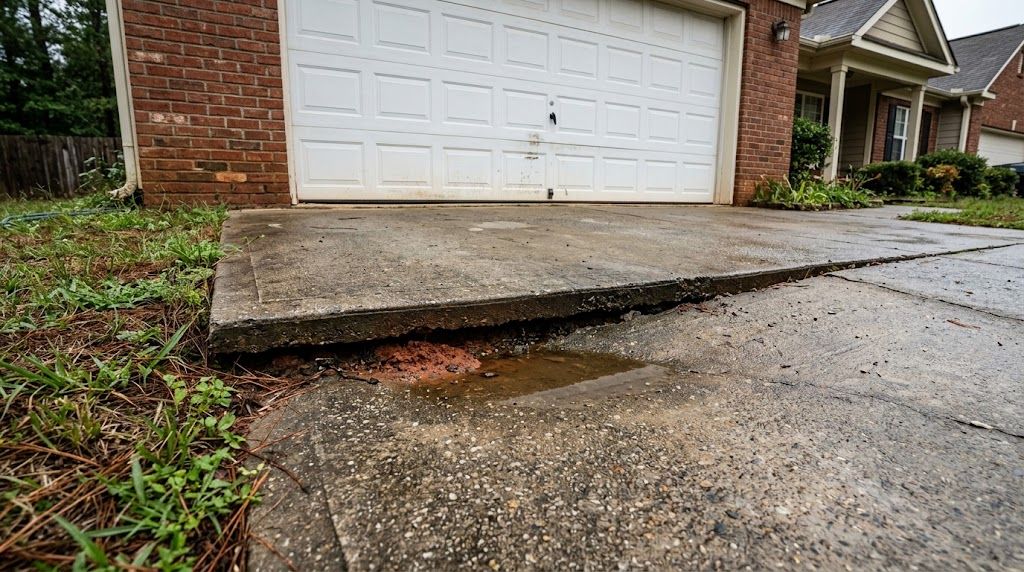
- Check Exterior Grading: Ensure the ground around your home slopes away from the foundation, not towards it. Poor grading allows water to collect and seep into your basement or crawl space.
While these steps can help with surface water issues, they are often not enough to address deep-seated hydrostatic pressure or foundation cracks. If water continues to come up through your floor after these checks, it’s time to call in an expert.
Expert Solutions for Georgia Basement Waterproofing
When DIY efforts aren’t enough to stop water from entering your home, it’s time for professional waterproofing solutions designed to tackle Georgia’s specific challenges. CGS Waterproofing & Foundations offers a range of expert services to protect your home. We provide comprehensive solutions across the entire Atlanta Metro area, including Forsyth, Henry, and Douglas counties.
Effective solutions often include:
- Interior Drainage Systems: These systems, often referred to as French drains, are installed along the interior perimeter of your basement. They collect water seeping through walls or up from the floor and channel it to a sump pump.
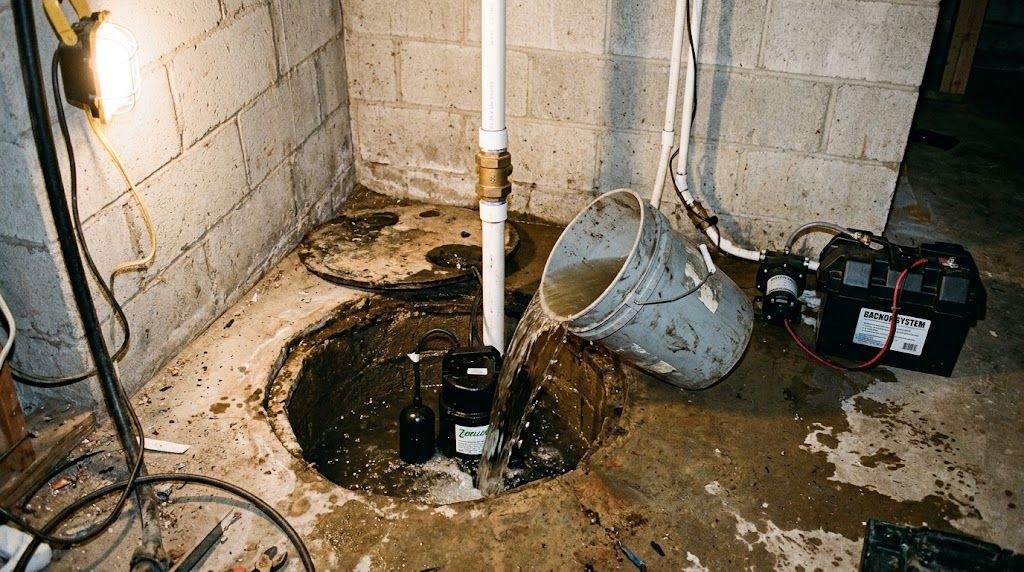
- Sump Pump Installation: A powerful sump pump works in conjunction with an interior drainage system. When water levels rise in the sump basin, the pump automatically activates, ejecting water safely away from your home.
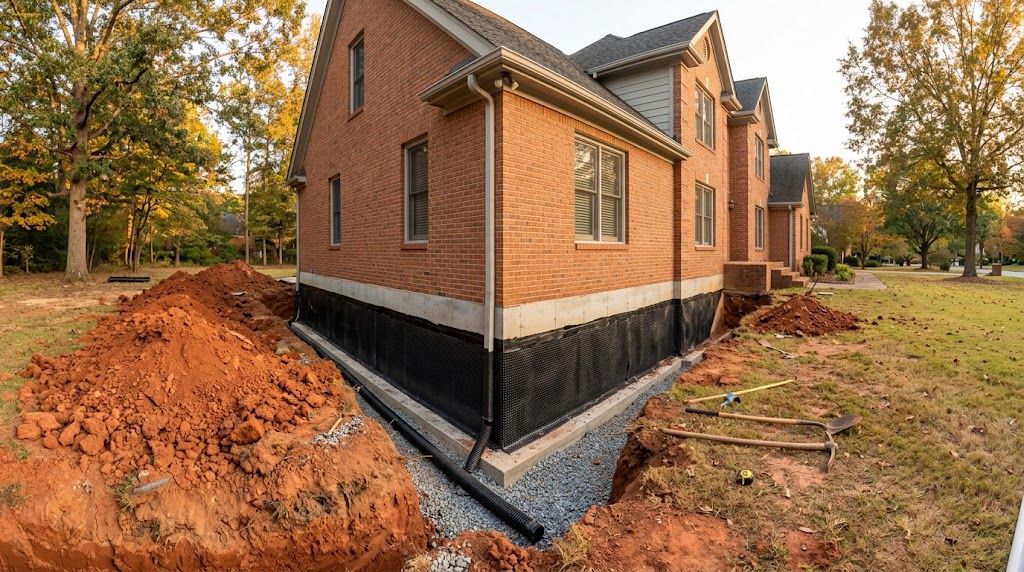
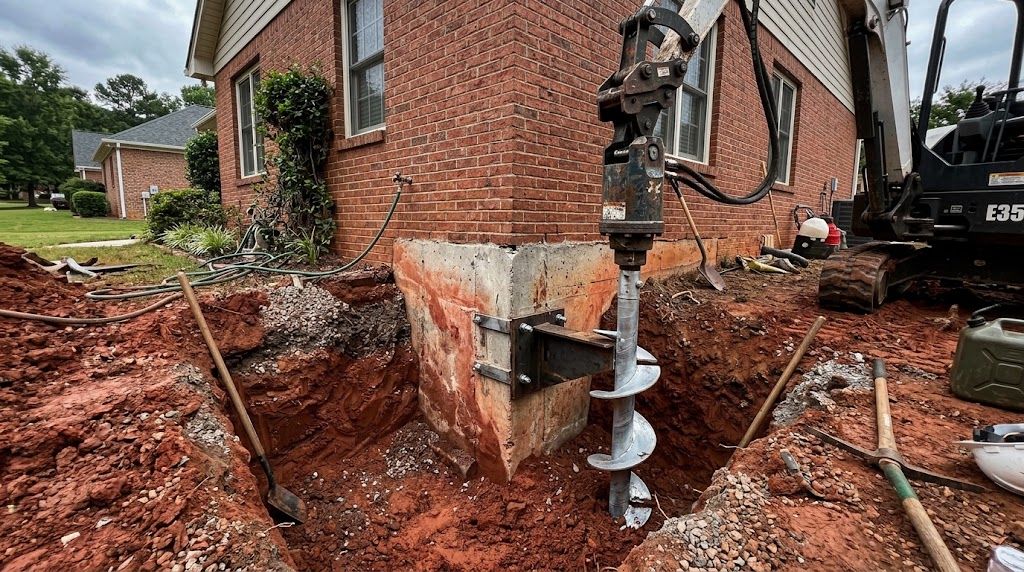
- Exterior Waterproofing: This involves excavating around your foundation to apply waterproof membranes or coatings to the exterior walls. It’s a highly effective way to prevent water from reaching your foundation in the first place.
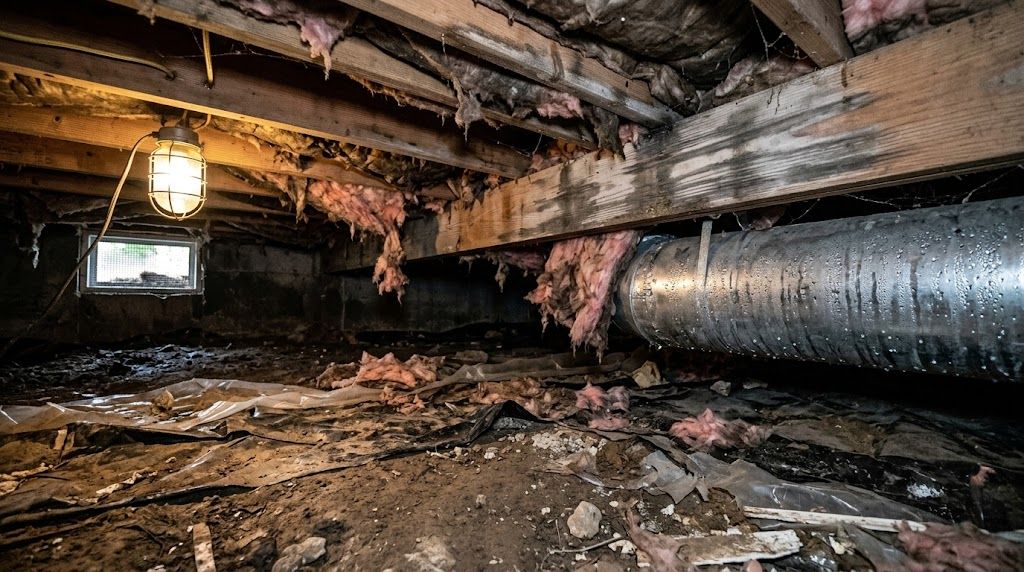
- Crawlspace Encapsulation: For homes with crawl spaces, encapsulation involves sealing off the crawl space from the earth and outdoor elements using a heavy-duty vapor barrier. This prevents moisture intrusion, improves air quality, and enhances energy efficiency.
An in-depth, professional inspection from a local expert is crucial to diagnose the exact cause of your water problem. They can recommend the most effective and lasting solution tailored to your home’s unique needs.
Why Choose CGS Waterproofing & Foundations for Your Home
At CGS Waterproofing & Foundations, we understand the unique challenges Georgia homeowners face with water intrusion and foundation problems. Our team consists of highly experienced professionals dedicated to providing reliable and lasting solutions for your property. We are proud to serve the entire Atlanta metro area, offering local expertise you can trust.
We specialize in comprehensive services including basement waterproofing, foundation repair, and advanced drainage solutions. Our commitment to quality workmanship and customer satisfaction means you can rest assured your home is in capable hands. Let us protect your investment and give you peace of mind.
Contact CGS Waterproofing & Foundations today for a consultation or to learn more about our services: (404) 234-0248 | cgswaterproofing.com/contact-us/.
Conclusion:
Ignoring water coming up through your basement floor can lead to far more extensive and costly problems down the line, from structural damage to health hazards. Acting quickly at the first sign of trouble is crucial for maintaining your home’s integrity and your family’s well-being.
CGS Waterproofing & Foundations is here to provide expert assessment and lasting solutions. Don’t wait for a small leak to become a major issue. Most inspections take under an hour — and the peace of mind is worth it.
CGS Waterproofing & Foundations — Proudly Serving the Greater Atlanta Metro Area Based in Norcross, GA, CGS Waterproofing & Foundations provides expert waterproofing, foundation repair, crawlspace encapsulation, concrete work, and drainage solutions across the following areas: Gwinnett County · Fulton County · DeKalb County · Forsyth County · Henry County · Douglas County · Rockdale County · Newton County · Jackson County · Clarke County · Oconee County · Dawson County
FAQ – Frequently Asked Questions
Here are some common questions homeowners ask about water coming up through their floors after rain:
1. Why is water coming up through my basement floor specifically after rain?
This typically indicates high hydrostatic pressure. Heavy rains saturate the soil around your foundation, increasing the water table. This pressure forces water through cracks or porous sections of your basement floor.
2. Is this a common problem in Georgia homes?
Yes, it is quite common, especially in Georgia. The expansive red clay soil in areas like the Greater Atlanta Metro Area retains a lot of moisture, exacerbating hydrostatic pressure issues during periods of heavy rainfall.
3. What are the immediate dangers of water seeping through my floor?
Beyond damaging belongings, standing water can lead to mold growth, creating health hazards. It can also compromise electrical systems and, over time, indicate structural issues with your home’s foundation.
4. Can I fix this problem myself with DIY methods?
While minor surface leaks might be temporarily mitigated by improving exterior drainage, major seepage from beneath the floor usually requires professional intervention. DIY fixes often don’t address the underlying hydrostatic pressure or structural issues.
5. When should I call a professional like CGS Waterproofing & Foundations?
You should contact a professional immediately if you notice recurring water seepage, significant puddles, musty odors, or cracks in your floor or walls. Early assessment from experts in areas like Gwinnett or Fulton County can prevent more severe and costly damage.