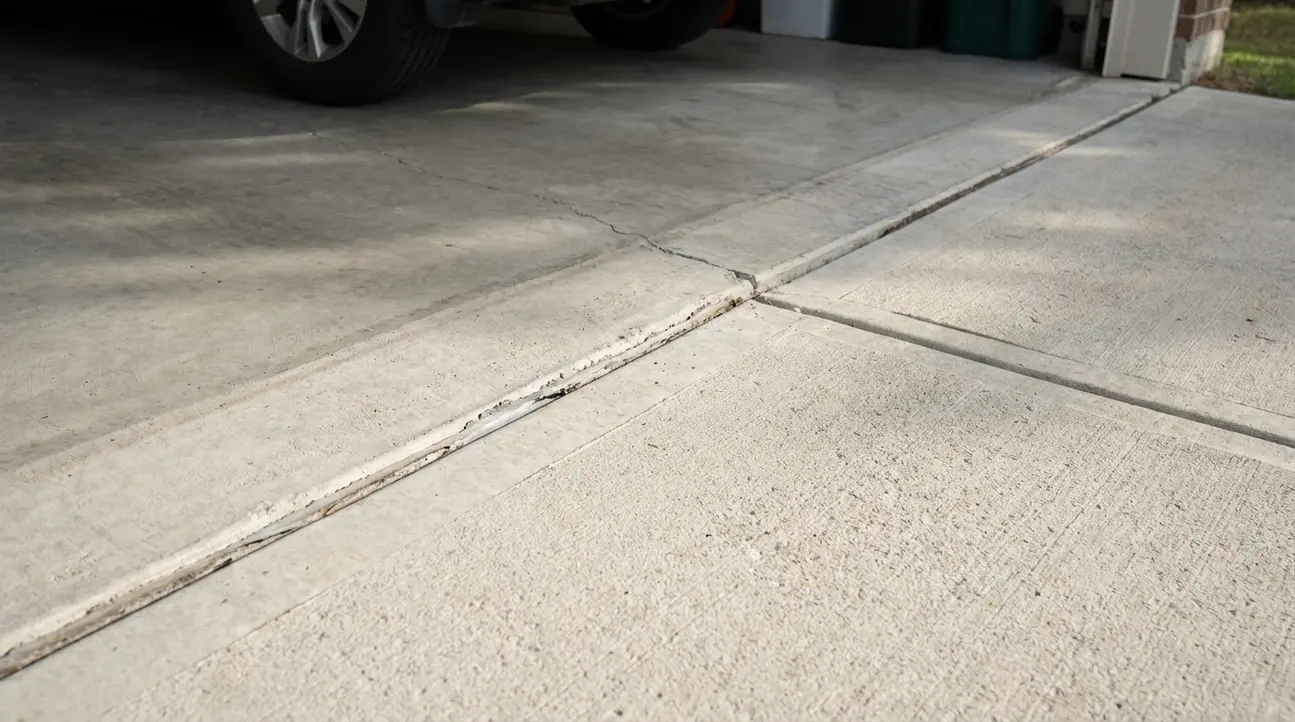
Noticing a gap where your driveway meets your garage can be unsettling, creating a nagging worry about your home’s integrity. It’s a common issue many homeowners observe, often unsure of its severity.
Here in Georgia, our expansive red clay soil and fluctuating weather patterns often contribute to these shifts. This article explains why separations occur, warning signs, and effective solutions.
What Does Driveway Separation From the Garage Mean?
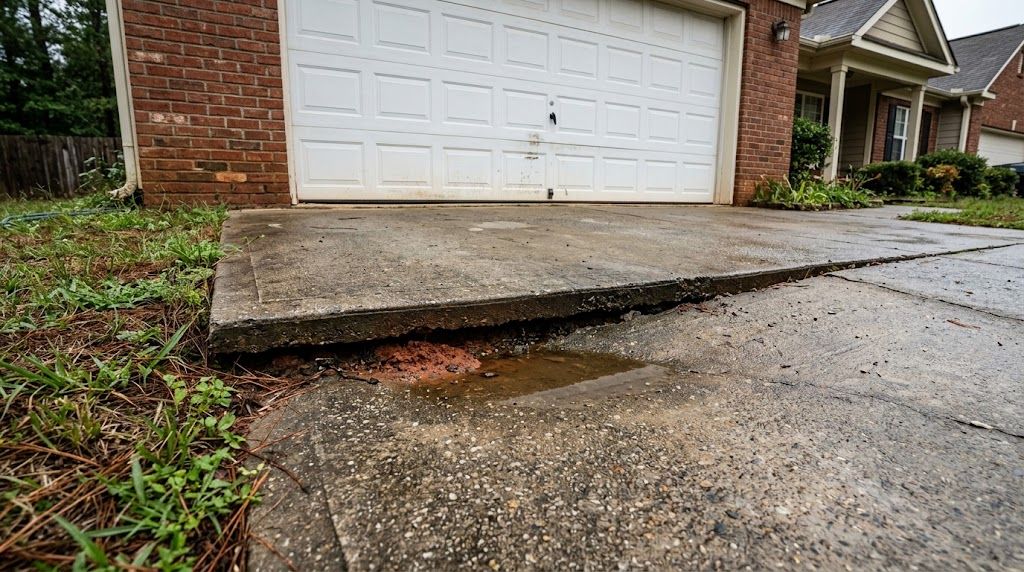
Driveway separation from your garage occurs when the concrete slab of your driveway visibly pulls away from your home’s foundation. This creates a noticeable gap or crack, often seen directly where the driveway meets the garage floor or foundation wall. It’s more than a simple surface imperfection; it signals a deeper, underlying structural movement.
Driveway separation from your garage occurs when the concrete slab of your driveway pulls away from your home’s foundation. This creates a visible gap or crack, often appearing where the driveway meets the garage floor or foundation wall. It’s more than a cosmetic flaw; it signals underlying structural movement.
You might observe various types of cracks. These can be horizontal cracks running along the seam or vertical cracks extending down into the ground. These separations are particularly concerning because they affect the stability of both the driveway and potentially your home’s foundation. Ignoring these signs can lead to more significant problems down the line.
Why Is Your Driveway Separating? The Georgia Context
The unique conditions here in Georgia contribute significantly to driveway and foundation issues. Our region’s soil and weather patterns create specific challenges that homeowners often face. Understanding these local factors is crucial for addressing the root cause of separation.
Here are the primary reasons driveways separate from garages in Georgia:
- Expansive Red Clay Soil: Georgia is famous for its red clay, which swells dramatically when wet and shrinks when dry. These constant swell-shrink cycles exert immense pressure on concrete slabs and foundations, causing movement and separation over time. Many homes in Fulton County, for example, are built on this type of soil.
- Poor Drainage: When rainwater isn’t directed away from your home, it saturates the soil directly beneath your driveway and foundation. This excess moisture destabilizes the soil, leading to erosion and settlement. Proper drainage is essential, especially with the heavy rainfall we experience in the Atlanta metro area.
- Tree Root Intrusion: Mature trees with extensive root systems can grow under driveways and foundations. As these roots expand, they push up concrete, leading to cracks and separation. Later, if the roots die, the void left behind can cause settlement.
- Settlement of Fill Dirt: If your home was built on improperly compacted fill dirt, it will naturally settle and compact over time. This settlement can create voids under your driveway slab, causing it to sink and pull away from the garage. This is a common issue for newer constructions and can be seen across counties like Gwinnett.
- Freeze-Thaw Cycles: While less common than in northern states, Georgia does experience occasional freezing temperatures. Water that seeps into small cracks can freeze, expand, and then thaw, gradually widening gaps and exacerbating existing separation. Even a few cycles can contribute to damage.
Key Warning Signs: Beyond the Obvious Gap
While a visible gap between your driveway and garage is the most obvious sign, several other indicators can point to underlying issues. Catching these early can prevent extensive damage and save you money on future repairs. Always keep an eye out for these subtle, yet critical, clues.
Other important warning signs include:
- Cracks in the Garage Floor or Foundation Walls: If the separation is due to significant settlement, you might see stress cracks appearing in the garage floor itself or even in the interior foundation walls of your garage. These indicate major structural shifts.
- Uneven Garage Floor: A garage floor that slopes or is noticeably uneven could mean the underlying soil has settled or shifted. This often correlates with driveway separation, as both are connected to your home’s foundation.
- Difficulty Opening/Closing Garage Door: Foundation movement can affect the alignment of your garage door frame. If your garage door sticks, grinds, or no longer seals properly, it’s a strong signal that the structure is out of plumb.
- Water Pooling Near the Garage Foundation: After rain, watch for water collecting in puddles close to your garage. This indicates poor drainage, which is a primary cause of soil erosion and foundation instability. Proper water management is vital for protecting your home. Early detection of these warning signs gives you a significant advantage in preventing further damage.
The Real Cost of Ignoring Driveway-Garage Separation
Ignoring a separating driveway might seem like a small issue initially, but the long-term consequences can be severe and expensive. What starts as a minor cosmetic flaw quickly escalates into significant structural problems for your home. These issues can compromise your safety and significantly decrease your property value.
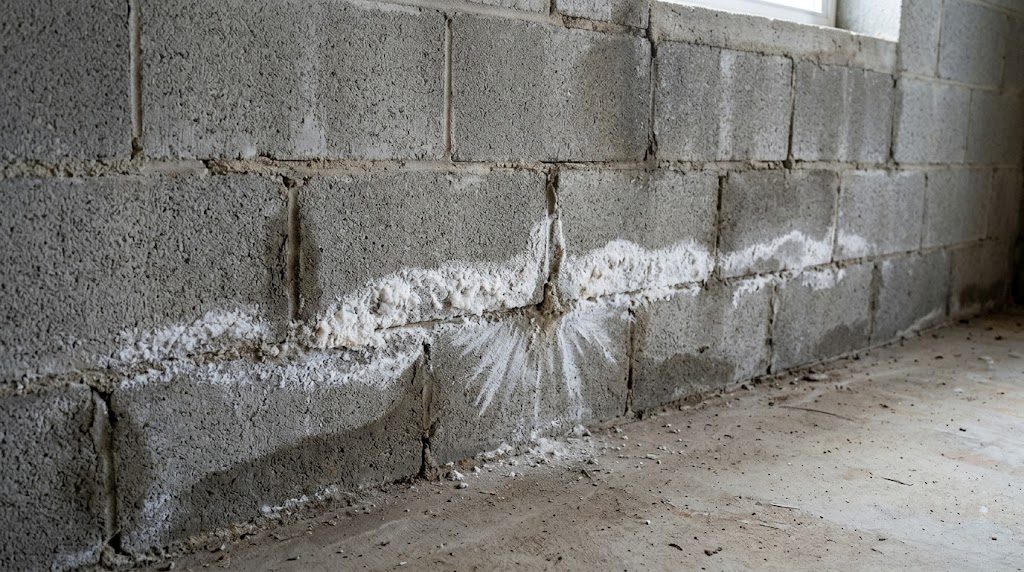
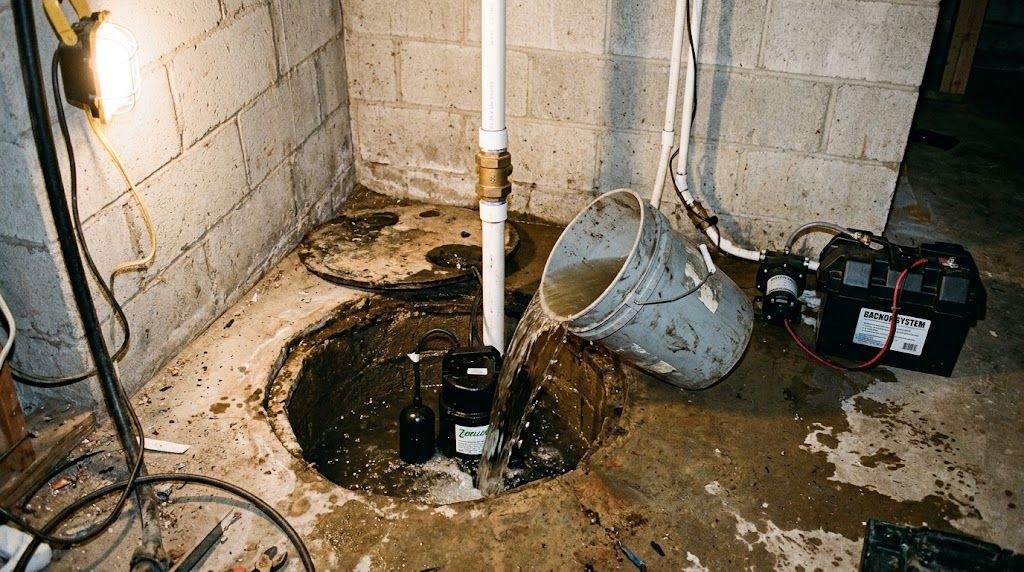
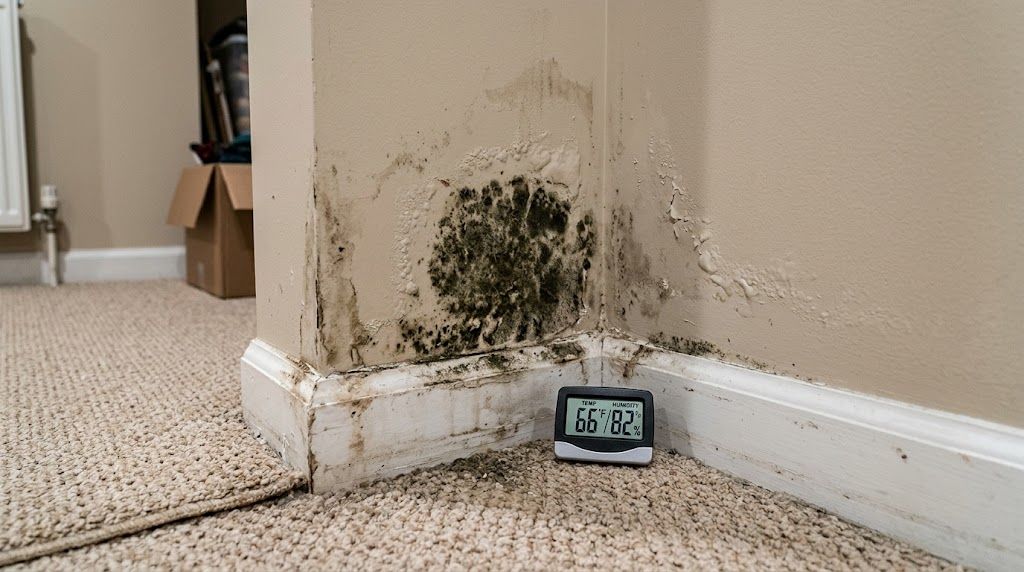
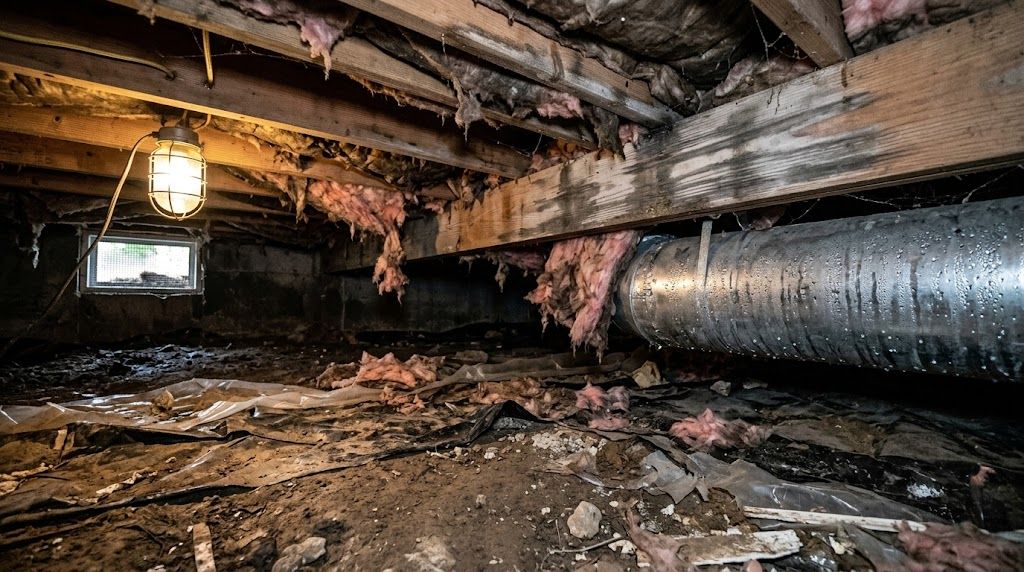
One of the most immediate problems is increased water intrusion. The gap acts as an open invitation for rainwater to seep directly under your garage floor and foundation. This constant moisture leads to mold growth, which is a health hazard, and wood rot, weakening structural elements. Over time, persistent water can severely damage your foundation, requiring extensive and costly repairs.
Furthermore, these openings create easy entry points for pests like insects and rodents, leading to infestations inside your home. Beyond the structural and health concerns, an unaddressed separation significantly decreases your property value. Potential buyers will spot these issues, and they can deter sales or lead to much lower offers. Addressing the problem early is always more cost-effective than delaying repairs until the damage becomes critical.
Professional Solutions for Driveway-Garage Issues
When your driveway separates from your garage, professional intervention is almost always required. Attempting DIY fixes can often worsen the problem or provide only temporary relief. Expert assessment ensures that the correct, long-lasting solution is applied to your specific situation.
Several effective repair methods exist to address these issues:
- Concrete Lifting (Mudjacking/Polyjacking): This technique involves injecting a specialized material (either a cement slurry or high-density polyurethane foam) beneath the sunken concrete slab. The material expands, lifting the slab back to its original position and closing the gap with the garage. Polyjacking, in particular, offers a lightweight and durable solution.
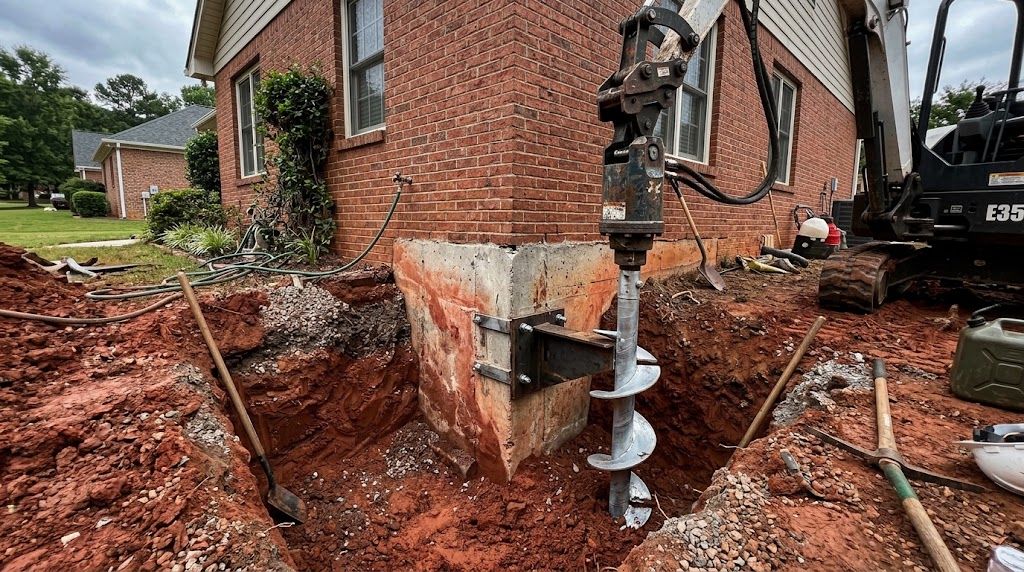
- Foundation Repair Techniques: If the separation points to deeper foundation issues, methods like pier or piling installation might be necessary. Piers are driven deep into stable soil layers or bedrock to support and stabilize the foundation. This prevents further settlement and can lift sections of the home back into place.
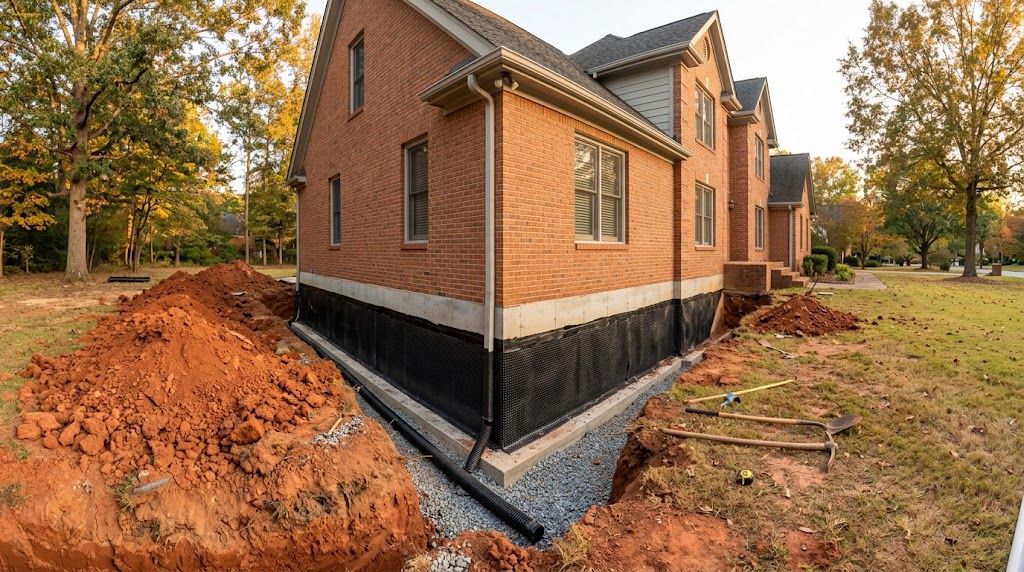
- Drainage Solutions: Often, improving drainage is a critical component of the repair. Installing French drains, catch basins, or re-grading the landscape helps redirect water away from your foundation. This prevents future soil erosion and saturation, protecting your repairs.
Emphasizing that a professional assessment is crucial cannot be overstated. A qualified specialist can accurately diagnose the cause and recommend the most effective and durable repair plan.
When to Call a Foundation Repair Specialist in GA
If you’ve noticed any signs of your driveway separating from your garage, acting quickly is vital to protect your home. Don’t wait for minor issues to escalate into major structural damage. Getting a professional opinion early can save you significant stress and expense in the long run.
CGS Waterproofing and Foundations offers a free, no-obligation inspection to homeowners in the Greater Atlanta Metro Area. Our experts will thoroughly assess your situation, identify the root cause of the separation, and provide a clear, detailed plan for repair. This professional assessment gives you peace of mind, knowing that your home is in capable hands.
Whether you’re in Gwinnett, Fulton, or DeKalb counties, or anywhere in the surrounding areas including Norcross, CGS Waterproofing and Foundations is ready to assist. We specialize in effective solutions that prevent minor issues from becoming major structural problems. Contact us today to schedule your free inspection and ensure the long-term stability of your home.
Conclusion:
Addressing driveway separation from your garage early is crucial. What might seem like a minor cosmetic issue can often be a symptom of deeper structural concerns. Taking proactive steps now can save you from more extensive and costly repairs down the line.
Don’t let worry about your home’s foundation linger. CGS Waterproofing & Foundations offers expert assessments and reliable solutions for homeowners across the Greater Atlanta Metro Area. Most inspections take under an hour — and the peace of mind is worth it.
CGS Waterproofing & Foundations — Proudly Serving the Greater Atlanta Metro Area Based in Norcross, GA, CGS Waterproofing & Foundations provides expert waterproofing, foundation repair, crawlspace encapsulation, concrete work, and drainage solutions across the following areas: Gwinnett County · Fulton County · DeKalb County · Forsyth County · Henry County · Douglas County · Rockdale County · Newton County · Jackson County · Clarke County · Oconee County · Dawson County
FAQ – Frequently Asked Questions
Here are some common questions homeowners ask about driveway separation from their garage:
Is a small gap between my driveway and garage always serious?
While minor cosmetic cracks can occur, any noticeable gap, especially one that widens or affects garage door operation, warrants attention. It can indicate underlying soil movement or foundation settlement, which should be professionally evaluated to prevent further damage.
What causes driveway separation in Georgia?
In Georgia, expansive red clay soil is a primary culprit, as it swells and shrinks with moisture changes, causing concrete to shift. Poor drainage, tree root intrusion, and improper compaction of fill dirt during construction also contribute significantly to these issues.
Can I fix the driveway separation myself?
For superficial cracks, DIY sealants might offer a temporary cosmetic fix. However, if the separation indicates underlying structural issues like foundation settlement or poor drainage, professional intervention is necessary. DIY attempts on structural problems often fail and can exacerbate the issue.
How much does it cost to repair a driveway separating from the garage?
The cost varies greatly depending on the cause and severity of the separation. Simple concrete crack repair will be less expensive than foundation underpinning or extensive drainage solutions. A professional inspection can provide an accurate estimate and recommend the most effective, long-term solution.
How can CGS Waterproofing & Foundations help with my driveway issues?
CGS Waterproofing & Foundations specializes in diagnosing and repairing issues related to concrete and foundation movement. We offer comprehensive inspections to identify the root cause of your driveway separation and provide tailored solutions, including concrete leveling, foundation repair, and drainage improvements, ensuring lasting stability for your home.