There’s nothing quite like the unsettling feeling of a damp, musty smell permeating your home, especially when you can’t pinpoint the source. It’s a common homeowner concern that often signals a deeper issue lurking beneath the surface.
In Georgia, our humid climate and expansive red clay soil often contribute to these mysterious odors. This article will delve into the surprising reasons why your house might smell damp, even on dry days, and what solutions are available for Atlanta-area residents.
What is That Persistent “Damp” Smell?
That familiar musty, earthy smell in your home, even when it’s not raining, is a clear warning sign. It often smells like wet soil or old books, and it’s distinct from the scent of a fresh leak. This odor is typically caused by microbial volatile organic compounds (MVOCs), which are gases released by mold and mildew as they grow. While the smell isn’t mold itself, it’s a strong indicator that these moisture-loving organisms are thriving somewhere nearby.
> A persistent damp smell in your house, even without rain, indicates a hidden moisture problem creating a breeding ground for mold and mildew. These microscopic organisms release gases that cause the distinctive musty odor, signaling poor indoor air quality and potential damage.
Many homeowners mistakenly believe that if there’s no visible standing water, there’s no problem. However, high indoor humidity, prevalent in Georgia, can be enough to sustain mold growth without obvious leaks. This humidity traps the MVOCs in your indoor air, making the smell pervasive and difficult to ignore. Understanding this crucial difference helps pinpoint the true source of your home’s unwelcome aroma.
Common Causes of Lingering Dampness in Georgia Homes
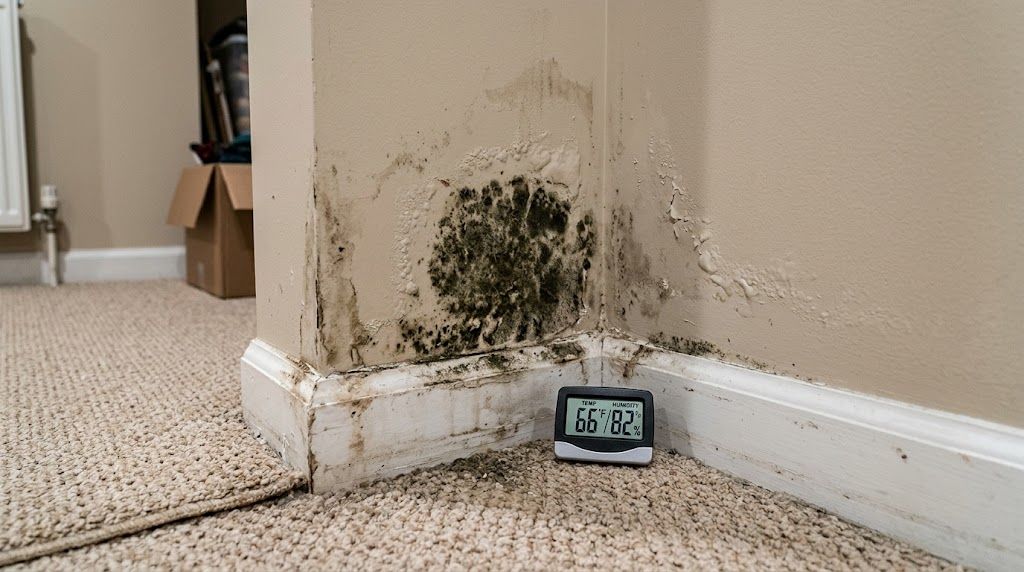
Georgia’s unique climate and geology play a significant role in homes developing persistent damp smells. Our humid summers create an ideal environment for moisture to accumulate indoors, even when you’re running your air conditioning. This constant humidity is a primary driver for mold and mildew growth throughout the Atlanta metro area. When humidity levels consistently stay above 60%, conditions become ripe for these organisms to flourish.
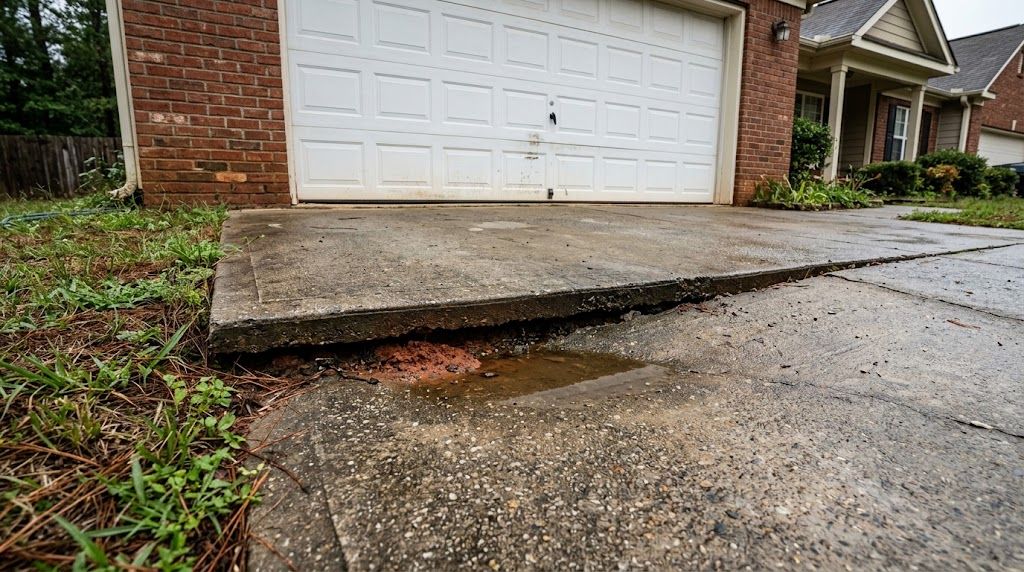
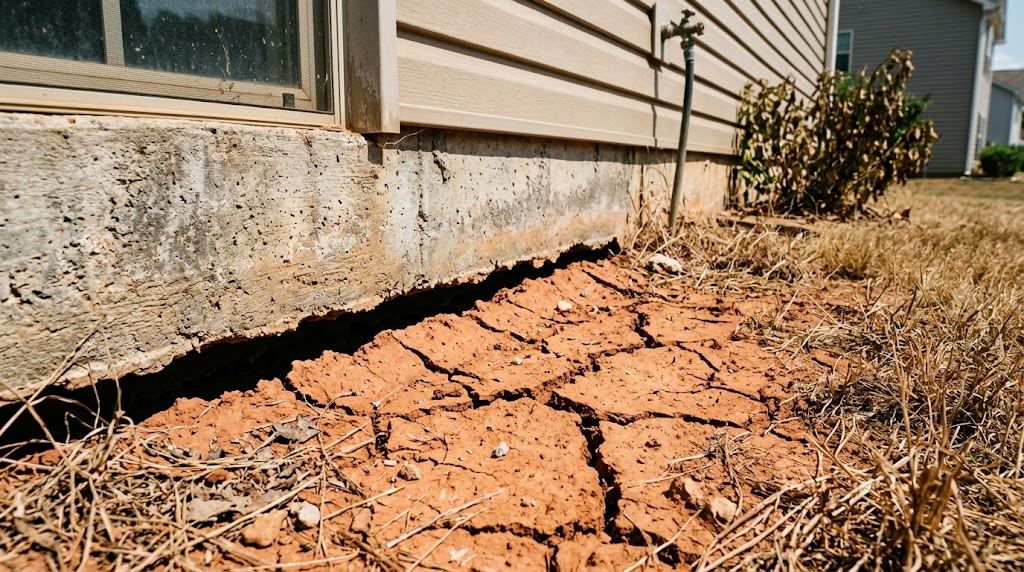
Foundation issues are another major culprit, particularly due to Georgia’s expansive red clay soil. This soil can swell and contract with moisture changes, putting immense pressure on foundations. Over time, this stress can lead to hairline cracks, allowing moisture to seep into basements or crawl spaces. Hydrostatic pressure from saturated soil against foundation walls can also push water indoors, even if it’s not actively raining. This is a common challenge for homeowners in counties like Gwinnett and Fulton.
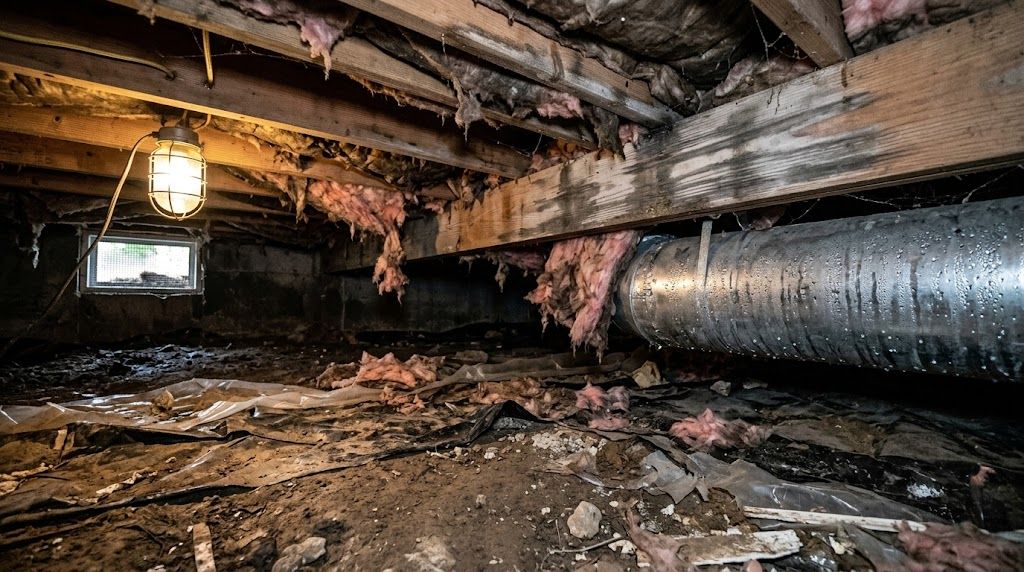
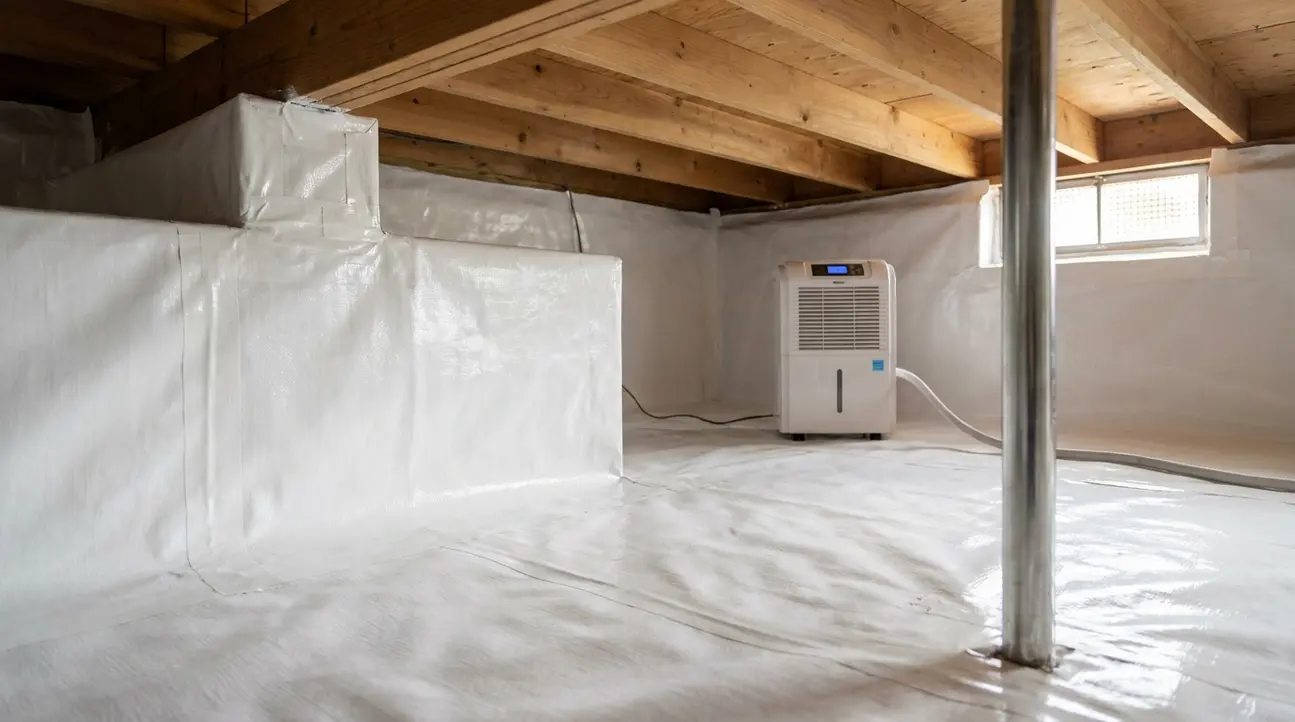
Furthermore, crawl space problems are notoriously responsible for damp smells. Poor ventilation, inadequate vapor barriers, or even standing water from past rain events can keep a crawl space damp for weeks. This creates a fertile breeding ground for mold and mildew underneath your living areas. Finally, subtle plumbing leaks can go undetected for long periods, slowly saturating drywall or subflooring behind walls or under floors. These hidden leaks contribute to a localized musty odor that eventually spreads throughout the house, often without ever producing visible water damage.
Hidden Culprits: Beyond the Obvious Sources
Sometimes, the source of that damp smell isn’t an obvious leak or flooded basement; it’s a subtle, ongoing moisture issue. Poor indoor ventilation is a common, yet overlooked, problem. Without proper air circulation, especially in areas like laundry rooms or bathrooms, moisture gets trapped and can’t escape. This stagnant, humid air is a perfect environment for mildew to develop in hidden corners.
Condensation issues can also be significant. In Georgia’s humid climate, warm, moist air meeting cool surfaces leads to condensation. This often happens in poorly insulated attics, inside wall cavities, or around cold water pipes, particularly in bathrooms and kitchens. Over time, this continuous dampness leads to hidden mold growth and a pervasive musty odor.
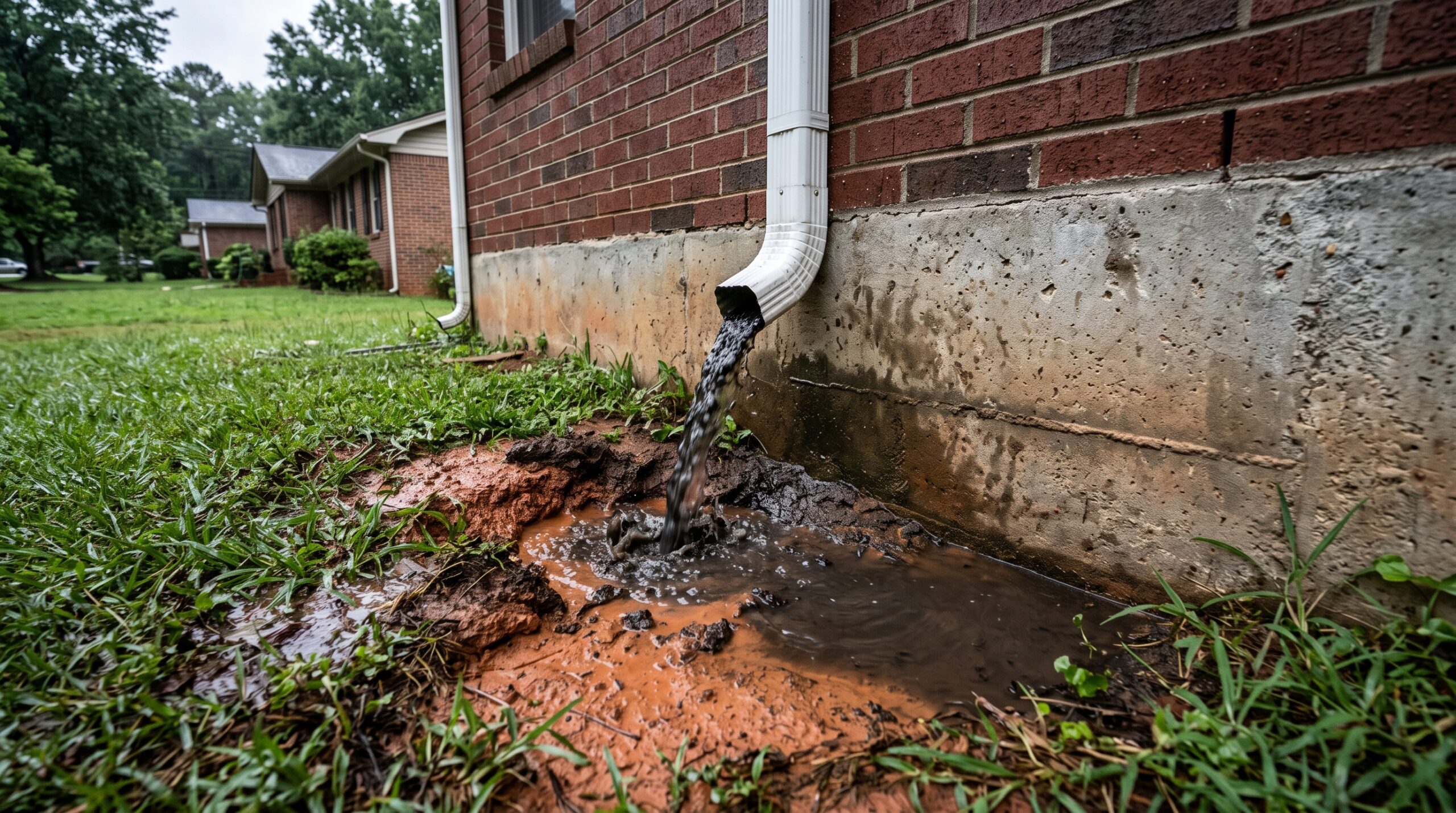
Slow, leaky roofs or gutters are another stealthy source. A tiny roof leak might not cause a drip bucket situation, but it can saturate insulation or ceiling joists over months. Similarly, clogged or damaged gutters can direct rainwater directly against your foundation or exterior walls. This allows moisture to slowly penetrate the structure, leading to dampness within walls that you can smell but not see. Even damp basements or garages, if not properly managed, can contribute significantly to a home’s overall humidity. These often-forgotten spaces can hold moisture, allowing it to wick up into the main living areas and spread that unpleasant scent.
Warning Signs You Shouldn’t Ignore
While a damp smell is your nose’s warning, other signs often accompany it, indicating a deeper moisture issue. Paying attention to these indicators can help you identify and address the problem sooner.
- Visual Cues: Look for water stains on ceilings or walls, even if they appear old and dry. Peeling or bubbling paint and wallpaper can also signal moisture behind surfaces. Warped or buckling wood on floors or trim boards indicates prolonged exposure to dampness.
- Signs of Mold Growth: Beyond the smell, visible mold manifests as discoloration on surfaces (green, black, white, or fuzzy patches). Check behind furniture, under sinks, and in less-used areas like basements or attics.
- Health Symptoms: Persistent dampness significantly impacts indoor air quality, leading to health issues. Watch for unexplained allergies, respiratory irritation, coughing, sneezing, or worsening asthma symptoms. These often improve when you leave the affected environment.
- Increased Pest Activity: Many pests, including cockroaches, silverfish, and termites, are drawn to damp environments. An unexplained increase in these critters, especially in areas like crawl spaces or basements, can be a sign of excessive moisture. This is especially true in counties like Forsyth, where homeowners might notice these issues more frequently.
These warning signs, especially when combined with a persistent musty odor, strongly suggest that you have an underlying moisture problem that needs professional attention.
The High Cost of Ignoring Persistent Dampness
Ignoring a persistent damp smell in your home is like ignoring a smoke alarm; the problem only worsens over time. The long-term consequences extend far beyond just an unpleasant odor, impacting your home’s integrity and your family’s well-being. One of the most severe outcomes is structural damage. Continuous moisture can weaken wooden support beams, floor joists, and even compromise your home’s foundation. This deterioration can lead to costly repairs down the line, affecting homes throughout the Atlanta metro area.
Furthermore, untreated dampness creates an ideal breeding ground for mold and mildew, posing significant health risks. Exposure to mold spores can trigger or worsen allergies, asthma, and other respiratory problems. It significantly reduces indoor air quality, making your home an uncomfortable and unhealthy environment. This constant musty air also detracts from your home’s comfort and appeal.
Financially, ignoring dampness can severely decrease property value. A home with a pervasive damp smell and signs of moisture damage is a major deterrent for potential buyers. When it eventually comes time to sell, you may face difficulties or be forced to accept a lower offer. Ultimately, the eventual costs of extensive remediation and repairs for structural damage and widespread mold growth can be exorbitant. Addressing the problem early, as soon as you detect that initial damp smell, is always the most economical and effective approach.
Proactive Steps: Identifying & Resolving the Issue
Detecting a persistent damp smell means it’s time to take action. You can start with a few simple DIY checks to identify potential sources. Look for obvious leaks around plumbing fixtures, under sinks, and near appliances like washing machines or water heaters. Improve ventilation by opening windows when practical, using exhaust fans in bathrooms and kitchens, and ensuring dryer vents are clean. These small steps can sometimes reveal or mitigate minor issues.
However, for hidden or persistent dampness, a professional inspection is strongly recommended. Many moisture sources are invisible to the naked eye, lurking behind walls or deep within crawl spaces. A comprehensive inspection from CGS Waterproofing & Foundations uses specialized tools, like moisture meters and thermal imaging cameras, to accurately pinpoint the source of the problem. Our experts can detect moisture within building materials that would otherwise go unnoticed, even without visible water stains. This precise detection is crucial for addressing the root cause, not just the symptoms, and preventing future recurrences.
When to Call the Experts: CGS Waterproofing & Foundations
When the damp smell persists, despite your best efforts, it’s time to bring in the local experts. CGS Waterproofing & Foundations provides lasting solutions for Georgia homeowners dealing with moisture problems. We understand the specific challenges faced by homes in the Greater Atlanta Metro Area, from Norcross to DeKalb County, and offer tailored services to protect your property.
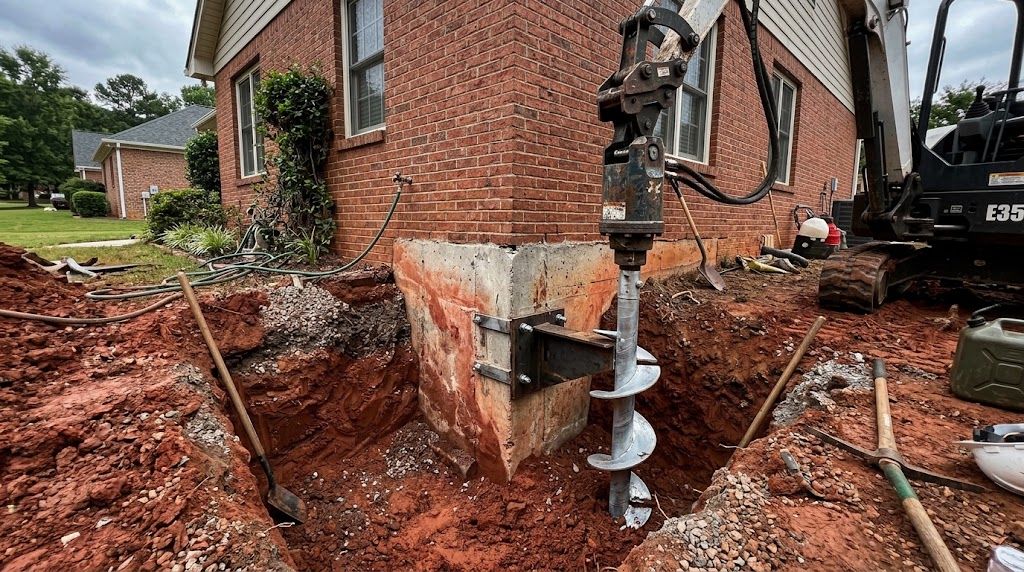
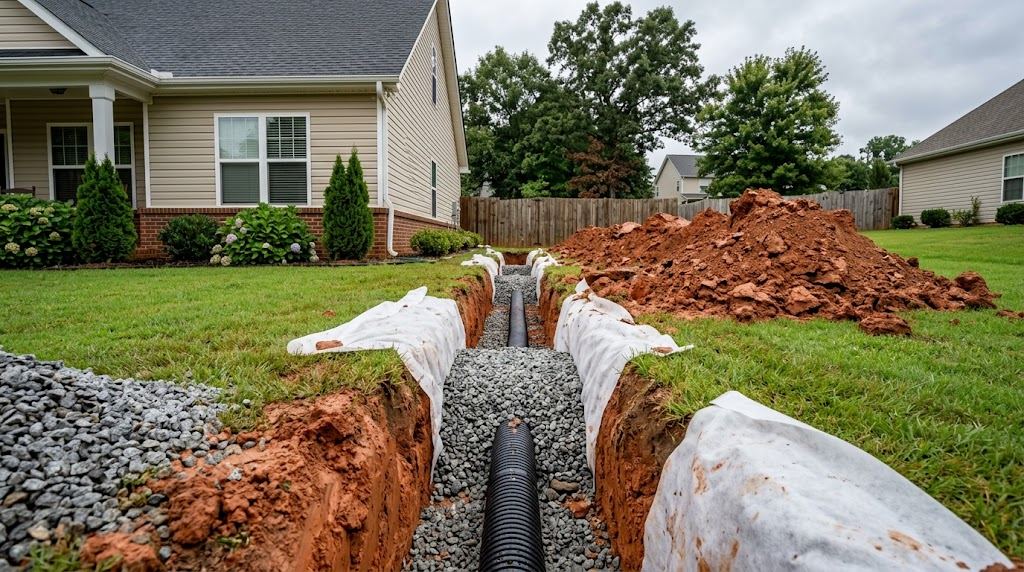
Our core services directly address the causes of dampness. Basement waterproofing creates a dry, healthy environment by preventing water intrusion. For homes with crawl spaces, crawl space encapsulation is a transformative solution. We seal off your crawl space from the outside elements, control humidity, and eliminate the conditions that foster mold and mildew. If foundation issues are the culprit, our foundation repair experts can stabilize your home and seal cracks, stopping water entry at its source. Additionally, comprehensive drainage solutions redirect water away from your foundation, a critical step in preventing hydrostatic pressure build-up. At CGS, we pride ourselves on being your trusted “expert neighbor,” providing professional, reassuring service and effective, long-term solutions for a healthier home.
Conclusion:
Don’t let a lingering damp smell diminish your home’s comfort or value. Addressing the root cause early on is key to preventing more extensive and costly damage down the line.
For homeowners in the Greater Atlanta Metro Area, CGS Waterproofing & Foundations offers expert inspections and tailored solutions to banish musty odors and protect your property. Most inspections take under an hour — and the peace of mind is worth it.
CGS Waterproofing & Foundations — Proudly Serving the Greater Atlanta Metro Area Based in Norcross, GA, CGS Waterproofing & Foundations provides expert waterproofing, foundation repair, crawlspace encapsulation, concrete work, and drainage solutions across the following areas: Gwinnett County · Fulton County · DeKalb County · Forsyth County · Henry County · Douglas County · Rockdale County · Newton County · Jackson County · Clarke County · Oconee County · Dawson County
FAQ – Frequently Asked Questions
Here are some common questions homeowners ask about persistent damp smells in their houses, even on dry days:
Why does my house smell damp but there’s no visible water?
This is a common paradox! The smell often comes from hidden moisture sources like slow plumbing leaks behind walls, high humidity trapped in crawl spaces or basements, or condensation buildup in poorly ventilated areas. Mold and mildew can grow in these unseen spots, producing the musty odor without obvious pooling water.
Can a musty smell affect my health?
Absolutely. A persistent musty smell is a strong indicator of mold or mildew growth. Exposure to mold spores can trigger allergies, asthma attacks, respiratory problems, and other health issues, especially in sensitive individuals or those with compromised immune systems. It’s crucial to address the source for your family’s well-being.
Is it common for Georgia homes to have damp smell issues?
Yes, it’s very common. Georgia’s naturally high humidity levels, especially during long, hot summers, create an ideal environment for moisture problems. Our expansive red clay soil can also retain water and cause hydrostatic pressure against foundations, leading to leaks and damp conditions that contribute to these odors.
What’s the first thing I should do if my house smells damp?
Start by checking the most obvious culprits: look for any visible leaks around plumbing fixtures, appliances, and in your basement or crawl space. Improve ventilation by opening windows (if humidity is low outside) and using exhaust fans. If the smell persists, it’s time to call in professionals to uncover hidden issues.
How can CGS Waterproofing & Foundations help with damp smells?
CGS Waterproofing & Foundations specializes in diagnosing and resolving the underlying causes of damp smells in Atlanta-area homes. We offer comprehensive inspections to identify moisture sources, and then provide tailored solutions such as basement waterproofing, crawl space encapsulation, foundation repair, and drainage improvements to eliminate the problem at its root and restore your home’s freshness.