In the humid climate of Georgia, basement waterproofing is crucial for maintaining the structural integrity of your home and ensuring a healthy living environment. The region’s frequent rainfall and varying soil types can lead to excessive moisture in basements, making effective waterproofing methods essential. This article will explore the best practices for basement waterproofing in Georgia, focusing on different techniques and materials suited to local conditions.
Understanding the Importance of Basement Waterproofing
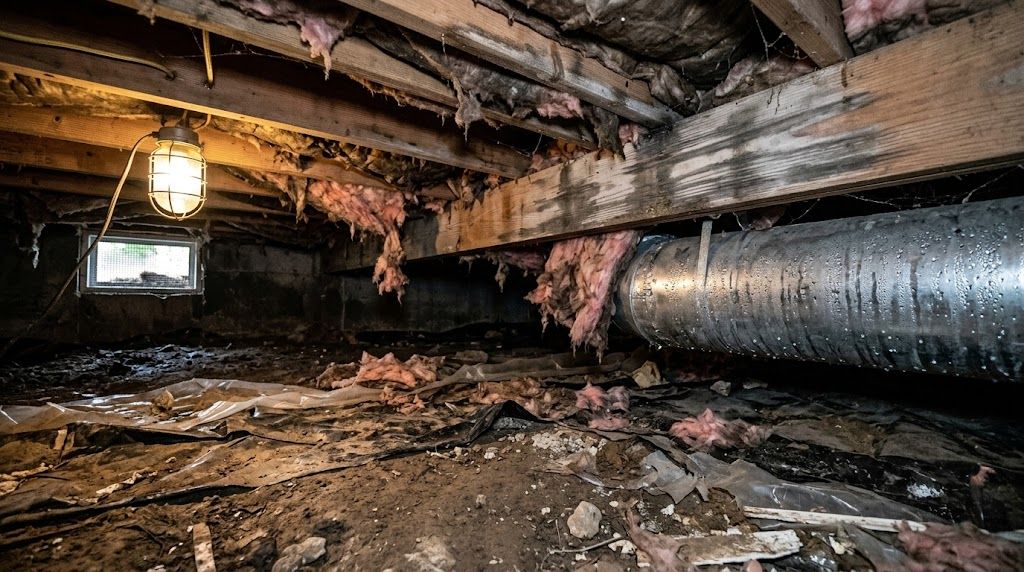
Waterproofing your basement in Georgia is not just about preventing the inconvenience of a damp basement; it’s about protecting your home’s foundation from serious damage. Water infiltration can weaken the structural integrity of the building, promote mold growth, and lead to costly repairs if not addressed promptly. Effective waterproofing techniques can help mitigate these risks and add value to your property.
Assessing the Need for Waterproofing
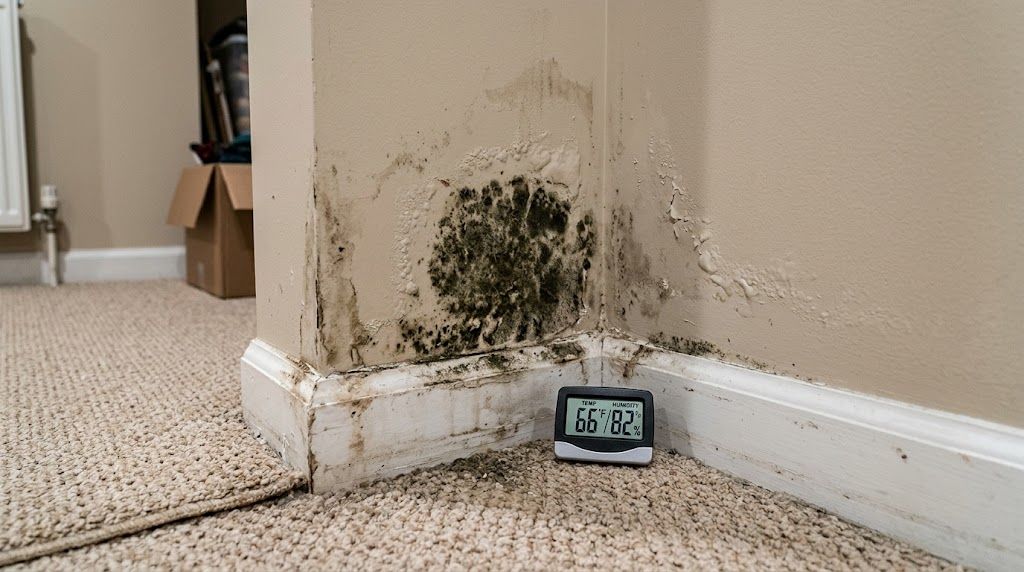
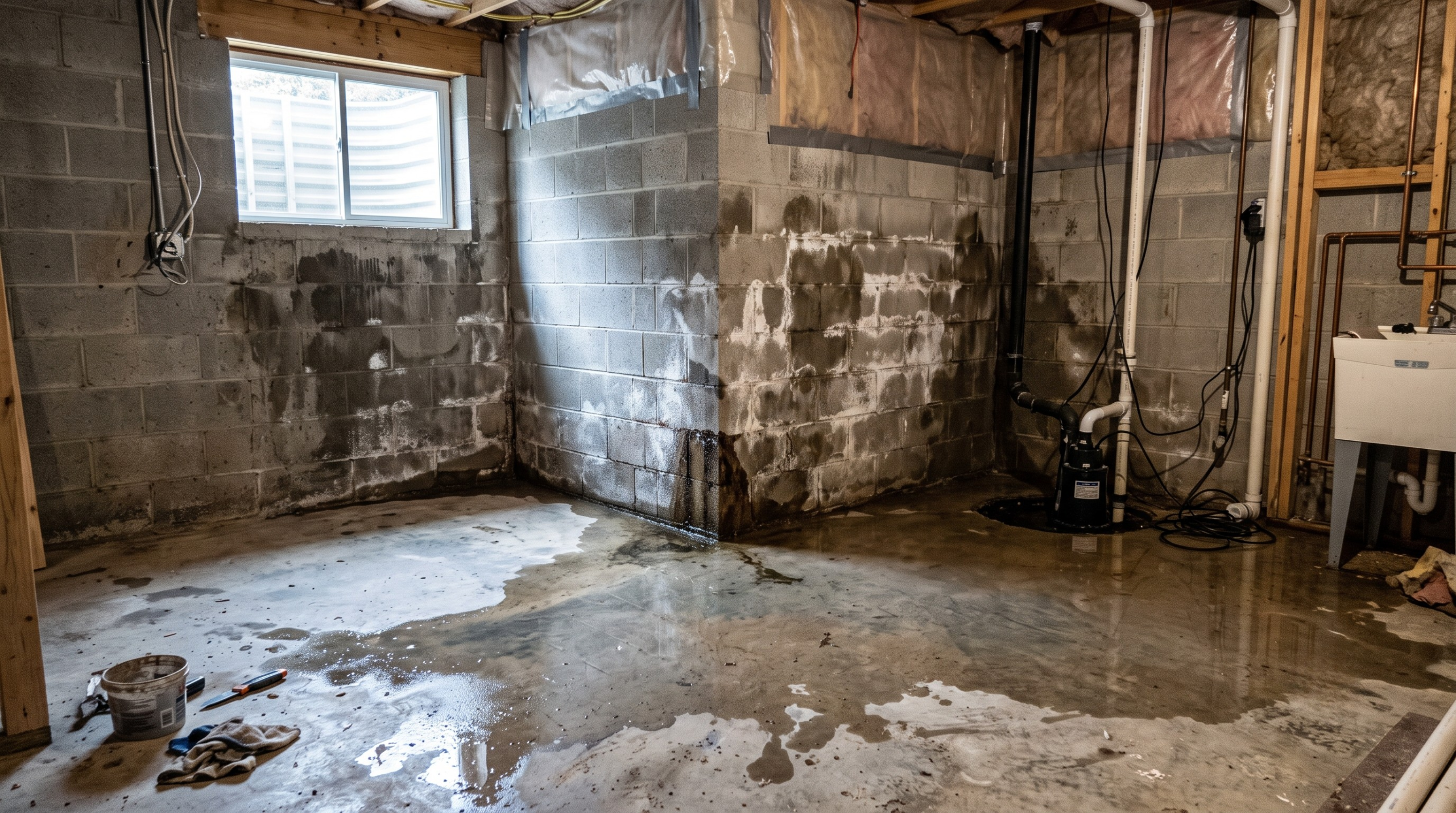
Before deciding on a waterproofing method, it’s crucial to understand the extent of your basement’s moisture issues. Signs of basement water problems include: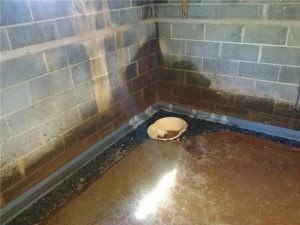
- Water stains on walls and flooring
- Mold and mildew growth
- Musty odors
- Efflorescence on walls
- Peeling paint or wallpaper
These indicators help determine the severity of the issue and guide the selection of the most appropriate waterproofing strategy.
Exterior Waterproofing Methods
Exterior waterproofing is often considered the most effective form of waterproofing as it tackles the problem at its source — outside your home.
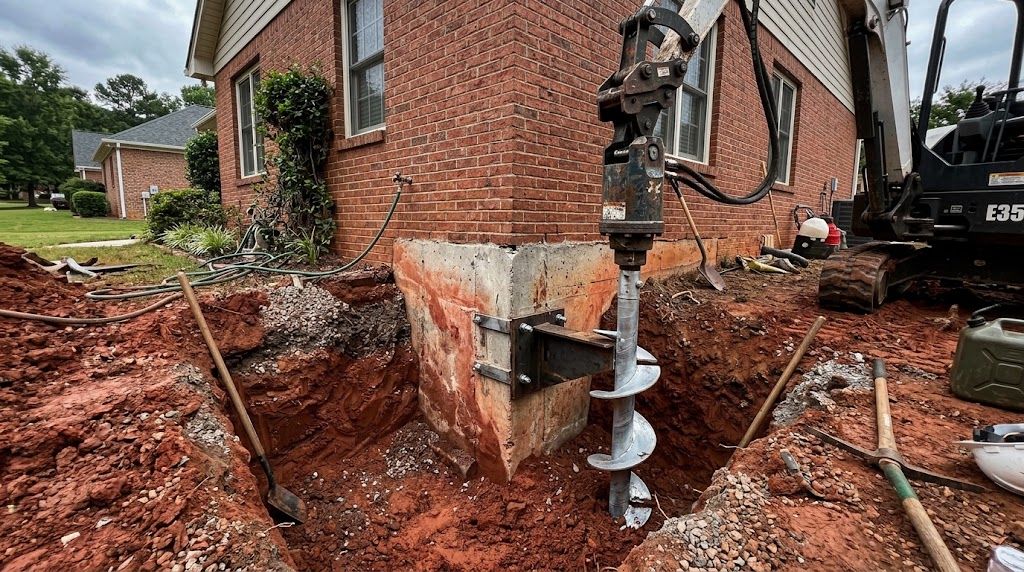
1. Excavation
The process involves excavating the soil around the home’s foundation. Waterproof coatings or membranes are then applied to the exterior walls. Although labor-intensive, this method offers a long-term solution to basement water issues.
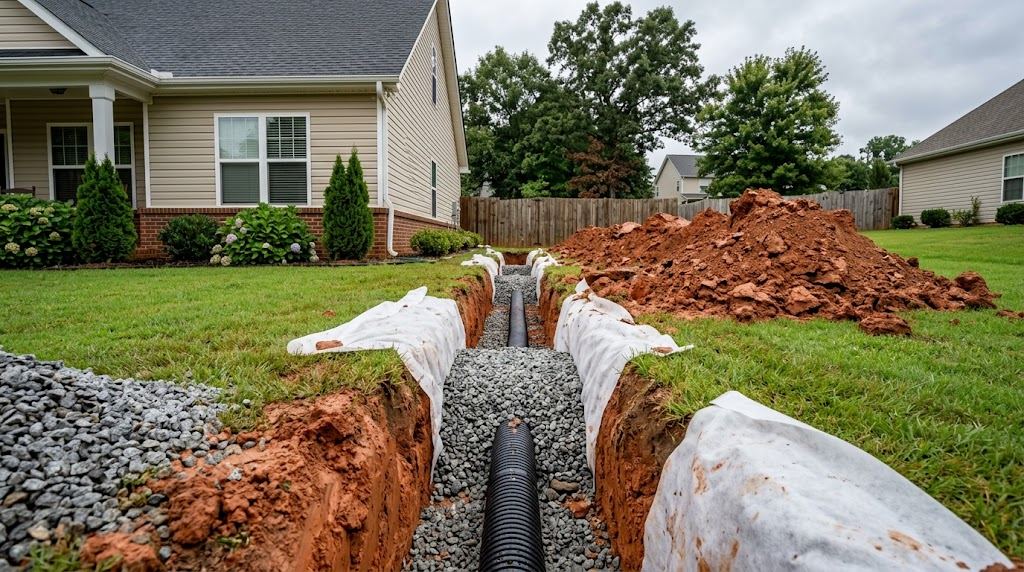
2. French Drains
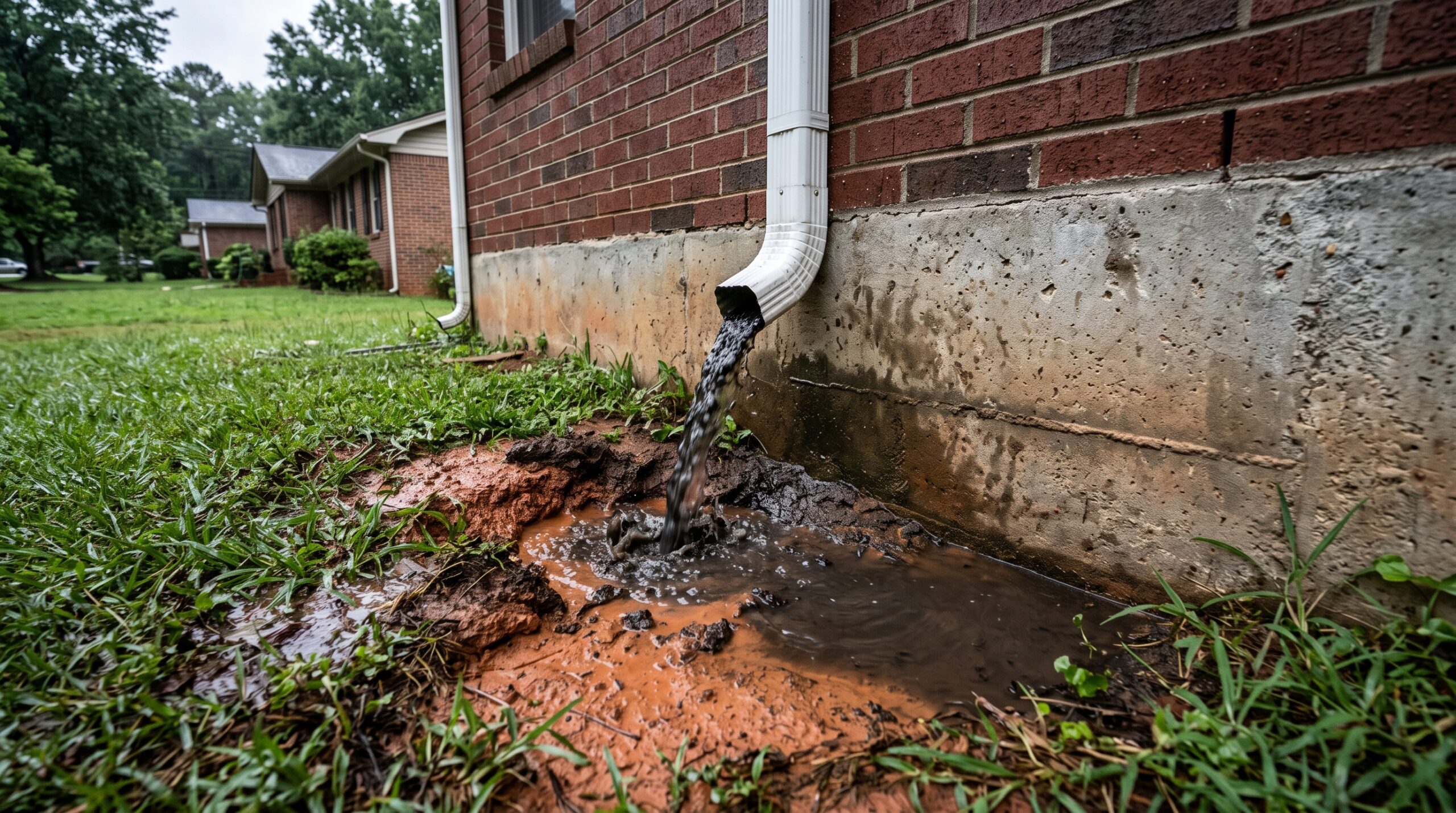
Installing a French drain involves creating a trench around the perimeter of the foundation to collect and redirect surface water and groundwater away from the home. This method is highly effective in preventing water from reaching the basement walls.
3. Waterproof Membranes and Coatings
Rubber or polymer-based membranes can be applied directly to the exterior foundation walls. These coatings are highly impermeable and protect against water penetration.
Interior Waterproofing Methods
Interior waterproofing methods are used to manage water that has entered the basement and direct it back outside.
1. Sealants
Cracks and holes in basement walls and floors can be sealed with waterproof sealants. While sealants can temporarily prevent water ingress, they do not address the source of water outside the basement walls.
2. Interior Drain Tile Systems
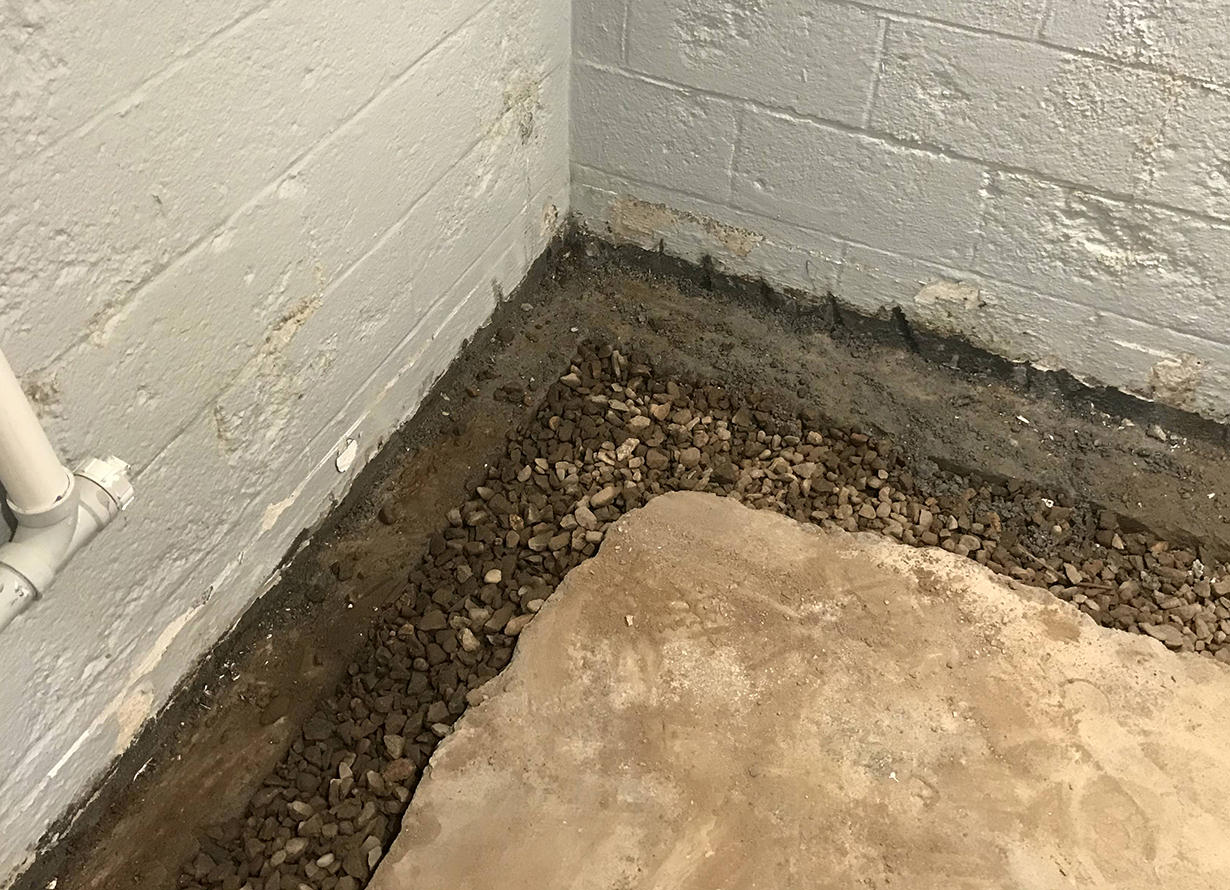
An interior drain tile system involves installing a perforated pipe around the interior perimeter of the basement floor. Water that enters the basement is captured by the drain and redirected to a sump pump, which then pumps it out away from the home.
3. Sump Pumps
Sump pumps are essential in areas with high water tables, such as many parts of Georgia. Installed in the lowest part of a basement, a sump pump collects and expels water that has accumulated inside the basement to prevent flooding.
Innovative Waterproofing Solutions
1. Crystalline Waterproofing
This technology uses a crystalline compound that reacts with water and concrete to form a waterproof barrier. It is particularly useful for patching leaks in concrete structures.
2. Vapor Barriers
These are used on the interior side of the basement walls to prevent moisture from passing through. Vapor barriers are typically made of plastic or foil sheets.
Choosing the Right Method
The choice of waterproofing methods depends on several factors, including:
- The level of groundwater around the building
- The condition and age of the foundation
- Budget constraints
- Local soil conditions
Local Considerations in Georgia
Given Georgia’s climate and geology, it’s important to consider local factors such as:
- High Humidity Levels: Ensuring adequate ventilation and dehumidification in addition to waterproofing is crucial in Georgia.
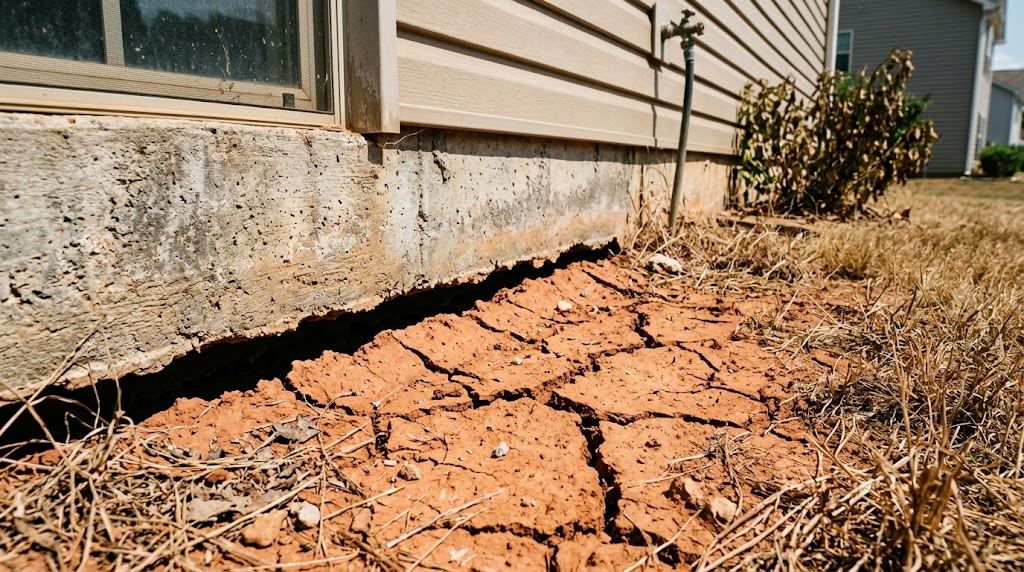
- Clay Soil: The expansive nature of Georgia’s red clay can exert additional pressure on basement walls. Proper drainage systems are essential to alleviate this pressure.
Effective basement waterproofing is a critical component of home maintenance in Georgia. Whether opting for external or internal waterproofing methods, homeowners should consider a combination of solutions to effectively manage basement moisture. Consulting with a professional waterproofing contractor who understands the specific challenges posed by Georgia’s environment is advisable to ensure that the chosen method provides long-lasting protection and peace of mind.
By taking proactive steps to address basement waterproofing, homeowners in Georgia can protect their investments, improve their living conditions, and avoid the hassles associated with water damage.
Contact the Professionals at CGS Waterproofing Today! (404) 234-0248