
The foundation of a building is critical to its structural integrity. Over time, however, foundations can develop problems due to a variety of factors such as soil conditions, water damage, and natural settlement. These issues can lead to significant damage if not addressed properly. This comprehensive article will explore the various methods available for foundation repair, helping homeowners understand their options to maintain the stability and safety of their homes.
Understanding Foundation Problems
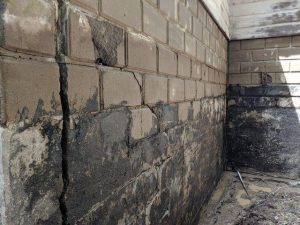
Before delving into repair methods, it’s important to recognize the common signs of foundation problems, which include:
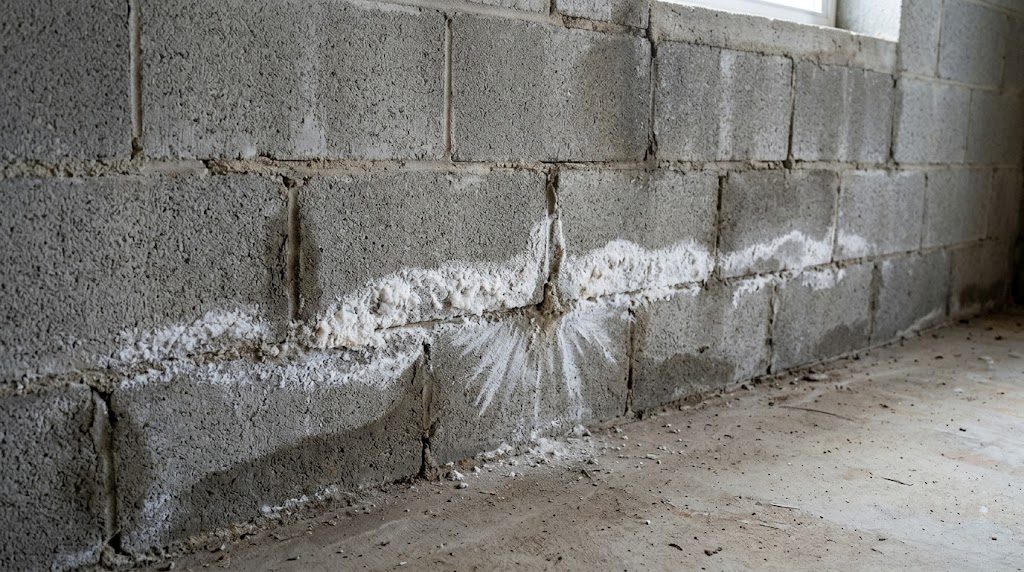
- Cracks in walls or floors
- Doors or windows that stick or won’t close properly
- Uneven or sagging floors
- Gaps around window frames or exterior doors
- Bulging or leaning walls
These symptoms can indicate underlying issues that might require professional assessment and intervention.
Common Causes of Foundation Damage
Understanding the causes of foundation damage can help in choosing the right repair method: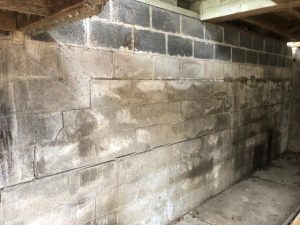
- Soil Shrinkage, Expansion, or Poor Compaction: Different soil types beneath the structure can lead to movement. For instance, clay soils are prone to expansion and contraction with moisture changes, which can cause shifting and damage.
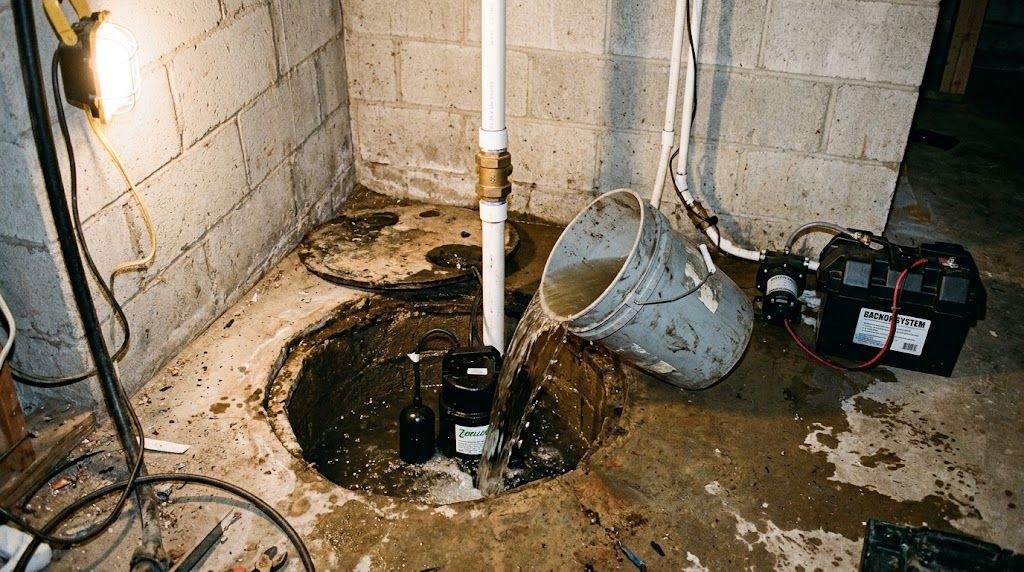
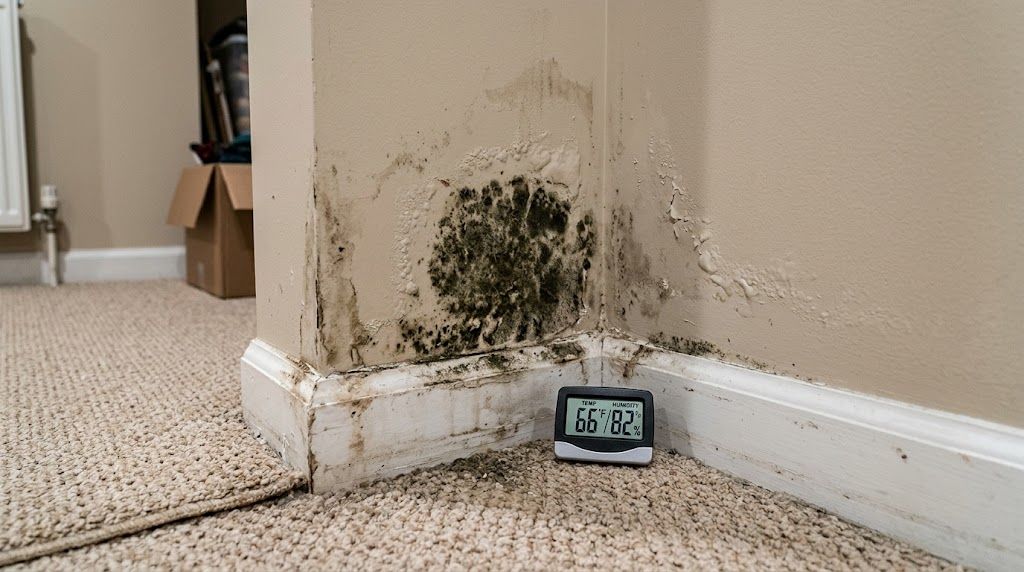
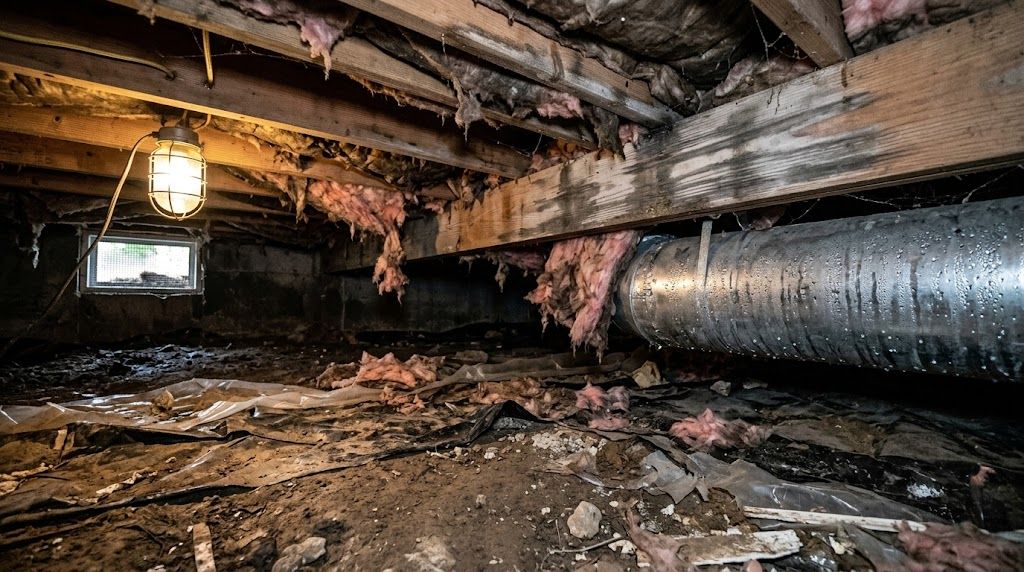
- Excessive Moisture: This can be due to poor drainage around the building’s perimeter, plumbing leaks, or high groundwater levels. Moisture causes soils to swell or soften, leading to settlement.
- Improper Construction: Insufficient foundation depth or inadequate building materials can also lead to foundation failures.
- Age of Structure: Older buildings are more susceptible to foundation problems due to long-term stress and degradation of materials.
Professional Foundation Repair Methods
Several professional methods are available to repair foundation damage, each suitable for different types and severities of foundation issues:
1. Underpinning
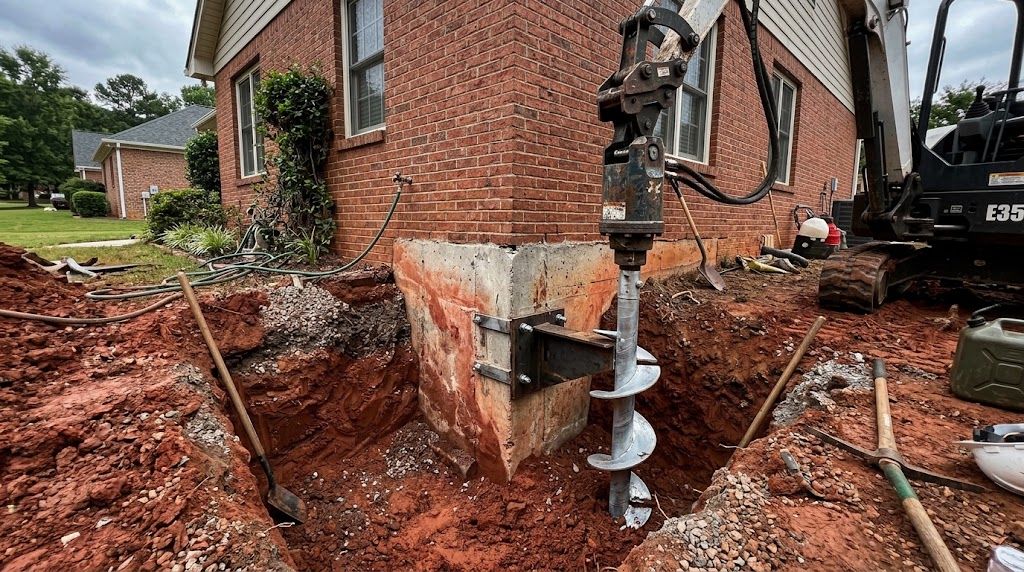
- Steel Piers: This method involves driving steel posts through unstable soil and hydraulically lifting the foundation to the original level. It is often considered a permanent solution that is effective for significant foundation settlement and instability.
- Helical Piers: Similar to steel piers, these are screwed into the ground and used primarily for lighter structures, deck posts, or slabs. They are also useful when there is a need to stabilize the foundation without a heavy load.
2. Slabjacking or Mudjacking
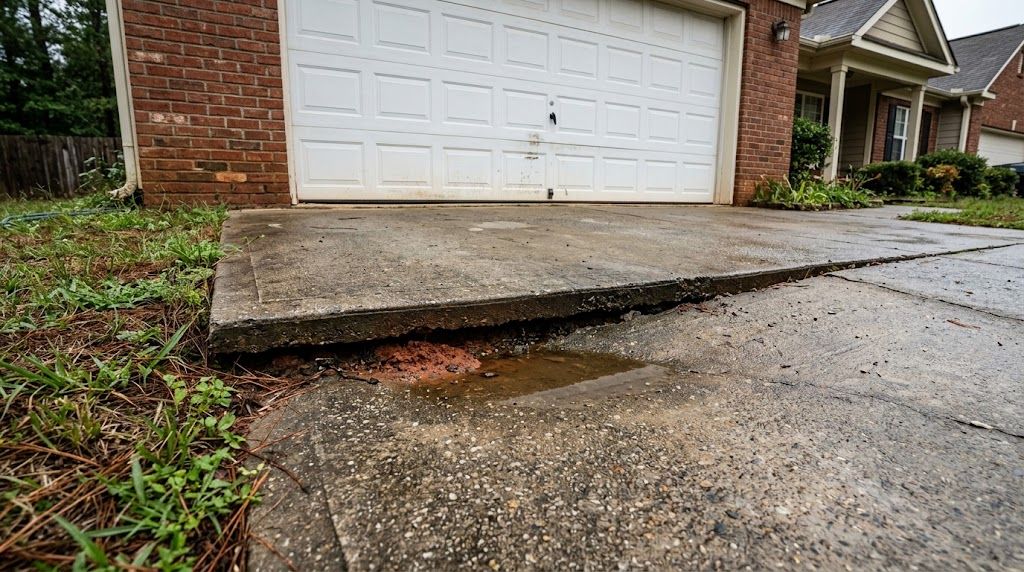
This method involves pumping a cement grout or polyurethane foam under a sunken concrete slab to raise it back to its original level. It’s a cost-effective solution for smaller adjustments where the overall stability of the foundation isn’t compromised.
3. Segmented Piers
This is a less expensive alternative for underpinning, using segmented concrete pieces that are pressed into the soil. While not as deep-reaching as steel piers, they can provide adequate stabilization for certain types of homes.
4. Wall Anchors
Wall anchors are used to correct bowed or leaning walls. This method involves placing several anchors in the ground outside the home, which are then connected to the walls with rods. By tightening the rods, the walls are pulled back into place over time.
5. Carbon Fiber Straps
Carbon fiber is used to reinforce cracked or bowed walls. This method does not involve excavation and can be a less intrusive option for stabilizing foundation walls internally.
6. Soil Modification
This technique involves altering the soil properties around the foundation to improve its bearing capacity and reduce water content. Techniques include soil grouting, where a stabilizing compound is injected into the soil, or moisture barriers that prevent excessive wetting of soils.
DIY Foundation Repair Tips
For minor issues, some homeowners may consider DIY approaches:
- Sealing Cracks: Small cracks in the foundation can be sealed using epoxy or polyurethane foam. While this doesn’t solve structural problems, it can prevent water from entering and exacerbating the issue.
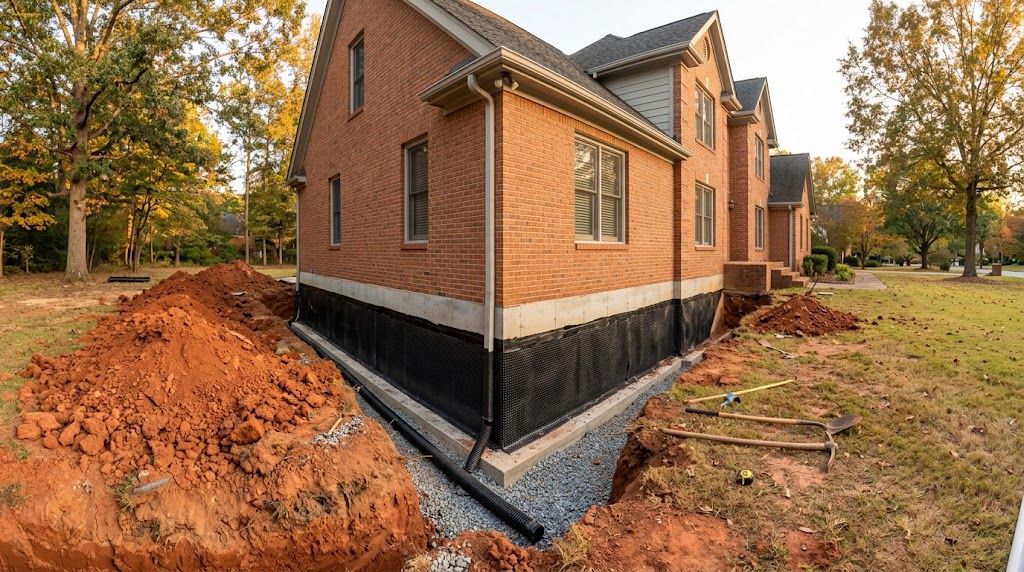
- Improving Drainage: Ensuring that water flows away from the foundation—by adjusting gutters, downspouts, and the slope of the land—can prevent moisture-related soil expansion or contraction.
Choosing the Right Method
Selecting the appropriate foundation repair method depends on several factors including the severity of the damage, the cause of the problem, and the type of foundation. Consulting with a structural engineer or a professional foundation repair service is essential to diagnose the specific issues and recommend the most effective repairs.
Foundation problems can undermine the safety, functionality, and value of a home. Understanding the various repair options available can empower homeowners to take informed action. Whether opting for a professional solution like underpinning or simpler preventive measures, addressing foundation issues promptly can save significant costs and hassles in the long run. For any foundation repair, the key is to act swiftly and choose the right method to ensure the longevity and stability of your home.
Contact the Professionals at CGS Waterproofing Today! (404) 234-0248