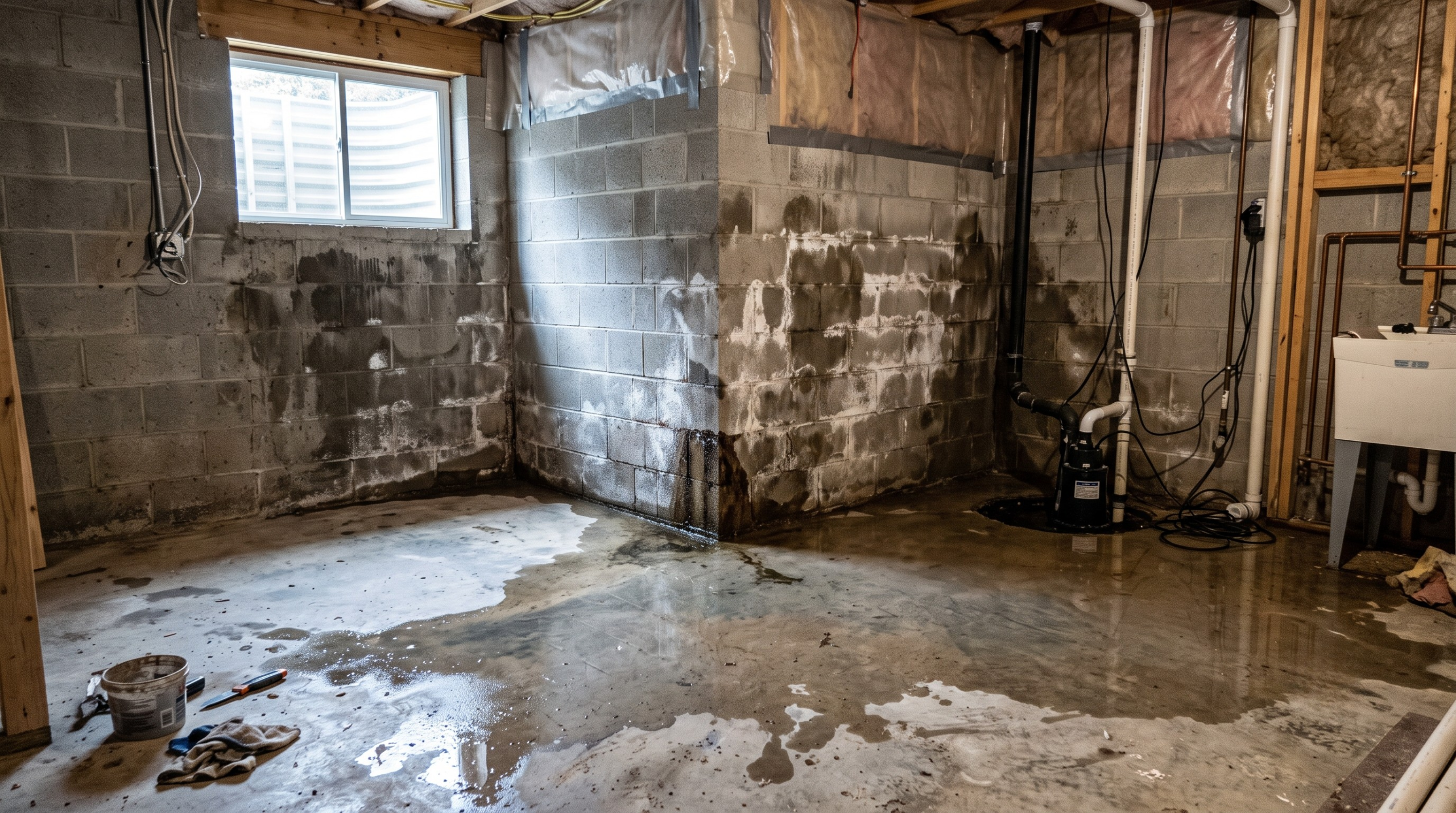
Common Causes of Water Near Commercial Foundations After Rain
Seeing water pool around your commercial building’s foundation after a heavy rain is a serious red flag. This isn’t just a cosmetic problem; it can indicate underlying issues that compromise your building’s structural integrity. Addressing these problems quickly is crucial, especially in areas like the
Atlanta metro where sudden, intense downpours are common. Ignoring this warning sign can lead to costly repairs, health hazards from mold, and even operational disruptions for your business.
Commercial buildings often have water near their foundations after rain due to common problems. These include failing exterior drainage systems, pre-existing foundation cracks, or hidden leaks from underground utility lines. Saturated soil creates hydrostatic pressure, forcing water through structural weaknesses. Prompt attention is vital to prevent severe damage.Several factors can contribute to water accumulation, ranging from surface-level drainage problems to deeper structural defects or utility issues. The type of soil, the age of the building, and the effectiveness of existing waterproofing measures all play a role. For many businesses in
Gwinnett County, understanding these causes is the first step toward a lasting solution. Acting fast prevents minor issues from escalating into major expenses.
Poor Drainage Systems
One of the most frequent culprits for water near commercial foundations after rain is an inadequate or failing drainage system. When rainwater isn’t efficiently directed away from your building, it naturally seeks the path of least resistance – often straight down towards your foundation. This is a common issue for many properties, particularly those in older business districts around Norcross.
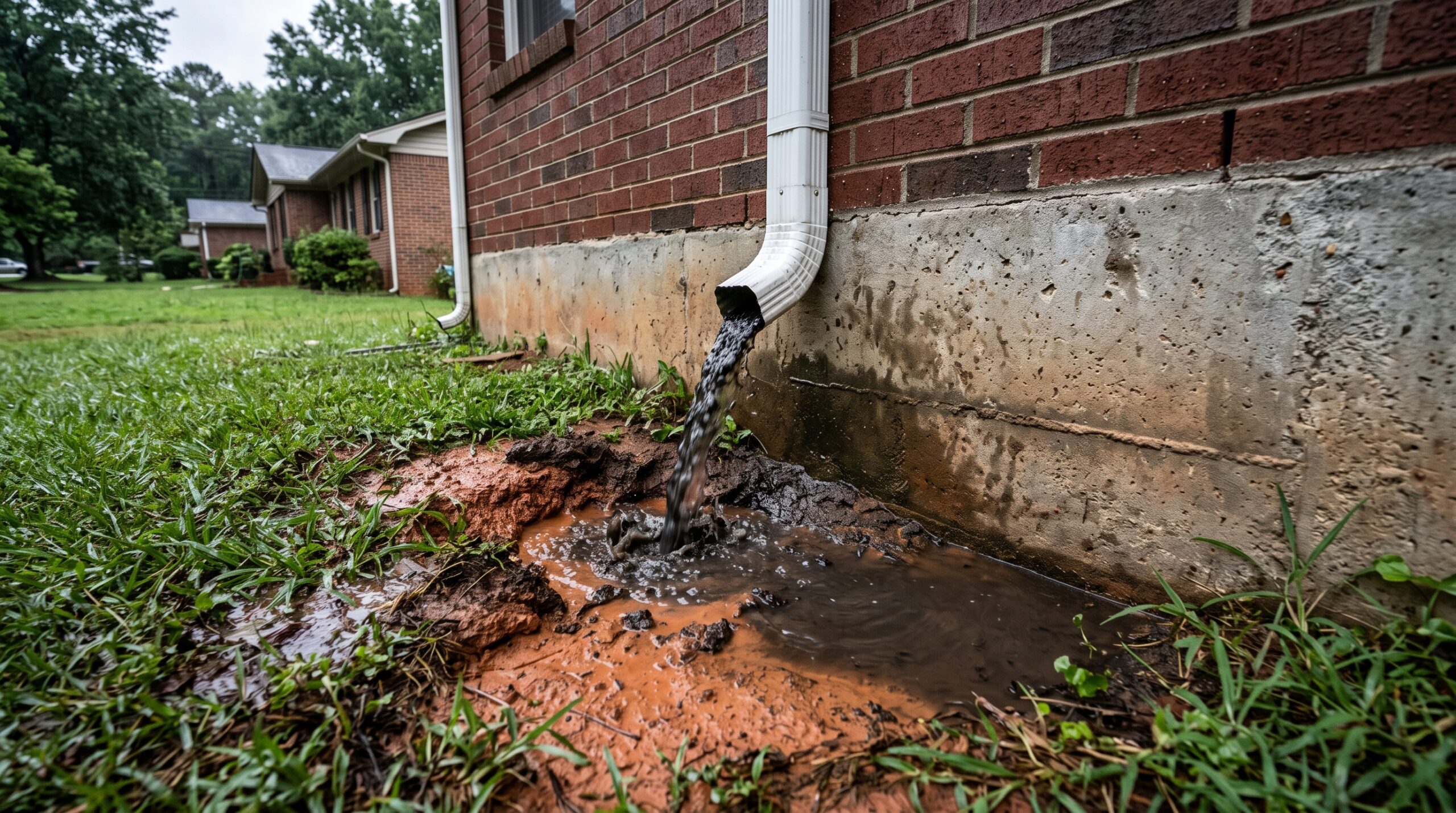
- Clogged Gutters and Downspouts: If your building’s gutters are clogged with leaves or debris, they cannot properly channel rainwater. This causes water to overflow, cascading directly next to the foundation walls. Similarly, downspouts that discharge too close to the building simply dump large volumes of water exactly where you don’t want it.
- Improper Grading and Landscaping: The ground around your commercial building should ideally slope away from the foundation. If the landscape is flat or, worse, slopes towards the building, rainwater will naturally collect and saturate the soil against your foundation. This creates immense hydrostatic pressure.
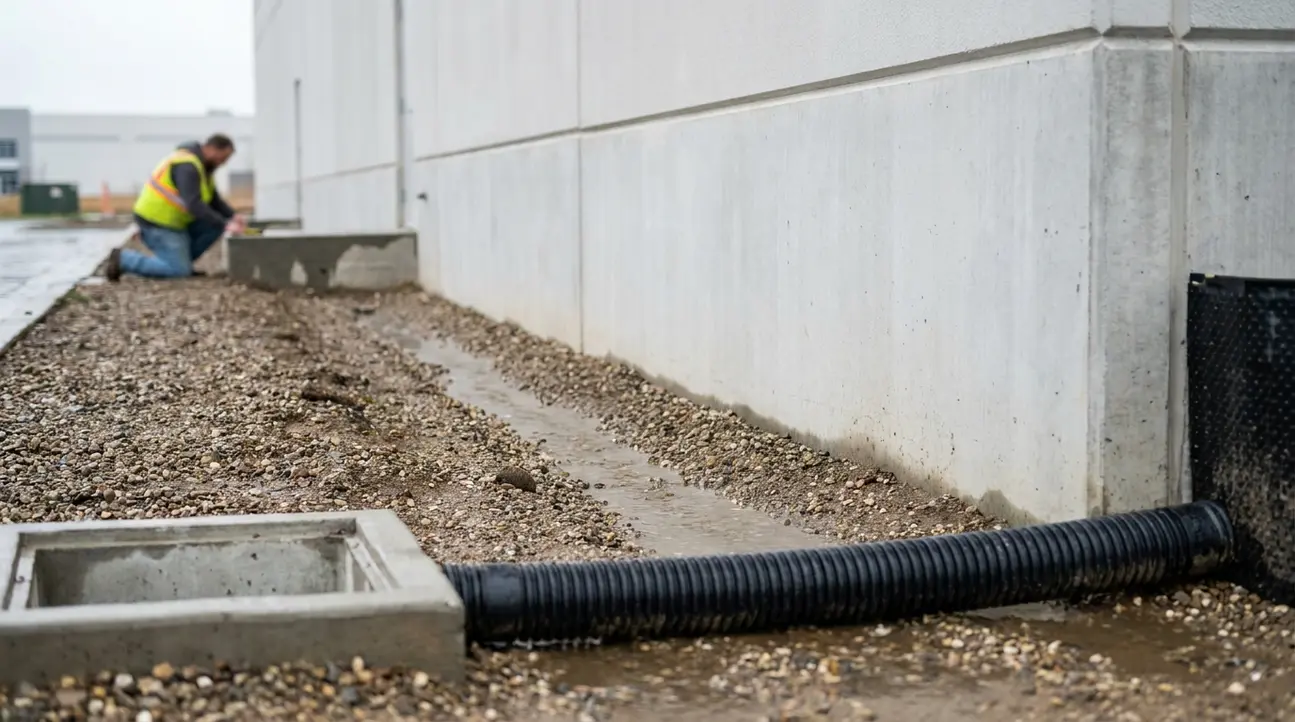
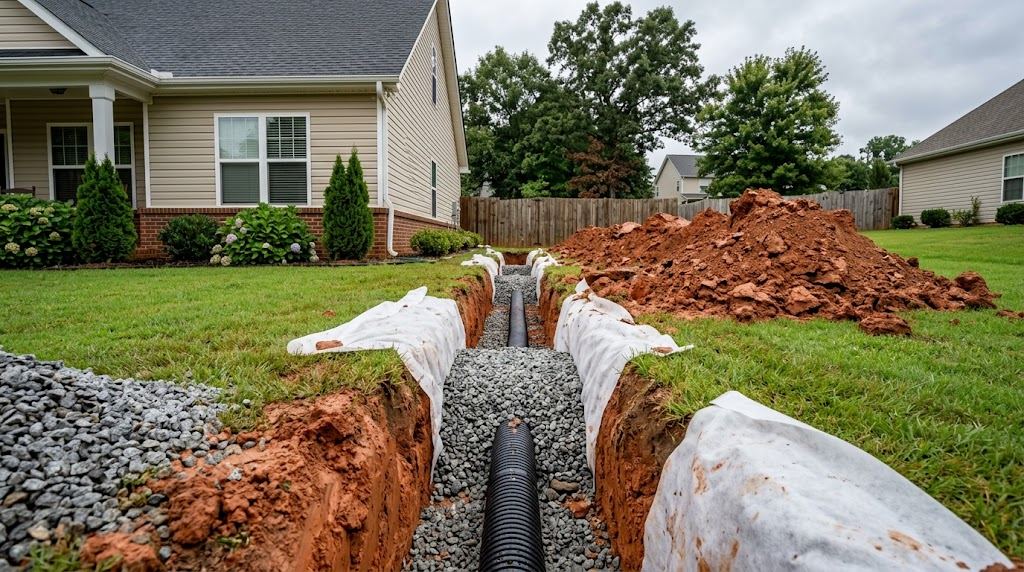
- Failed Exterior Drains: French drains or other exterior perimeter drains are designed to collect and redirect subsurface water. If these systems are clogged, crushed, or improperly installed, they become ineffective. Water then builds up against the foundation, finding its way through any tiny crack or porous material. Regular maintenance is key to their effectiveness.
Foundation Cracks and Structural Issues
Even with excellent drainage, water can still infiltrate your commercial building’s foundation if there are existing cracks or other structural vulnerabilities. These issues can develop over time due to various environmental and structural factors. It’s not uncommon for buildings in
DeKalb County, with its diverse soil types, to experience soil movement that contributes to these problems.When heavy rains saturate the ground, the soil expands and puts increased pressure on foundation walls. This
hydrostatic pressure can push water through even hairline fissures. Over time, these small cracks can widen, allowing more significant water intrusion.
- Age and Wear: Older commercial buildings naturally show signs of wear and tear, and their foundations are no exception. Repeated freeze-thaw cycles, common in Georgia winters, can exacerbate existing cracks or create new ones. The constant expansion and contraction of concrete weakens its integrity over decades.
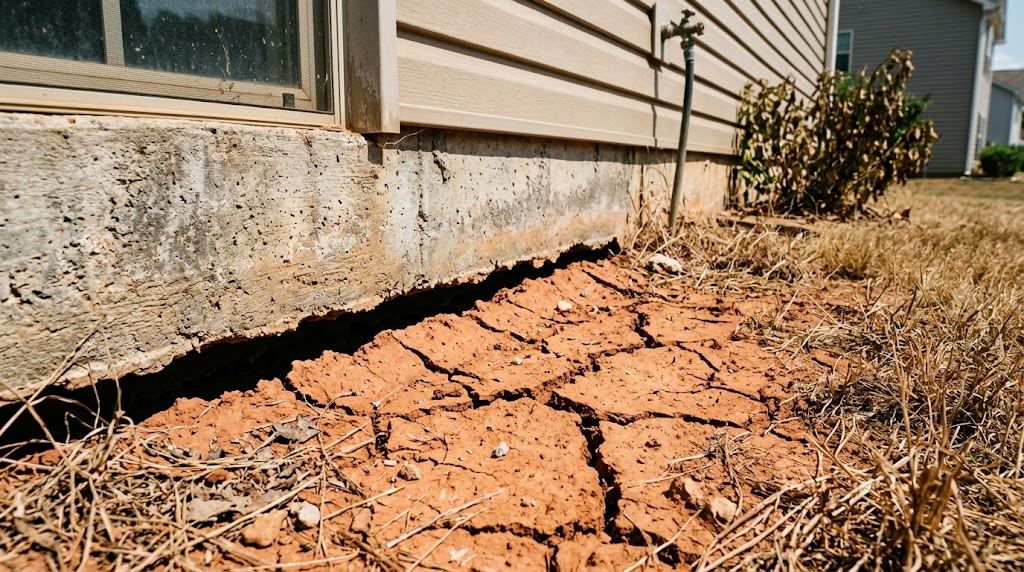
- Shifting Soil: The expansive clay soils found across much of Georgia, particularly in areas like Forsyth County, can be highly reactive to moisture changes. When these soils get wet, they swell, and when they dry out, they shrink. This constant movement can place significant stress on a foundation, leading to cracks, settlement, and uneven pressure points.
- Poor Construction: Sometimes, foundation issues stem from original construction flaws, such as inadequate concrete mix, improper rebar placement, or insufficient curing. These underlying weaknesses can become apparent years later when subjected to heavy loads or persistent moisture. A professional inspection can often identify such deep-seated problems.
Issues with Underground Utilities or Pipes
Sometimes the source of water near your commercial building’s foundation after rain isn’t from the sky at all, but from
below ground. Leaks from underground utility lines or pipes can saturate the soil near your foundation, mimicking the effects of heavy rainfall. These are often the trickiest problems to diagnose and can lead to persistent water issues.Water or sewer lines that run beneath or adjacent to your commercial property are constantly under pressure. Over time, these pipes can corrode, crack, or suffer damage from ground movement or construction. Even a small leak can release hundreds of gallons of water into the surrounding soil, especially after rain when the ground is already saturated. This raises the water table around your foundation.
- Leaking Water Lines: A steady drip or slow leak from a potable water supply line can saturate the earth, creating a constant source of moisture. These leaks are often hidden deep underground and may only become evident when water starts appearing near the foundation. Utility bills might show a sudden increase, providing an early clue.
- Damaged Sewer or Storm Drains: Sewer pipes carrying wastewater and storm drains managing runoff can also develop cracks or blockages. If these lines leak, contaminated water can seep into the soil. Not only does this contribute to foundation issues, but it also poses significant health and environmental risks.
- Neighboring Property Issues: Sometimes, the source of a leak isn’t even on your property. A damaged water main or storm drain on an adjacent commercial lot can still lead to water migrating toward your building’s foundation, especially if the ground slopes in your direction. Identifying these hidden culprits requires specialized detection equipment and expertise.
Importance of Professional Inspection and Solutions
When you observe water near your commercial building’s foundation after rain, understanding the “why” is paramount. Given the complexity and potential severity of foundation problems, relying on professional expertise is crucial for businesses across the
Atlanta metro area. A thorough inspection goes beyond surface-level observations to identify the true cause of the water intrusion.A professional waterproofing and foundation expert can utilize specialized tools and techniques to accurately diagnose the problem. They can assess your drainage systems, inspect for foundation cracks, and even detect hidden underground utility leaks. This comprehensive approach ensures that the root cause is addressed, not just the symptoms.Solutions can vary widely based on the diagnosis, including:
- Exterior Waterproofing: This involves applying waterproof membranes or coatings to the foundation walls from the outside. It’s a robust solution for preventing water penetration.
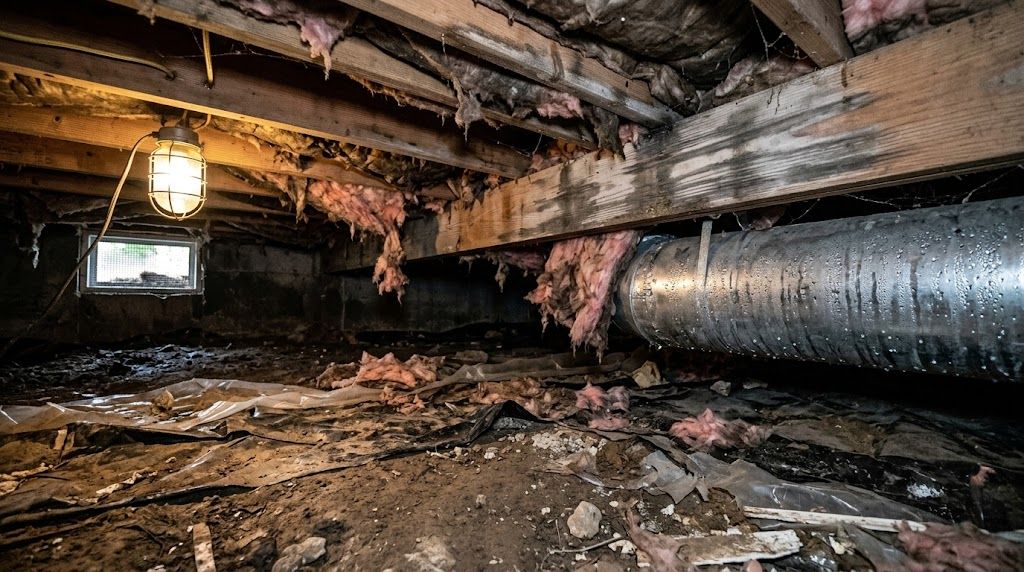
- Interior Drainage Systems: Installing interior perimeter drains and sump pumps can effectively collect and remove water that has already entered the basement or crawl space.
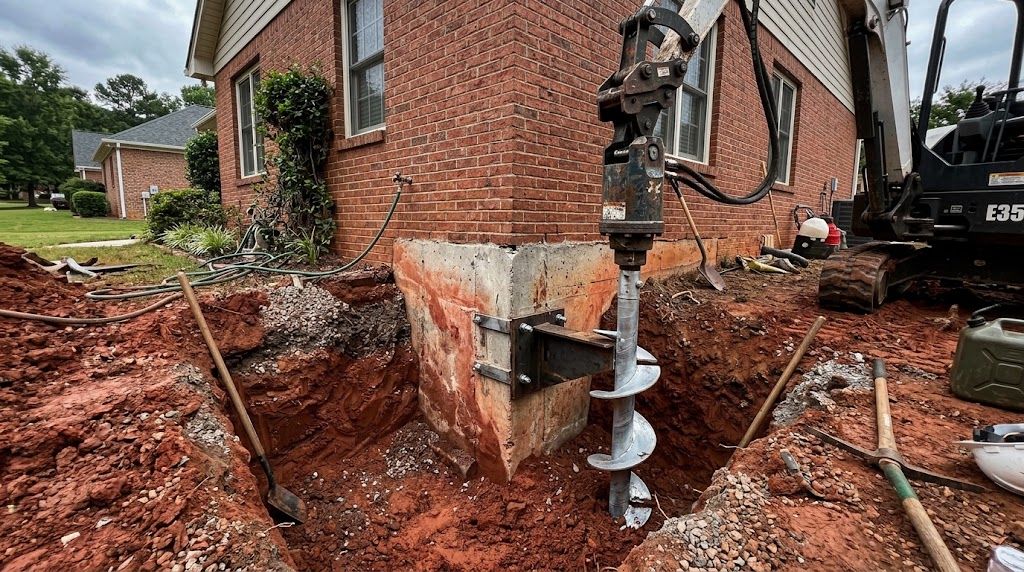
- Foundation Repair: Addressing cracks, bowing walls, or settling foundations with techniques like crack injection, carbon fiber straps, or helical piers restores structural integrity.
- Drainage System Improvements: This could include re-grading the landscape, installing French drains, extending downspouts, or repairing/replacing clogged gutters.
At CGS Waterproofing & Foundations, we understand the unique challenges faced by commercial property owners in Georgia. Our team of experienced professionals serves clients from
Norcross to the furthest reaches of
Forsyth County, providing tailored, reliable solutions to protect your investment. Don’t let water damage compromise your business; an expert assessment is your best first step.