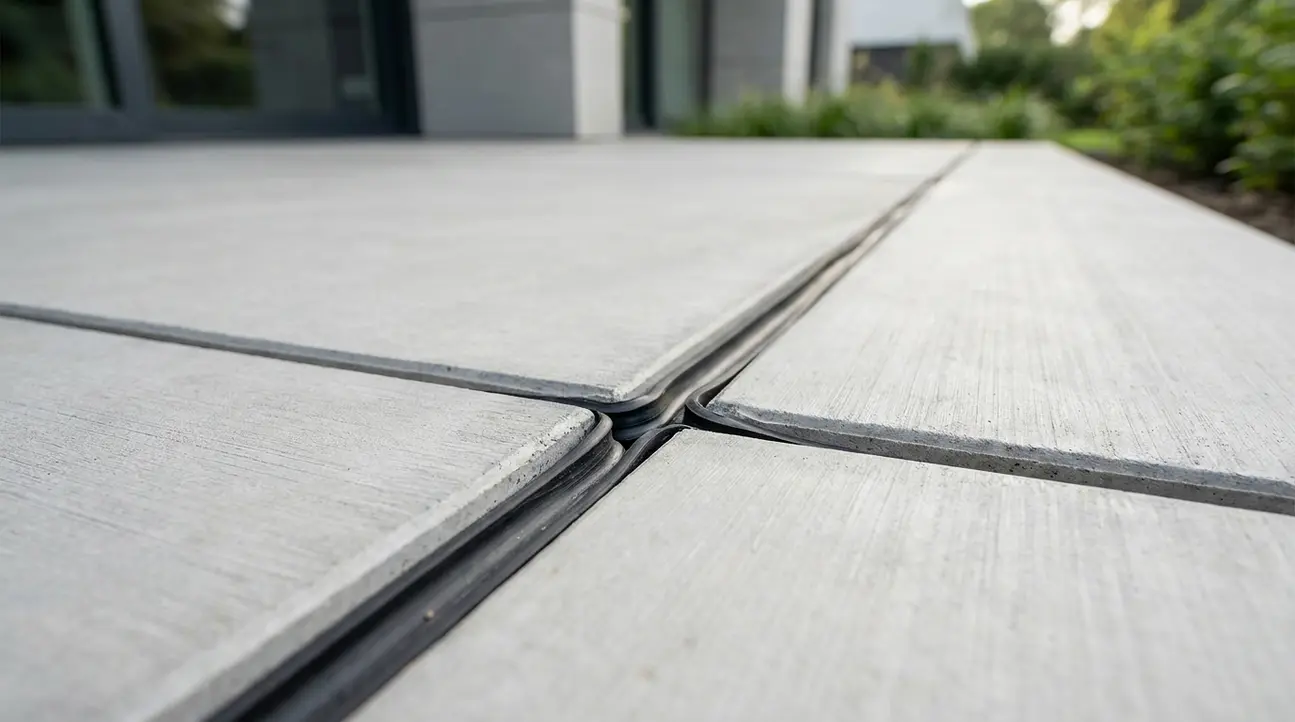
Noticing gaps or widening in your concrete expansion joints can be unsettling, signaling potential underlying issues with your property’s foundation or surrounding soil stability.
In Georgia, our unique red clay soil, humid summers, and heavy rains often exacerbate these problems. This article explains why expansion joints open up, focusing on what Atlanta-area homeowners need to know and when to seek expert help.
What Exactly Are Concrete Expansion Joints?
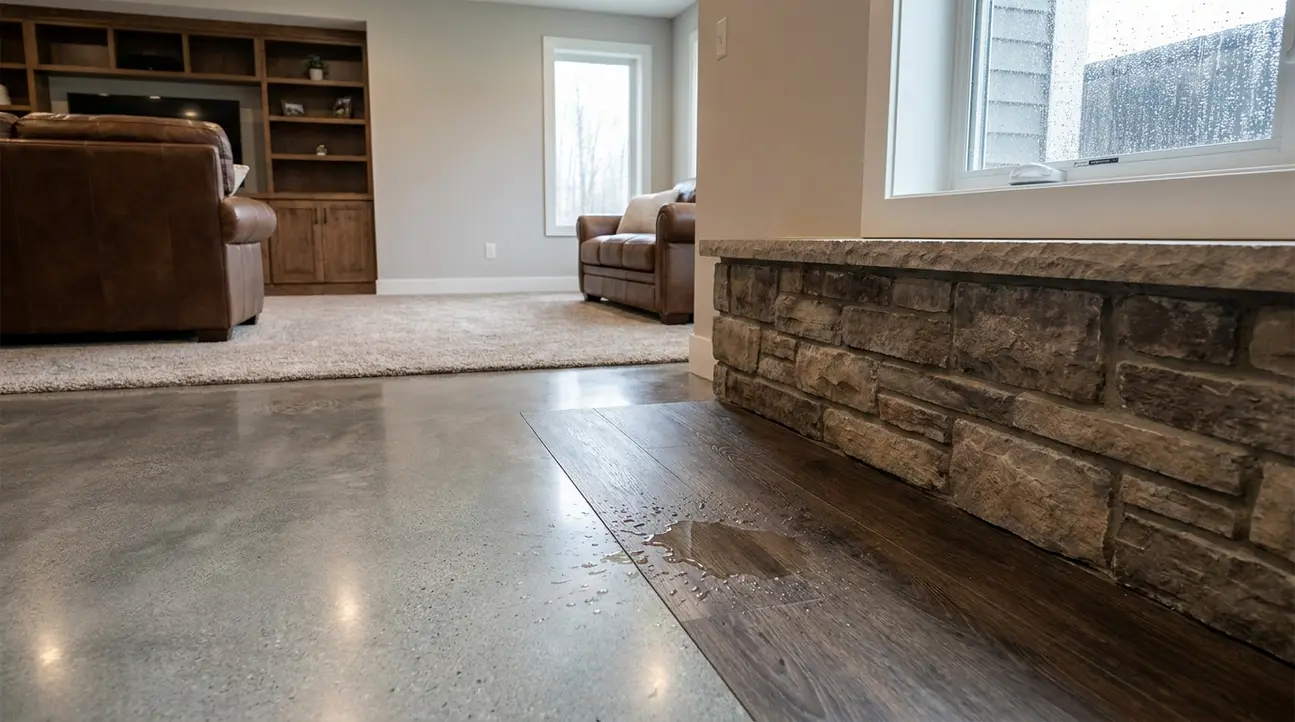
Concrete expansion joints are deliberately created separations or gaps within a concrete slab. They are not merely decorative lines. Their primary purpose is to allow for the natural movement of concrete. This movement happens due to temperature changes and moisture fluctuations.
Without these crucial joints, concrete would be forced to crack under the stress of expansion and contraction. You typically find them in larger concrete surfaces like patios, driveways, sidewalks, and even some basement floors. These joints control where any potential cracking occurs, keeping the slab’s integrity intact.
These gaps are usually filled with flexible materials. Common fillers include asphalt, rubberized compounds, wood, or even plastic strips. These materials provide a cushioning effect, allowing the concrete to move without friction or damage.
Top Reasons Why Expansion Joints Open Up
Expansion joints in concrete open up primarily due to concrete’s natural shrinkage during curing, material degradation from weather and age, and constant temperature fluctuations causing slabs to expand and contract. Poor initial installation, with improper spacing or filler, also significantly contributes to these gaps widening over time.
Several factors contribute to these essential separations beginning to widen and fail. Understanding these reasons is the first step toward finding a lasting solution.
- Concrete Shrinkage: When concrete is poured, it contains a significant amount of water. As this water evaporates during the curing process, the concrete naturally shrinks. This initial shrinkage can pull the slab away from the joint filler.
- Poor Installation: Sometimes, expansion joints are not installed correctly from the start. This can include improper spacing between joints, insufficient depth of the joint itself, or using the wrong type of filler material. An incorrectly installed joint cannot perform its job effectively.
- Material Degradation: The filler materials within expansion joints are constantly exposed to the elements. Over time, sunlight (UV radiation), rain, fluctuating temperatures, and even foot or vehicle traffic can cause these materials to dry out, crack, or disintegrate. This leaves open gaps.
- Temperature Fluctuations: Concrete, like most materials, expands when it’s hot and contracts when it’s cold. While expansion joints are designed to accommodate this, extreme and constant temperature swings can put immense stress on the joints and the surrounding concrete. This can exceed the filler’s capacity, causing it to fail or pull away.
Georgia’s Unique Challenges for Concrete & Joints
Georgia’s specific climate and soil conditions present unique challenges for concrete slabs and their expansion joints. Homeowners in the Atlanta metro area often face issues related to our local environment. These factors can accelerate the deterioration of concrete and its vital joints.
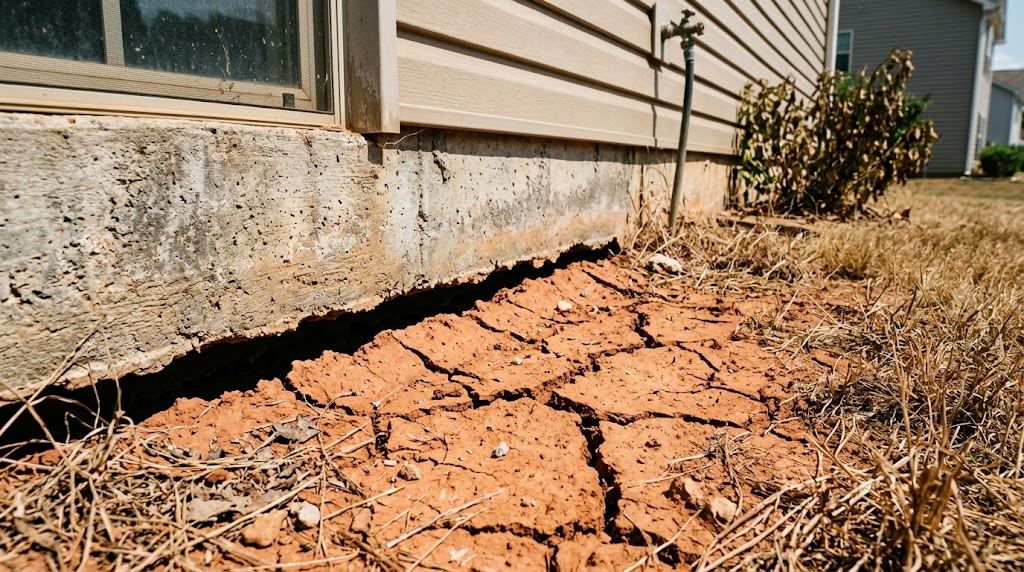
- Expansive Red Clay Soil: Much of Georgia, including counties like Gwinnett, Fulton, and DeKalb, is known for its distinctive red clay soil. This type of soil is highly expansive, meaning it swells significantly when wet and shrinks dramatically when it dries out. This constant movement beneath concrete slabs puts immense pressure on them, causing shifting and contributing to joint failure.
- Humid Climate: Georgia’s consistently high humidity levels play a role in moisture retention within the ground. This moisture contributes to the expansion and contraction cycles of our clay soil. Such conditions make it harder for concrete to stay stable.
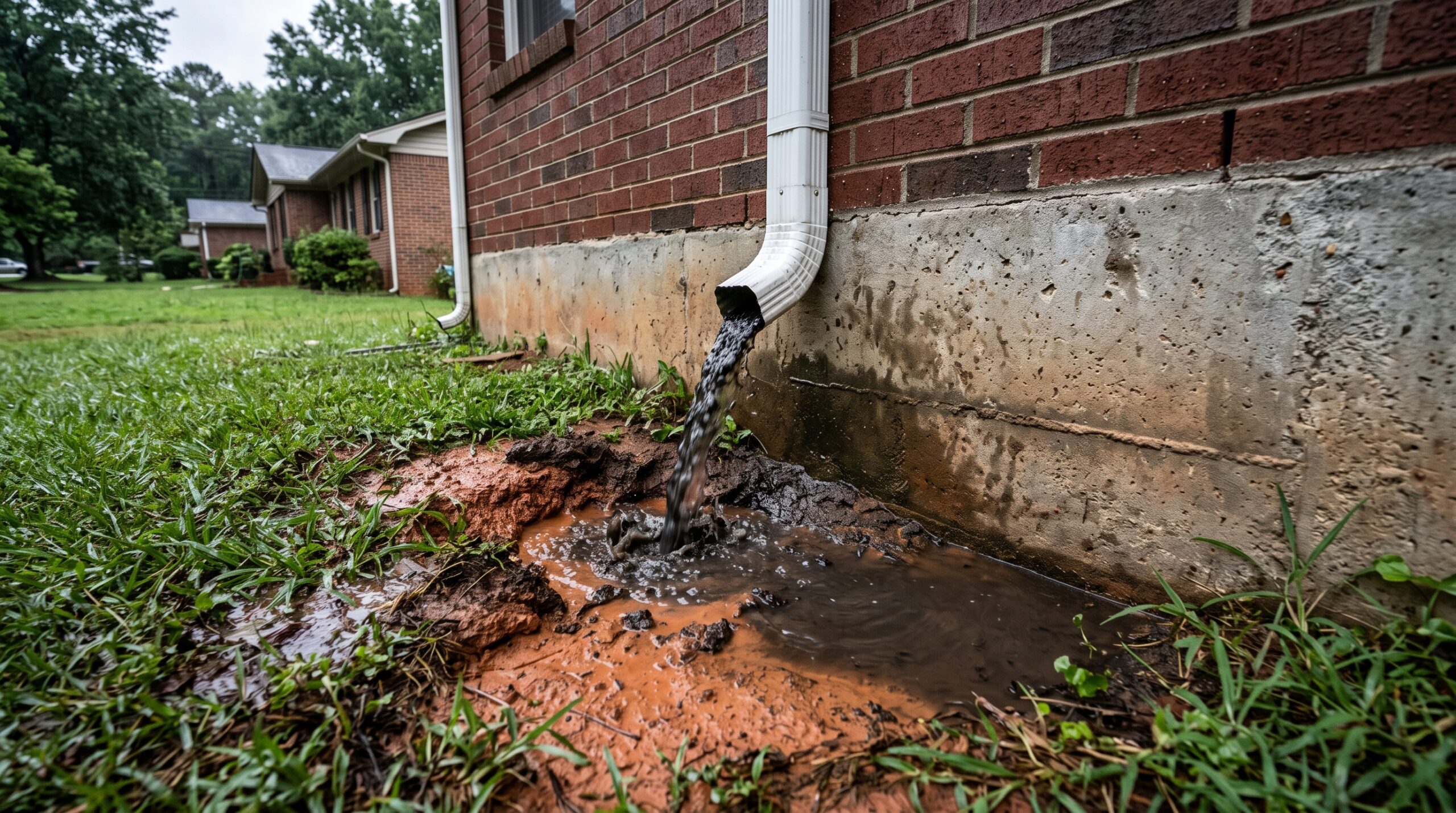
- Heavy Rainfall: The state experiences periods of heavy rainfall, especially during spring and summer storms. Excessive water can saturate the soil beneath concrete slabs. This leads to erosion of the sub-base material and can create voids. Water can also seep into existing open expansion joints, exacerbating problems like hydrostatic pressure.
Warning Signs Beyond the Expansion Joint
While opening expansion joints are a clear indicator of a problem, they are often just the tip of the iceberg. Other symptoms can signal deeper, more significant issues with your concrete slabs or even your home’s foundation. Being aware of these additional warning signs is crucial.
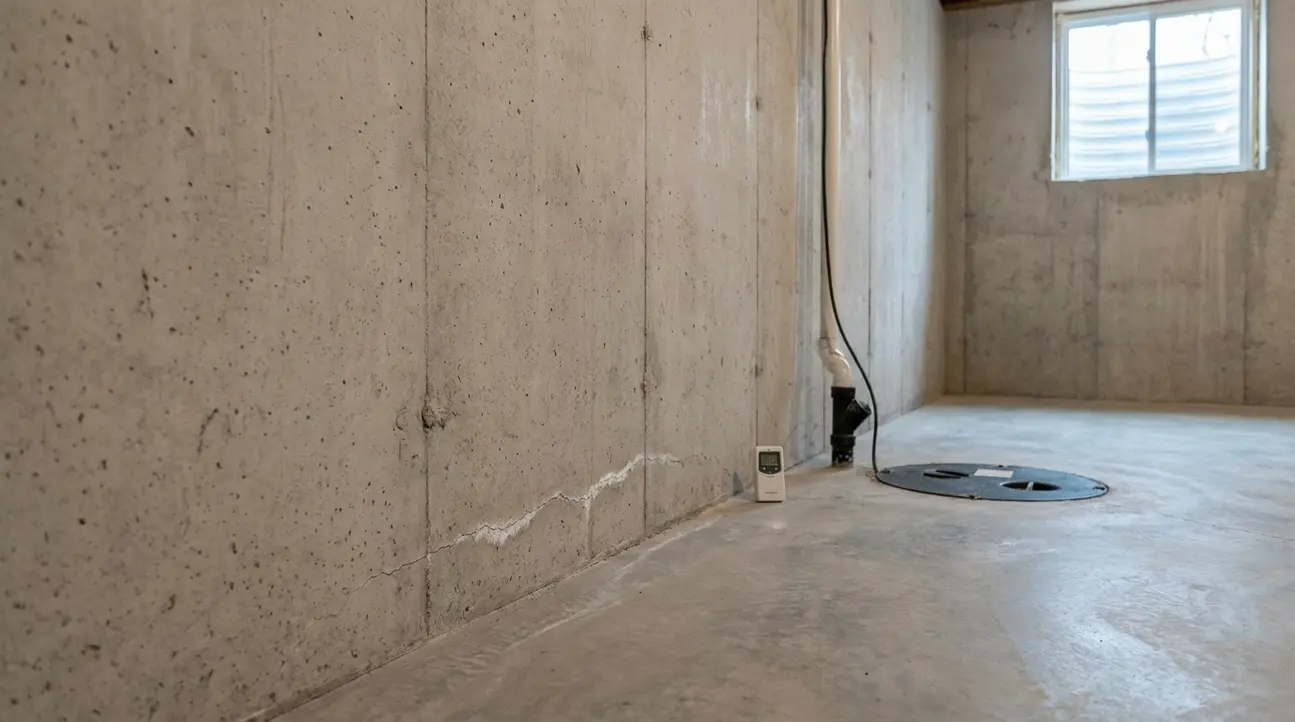
Look for various types of cracks appearing in your concrete. These can include vertical, horizontal, or step cracks across patios, driveways, or basement floors. These crack patterns suggest underlying stress or movement. They are often a direct result of unstable sub-base conditions or foundation shifts.
You might also notice sections of your concrete slabs becoming uneven or sinking. This “settling” indicates that the soil support beneath the slab is inadequate or has eroded away. Water pooling near expansion joints is another critical sign. This shows that water is not draining properly and can easily penetrate the sub-base.
Finally, observe any white, powdery residue known as efflorescence on the concrete surface. This is a crystalline salt deposit left behind when moisture evaporates from within the concrete. It clearly signals active water intrusion through the slab or its joints. All these symptoms point towards potential foundation or sub-base problems requiring professional assessment.
The Risks of Ignoring Opening Expansion Joints
Ignoring widening expansion joints in your concrete slabs can lead to a cascade of problems, far beyond just aesthetics. What seems like a minor issue can quickly escalate into significant and costly damage. Addressing these concerns early can save you considerable expense and stress.
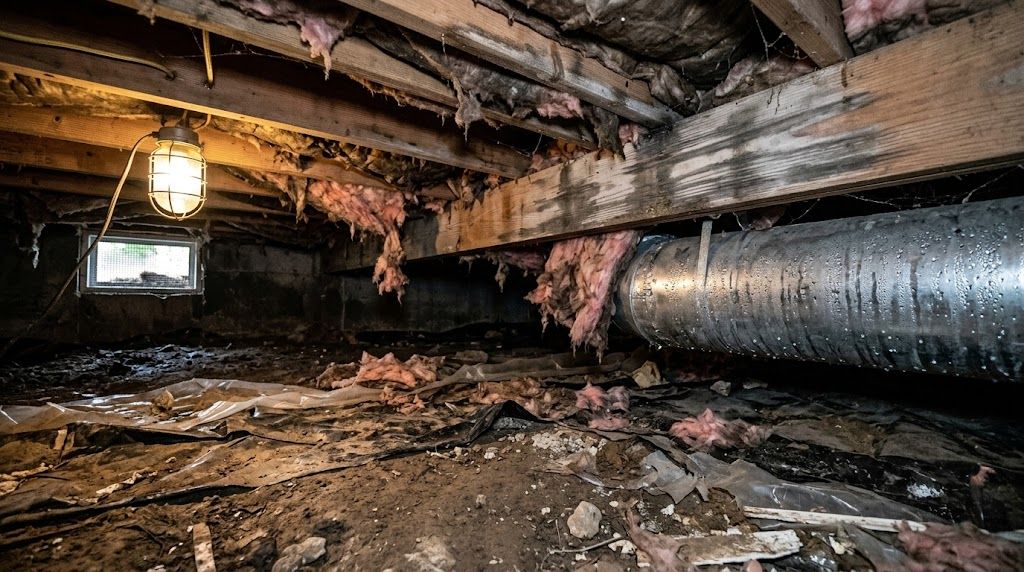
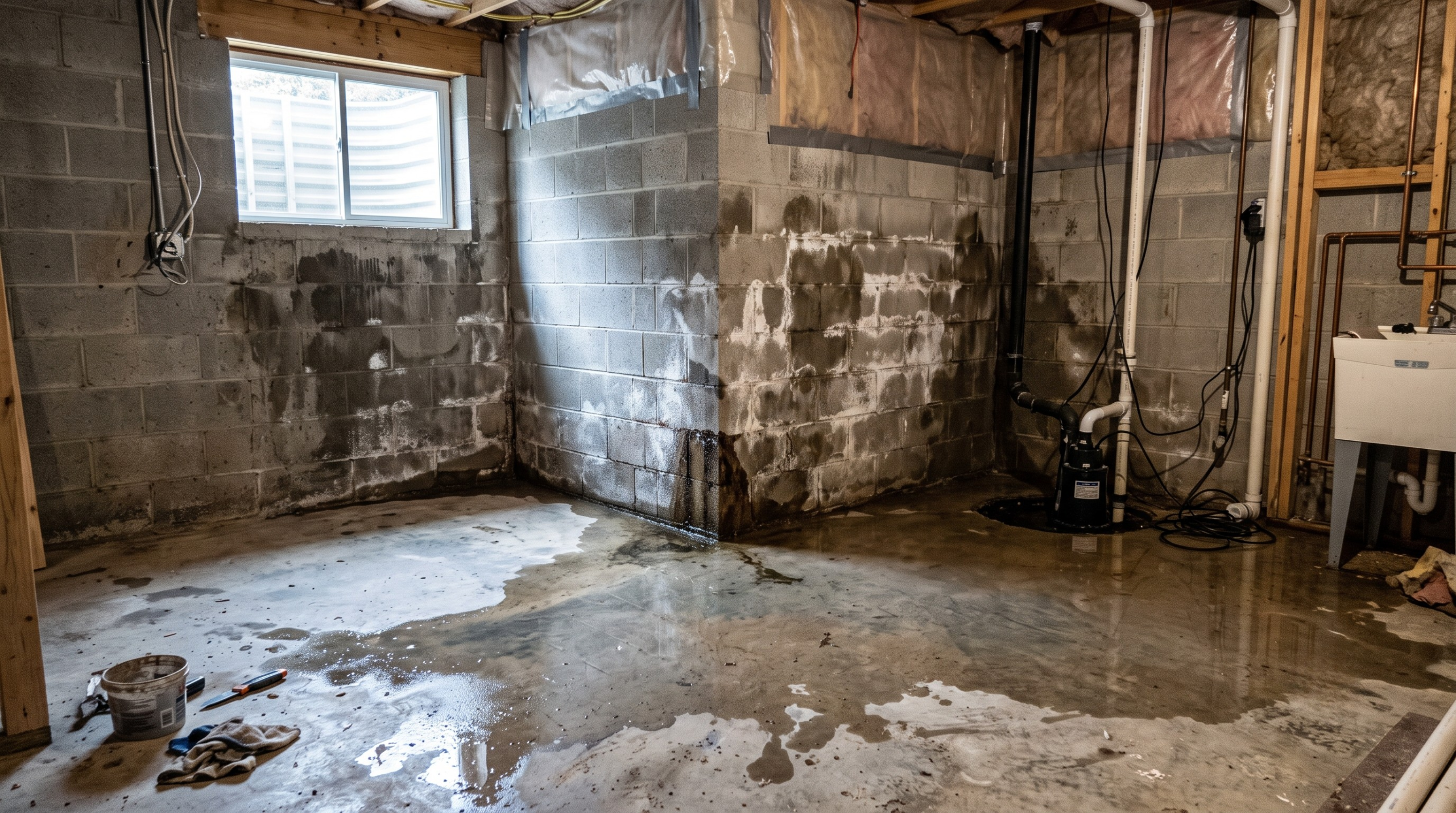
The most immediate risk is water intrusion. Open joints act as direct conduits for rainwater to seep beneath your concrete slabs. This can lead to dampness in your basement or crawl space, fostering the growth of mold and mildew. These issues contribute to musty odors and unhealthy indoor air quality.
Continued water penetration can cause sub-base erosion. Water washes away the supporting soil beneath your concrete, creating voids. This loss of support leads to sinking or uneven slabs. These uneven surfaces then become significant trip hazards for family members and guests.
Ultimately, neglecting these joints can result in further structural damage to the concrete itself. This can manifest as more extensive cracking, spalling, or crumbling. In severe cases, the movement and water damage can even compromise your home’s foundation, leading to much more expensive foundation repair needs. Early intervention is always the most cost-effective solution.
When to Call an Expert: CGS Waterproofing & Foundations
If you’re noticing open expansion joints or any of the accompanying warning signs, it’s time to bring in the professionals. Attempting DIY fixes for deep-seated concrete or foundation issues can often lead to further complications. A proper diagnosis and repair plan are essential.
CGS Waterproofing & Foundations is your trusted local expert in the Greater Atlanta Metro Area. We specialize in comprehensive concrete work, foundation repair, and waterproofing solutions. Our team understands the unique challenges faced by homes in areas like Norcross, Gwinnett, and Fulton counties. We can accurately assess the cause of your opening expansion joints and recommend the most effective, lasting solutions.
Don’t let minor issues turn into major headaches. Protect your home and your investment. Contact CGS Waterproofing & Foundations today for a free, no-obligation inspection. You can visit our contact page at [cgswaterproofing.com/contact-us/](cgswaterproofing.com/contact-us/) or call us directly at (404) 234-0248 to schedule your assessment.
Conclusion:
Addressing opening expansion joints promptly is key to preventing minor issues from escalating into expensive structural damage. Early detection and intervention can save you significant time, money, and stress.
Don’t let widening gaps compromise your property. CGS Waterproofing & Foundations offers expert assessments and tailored solutions for homeowners across the Greater Atlanta Metro Area. Take action today.
Most inspections take under an hour — and the peace of mind is worth it.
CGS Waterproofing & Foundations — Proudly Serving the Greater Atlanta Metro Area Based in Norcross, GA, CGS Waterproofing & Foundations provides expert waterproofing, foundation repair, crawlspace encapsulation, concrete work, and drainage solutions across the following areas: Gwinnett County · Fulton County · DeKalb County · Forsyth County · Henry County · Douglas County · Rockdale County · Newton County · Jackson County · Clarke County · Oconee County · Dawson County
FAQ – Frequently Asked Questions
Have more questions about your concrete expansion joints? Here are some frequently asked questions and their answers:
What causes concrete expansion joints to open?
Expansion joints typically open due to natural concrete shrinkage, poor installation, degradation of joint filler materials, and significant temperature fluctuations. In Georgia, expansive clay soils that swell and shrink with moisture also play a major role.
Is an opening expansion joint always a sign of foundation damage?
Not always, but it can be. While some opening is due to normal concrete movement or filler deterioration, significant widening or accompanying cracks can indicate underlying foundation issues, sub-base erosion, or structural instability that warrants expert inspection.
Can I fix an opening expansion joint myself?
For minor superficial gaps, patching with a flexible sealant might provide a temporary cosmetic fix. However, if the opening is significant, recurs, or is accompanied by other signs of damage, a professional assessment from experts like CGS Waterproofing & Foundations is recommended to address the root cause effectively.
How does Georgia’s climate affect expansion joints?
Georgia’s climate, characterized by humid summers, heavy rains, and the prevalence of expansive red clay soil, significantly impacts concrete. The soil repeatedly swells with moisture and shrinks when dry, putting immense pressure on concrete slabs and causing expansion joints to widen or become compromised over time.
When should I call a professional for inspection?
You should call a professional if you notice rapidly widening joints, new cracks appearing in the concrete, uneven or sinking slabs, water pooling near the joints, or any other signs of foundation distress. Experts like CGS Waterproofing & Foundations can properly diagnose the issue and recommend lasting solutions.