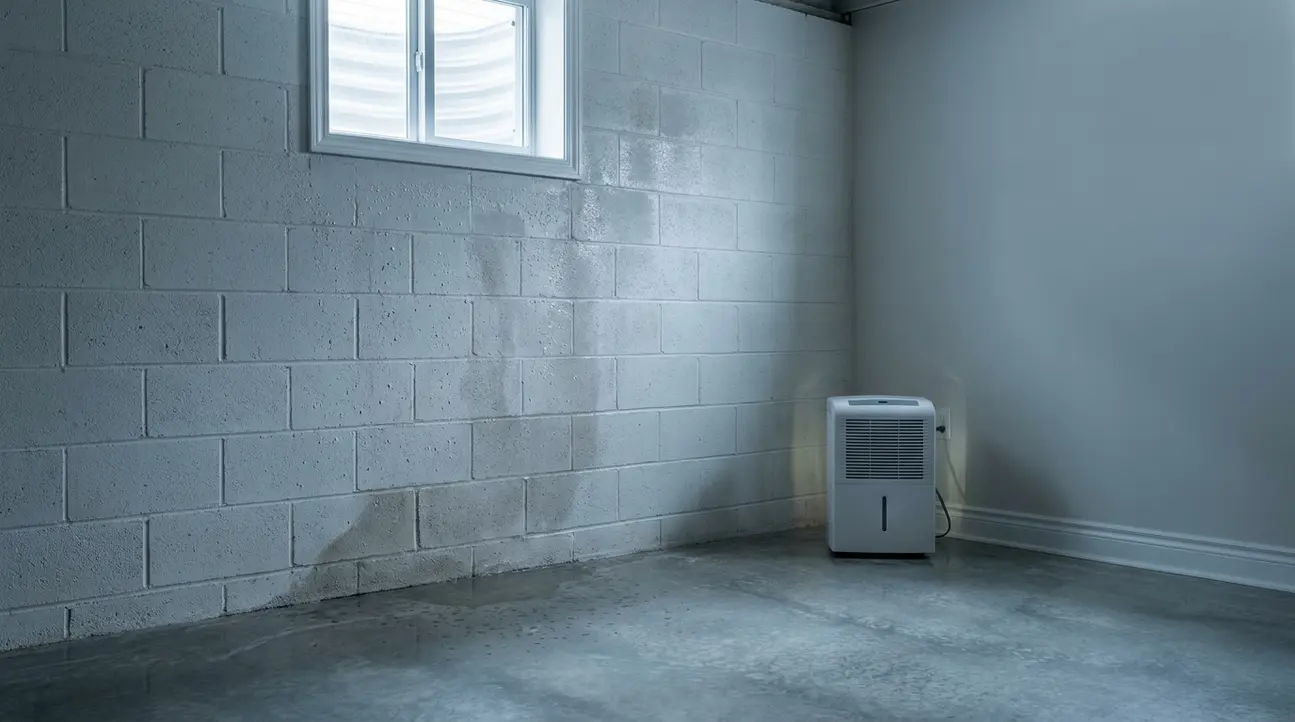
Waking up to damp, sweaty basement walls can be a troubling sight, making you wonder if something serious is wrong with your home. It’s a common concern that often sparks worry about potential water damage.
In Georgia’s notoriously humid climate, especially during warm, moist mornings, condensation is a frequent issue. This article explains why your basement walls condense and what steps you can take to address it.
Understanding Basement Condensation: More Than Just ‘Sweat’
Condensation on your basement walls often appears as tiny water droplets, making it seem like the walls are sweating. This phenomenon occurs when warm, moist air comes into contact with a cooler surface. In your basement, the air often holds more moisture, and the underground walls stay naturally cool. This temperature difference causes the airborne water vapor to turn back into liquid, forming beads of water on the surfaces.
Condensation is not a leak from outside your home. Instead, it signals high humidity within your basement environment. This excess moisture can come from various sources, both inside and outside your property. It’s a symptom of an imbalance, not a direct water intrusion like a crack in your foundation.
> When condensation appears on your basement walls in the morning, it’s typically caused by warm, moisture-laden air meeting the naturally cooler surfaces of your underground walls. This process indicates high indoor humidity, often exacerbated by Georgia’s damp climate, rather than an active water leak through your foundation.
Understanding this distinction is crucial for proper diagnosis and treatment. True water leaks involve active drips, puddles, or staining from external water sources. Condensation, by contrast, is a surface phenomenon resulting from atmospheric conditions.
Why Georgia Basements Are Prone to Morning Condensation
Georgia’s climate is a primary culprit behind morning basement condensation. The state experiences significantly high humidity levels, especially during the spring and summer months. Mornings often bring cooler temperatures, creating a perfect storm for condensation when that humid air filters into a naturally cooler basement. The warmer, moisture-laden air from outside clashes with your home’s cool, underground walls, leading to morning dampness.
Adding to this challenge, Georgia’s expansive red clay soil retains moisture exceptionally well. This can keep surrounding ground temperatures lower, making your basement walls even colder relative to the outdoor air. Many homes in the Greater Atlanta Metro Area, including those in counties like Gwinnett and Fulton, are built on this type of soil. Poor ventilation further exacerbates the problem, trapping humid air inside.
Without adequate air circulation, especially in older homes around Norcross, moisture has nowhere to go. It simply settles onto the coolest available surfaces. This combination of external humidity, soil conditions, and internal airflow issues makes Georgia basements particularly susceptible to morning “sweat.”
Is It Just Condensation, or Something More Serious?
It’s vital to differentiate between simple condensation and more severe water intrusion. While condensation is a sign of high humidity, an actual leak indicates water is entering your basement. Knowing the difference helps you address the correct problem effectively. Many homeowners in DeKalb County and throughout the Atlanta metro area face this dilemma.
Here’s how to tell the difference between condensation and a true water leak:
- Signs of True Water Intrusion:
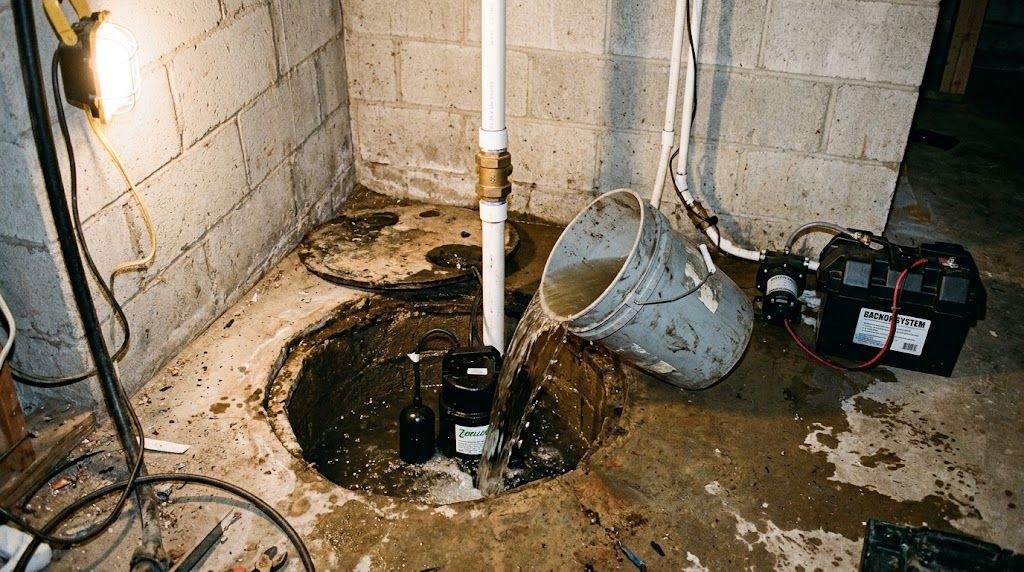
- Standing water or puddles on the floor, especially after rain.
- Active drips coming from cracks in walls or ceilings.
- Water stains or streaks that consistently appear in the same spot, often with a distinct “waterline.”
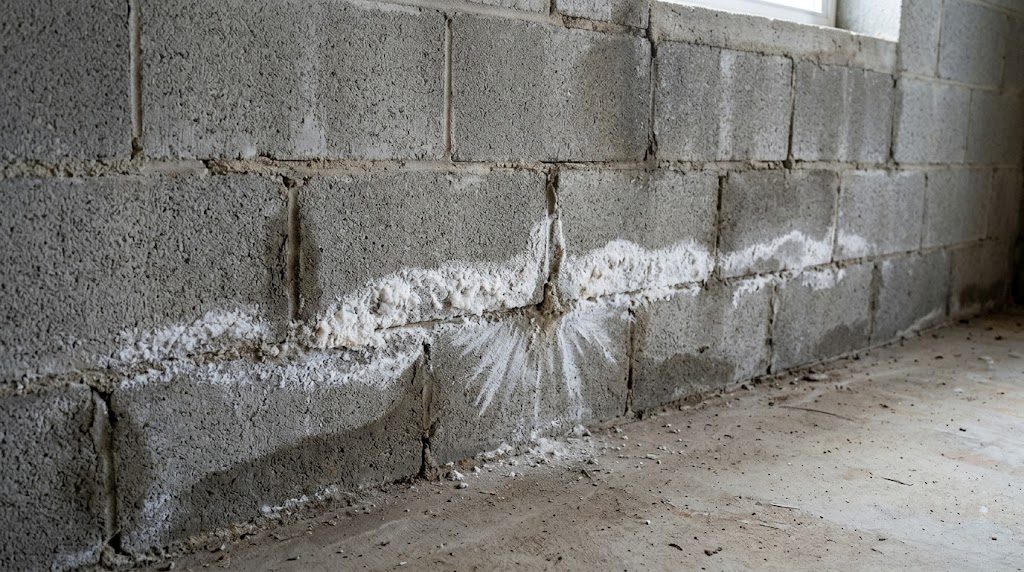
- Efflorescence, which is a white, powdery mineral deposit left behind when water evaporates from concrete or masonry.
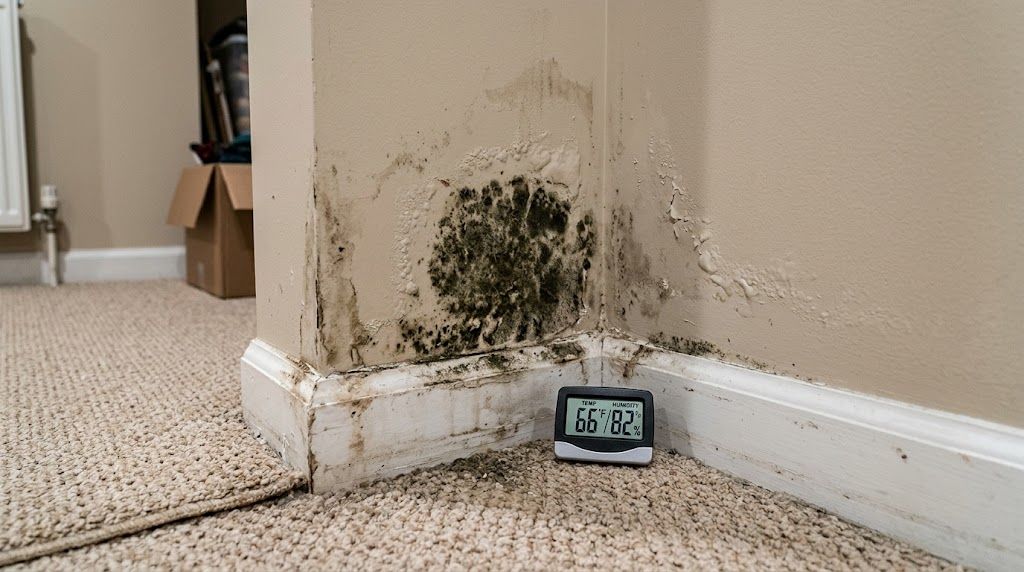
- **Mold growth** that forms dense, furry patches on surfaces, indicating a consistent water source.
- Signs of Simple Condensation:
- Surface dampness on walls, pipes, or cool objects, typically evenly distributed.
- Mildew (a surface-level fungus) that wipes away easily, often appearing as black spots.
- No visible cracks or entry points for water from the exterior.
- Drying out quickly once the humidity drops or air circulates.
Always check for the source of any moisture. Observing when the dampness appears and disappears will provide critical clues.
The Risks of Ignoring Persistent Basement Condensation
Allowing persistent basement condensation to continue unchecked can lead to several significant long-term issues for your home and health. Even though it’s not a leak, prolonged dampness creates an ideal environment for problems to flourish. Homeowners in Georgia should be particularly mindful of these risks.
One of the most immediate concerns is the growth of mold and mildew. These fungi thrive in damp conditions, causing musty odors and potentially spreading throughout your living spaces. Beyond the smell, mold spores can compromise indoor air quality, leading to respiratory issues or allergies for sensitive individuals. This directly impacts the health of your family.
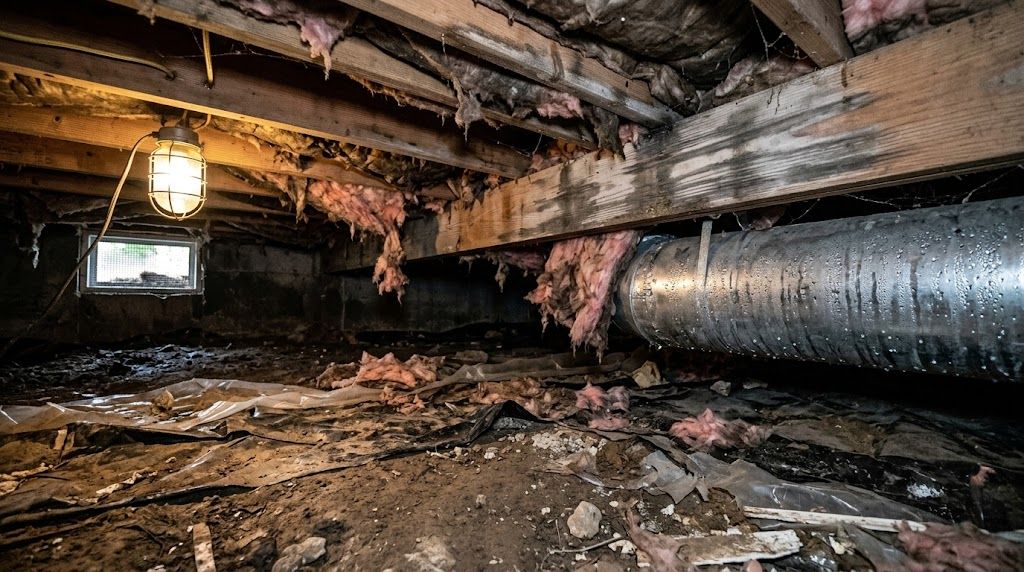
Furthermore, consistent moisture can damage stored items and finishes in your basement. Furniture, cardboard boxes, textiles, and even drywall can warp, rot, or degrade over time. Wood framing, floor joists, and subflooring are also vulnerable to wood rot, which can weaken structural components. This damage can depreciate your property value significantly. Ignoring the problem may eventually lead to extensive repairs, costing much more than proactive humidity control measures.
Effective Solutions for Condensation in Your Georgia Basement
Addressing basement condensation effectively involves a multi-pronged approach, starting with practical DIY solutions. These steps can significantly reduce humidity and improve air quality in your Georgia home. Implementing these changes will create a much drier and healthier basement environment.
First, improve ventilation. When outdoor humidity levels are low, opening basement windows and doors can allow for better airflow. Using exhaust fans, particularly in laundry areas or bathrooms located in the basement, helps remove moisture-laden air. Circulating fans can also help move air around stagnant areas.
Second, invest in a dehumidifier. This is often the most effective solution for consistent humidity control. Basements generally require larger, more powerful units than standard room dehumidifiers. Choose a unit appropriate for your basement’s square footage, ensuring it can handle the high humidity common in the Atlanta metro area. Look for models with an automatic shut-off and continuous drainage options for ease of use.
Third, seal air leaks and cracks. Inspect your foundation walls, around windows, and door frames for any gaps. Sealing these with caulk or appropriate sealants prevents humid outdoor air from infiltrating your basement. This also helps with energy efficiency.
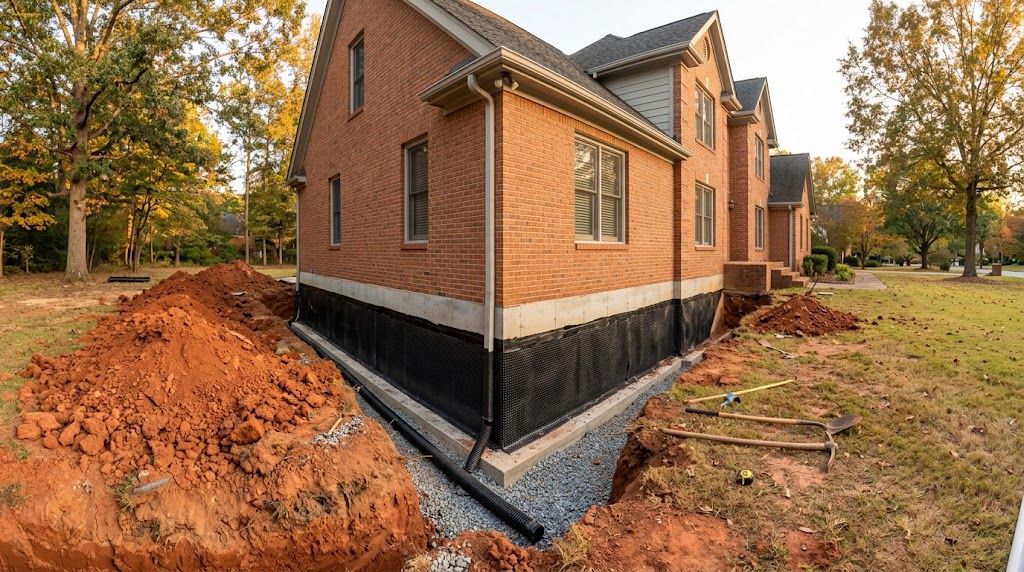
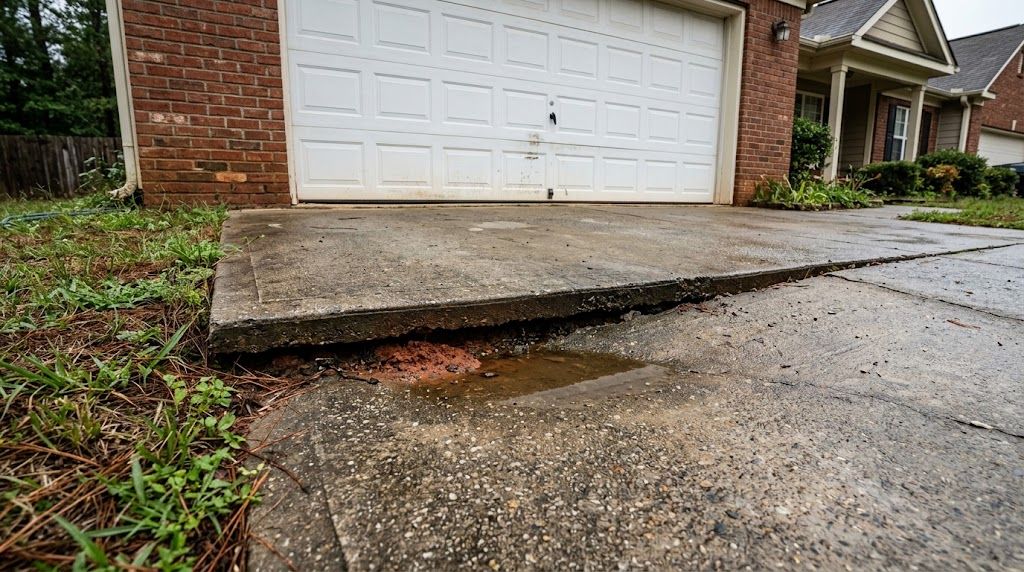
Finally, ensure proper exterior drainage. All rainwater and landscaping runoff should drain away from your foundation, not towards it. Clear gutters, extend downspouts at least five feet from the foundation, and ensure your yard slopes away from your home. This prevents soil saturation, which keeps your basement walls cooler and more prone to condensation.
When to Call the Experts: CGS Waterproofing & Foundations
While DIY solutions can help manage minor condensation, there are times when professional intervention is essential. If you’ve tried the practical steps and still experience persistent issues, it’s a clear sign that a deeper problem might be at play. Homeowners across Gwinnett, Fulton, and DeKalb counties often reach out when they encounter these more serious symptoms.
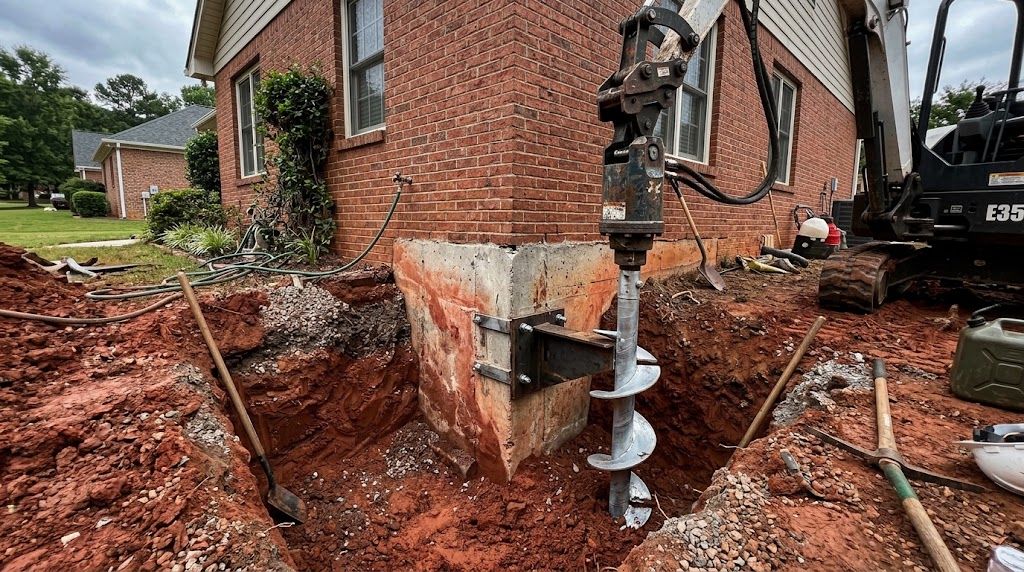
You should call CGS Waterproofing & Foundations if you see signs of actual leaks, not just condensation. This includes standing water, constant drips, or extensive water staining. If extensive mold growth has developed, beyond surface mildew, professional remediation and moisture source identification are crucial for health and safety. Any concerns about your foundation’s integrity, such as cracks that appear to be widening or shifting, also warrant immediate expert assessment.
CGS Waterproofing & Foundations, serving the greater Atlanta metro area from Norcross, offers comprehensive basement inspections. Our experts can accurately diagnose the source of your moisture problems, whether it’s related to humidity, leaks, or structural issues. We provide tailored solutions to protect your home. Our core services include expert basement waterproofing, advanced crawlspace encapsulation to control ground moisture, and effective drainage solutions designed to divert water away from your foundation.
Conclusion:
Addressing basement condensation early on can prevent minor issues from escalating into costly repairs down the line. Proactive measures not only protect your home’s structural integrity but also safeguard your family’s health and comfort.
If you’re unsure about the cause or severity of your basement’s dampness, don’t hesitate to contact CGS Waterproofing & Foundations. Our experts can provide a thorough assessment and recommend the best solutions for your Georgia home. Most inspections take under an hour — and the peace of mind is worth it.
CGS Waterproofing & Foundations — Proudly Serving the Greater Atlanta Metro Area Based in Norcross, GA, CGS Waterproofing & Foundations provides expert waterproofing, foundation repair, crawlspace encapsulation, concrete work, and drainage solutions across the following areas: Gwinnett County · Fulton County · DeKalb County · Forsyth County · Henry County · Douglas County · Rockdale County · Newton County · Jackson County · Clarke County · Oconee County · Dawson County
FAQ – Frequently Asked Questions
Basement condensation is a common concern for homeowners, especially in humid climates like Georgia. Here are answers to some frequently asked questions about damp basement walls.
Is condensation a sign of a basement leak?
No, not directly. Condensation is primarily caused by warm, moist air coming into contact with a cooler surface, like your basement walls. While it’s a sign of high humidity, it doesn’t necessarily mean water is actively leaking through your foundation. However, consistent condensation can eventually lead to issues that mimic water damage, like mold.
What causes high humidity in a basement?
High basement humidity is often due to several factors common in Georgia. These include humid outdoor air entering through windows or cracks, moisture evaporating from damp soil around the foundation, and even interior sources like clothes dryers without proper venting or excessive indoor plant watering. Poor ventilation in the basement also traps this moisture.
Can condensation lead to mold growth?
Absolutely. Mold thrives in damp, humid environments, and persistent condensation provides the ideal conditions for mold spores to germinate and grow on your basement walls and stored items. Beyond aesthetics, mold can cause musty odors and potentially trigger respiratory issues or allergies for occupants.
How can I reduce condensation on my basement walls?
To reduce condensation, focus on controlling humidity and improving air circulation. Running a dehumidifier is highly effective for removing excess moisture from the air. You should also ensure proper ventilation, seal any cracks or openings where humid air might enter, and maintain consistent indoor temperatures.
When should I call a professional for basement condensation?
You should call a professional like CGS Waterproofing & Foundations if your condensation issues are persistent despite your efforts, if you suspect an actual leak, or if you notice signs of mold growth or water damage. Experts can accurately diagnose the problem and offer solutions such as exterior waterproofing, crawlspace encapsulation, or advanced drainage systems tailored to your Georgia home.