The Hidden Dangers of Crawl Space Moisture: What Georgia Homeowners Need to Know
Crawl space moisture is one of the most common issues affecting Georgia homes, especially in areas with heavy rainfall and clay-rich soil. Because crawl spaces are rarely examined, moisture problems often develop quietly until they begin influencing the structure, air quality, and long-term safety of the home. Knowing what causes these issues and how to identify them can help homeowners prevent costly repairs.
What Causes Crawl Space Moisture?
Georgia’s High Humidity
Moisture-heavy air enters vented or unsealed crawl spaces and easily condenses on cool surfaces, raising humidity levels and creating the perfect environment for mold growth.
Poor Exterior Drainage
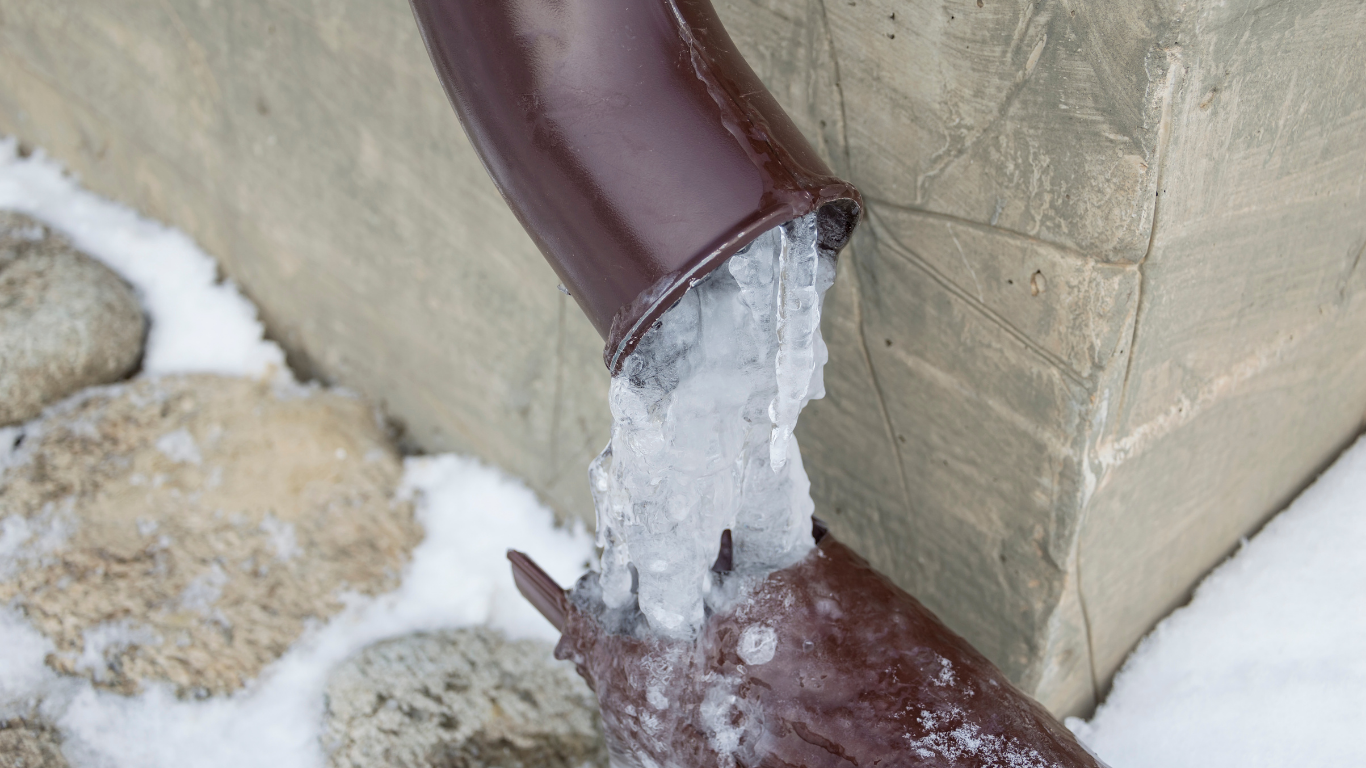
Improper grading, clogged gutters, or downspouts that empty too close to the home allow water to pool around the foundation and seep beneath the structure.
Groundwater Seepage
Heavy rain saturates Georgia’s clay soil, causing groundwater to push upward into the crawl space. Homes built on low-lying lots or slopes are especially vulnerable.
Plumbing or HVAC Leaks
Slow leaks from pipes, condensation lines, or HVAC units can introduce continuous moisture that goes unnoticed for months.
Unsealed Crawl Spaces
Without a vapor barrier, moisture from the soil rises into the crawl space, increasing humidity and contributing to wood rot and mold.
Common Signs You Have a Crawl Space Moisture Problem:
- Musty or earthy odors coming from vents or floors
- High indoor humidity even with air conditioning running
- Mold or mildew growth on wood, insulation, or joists
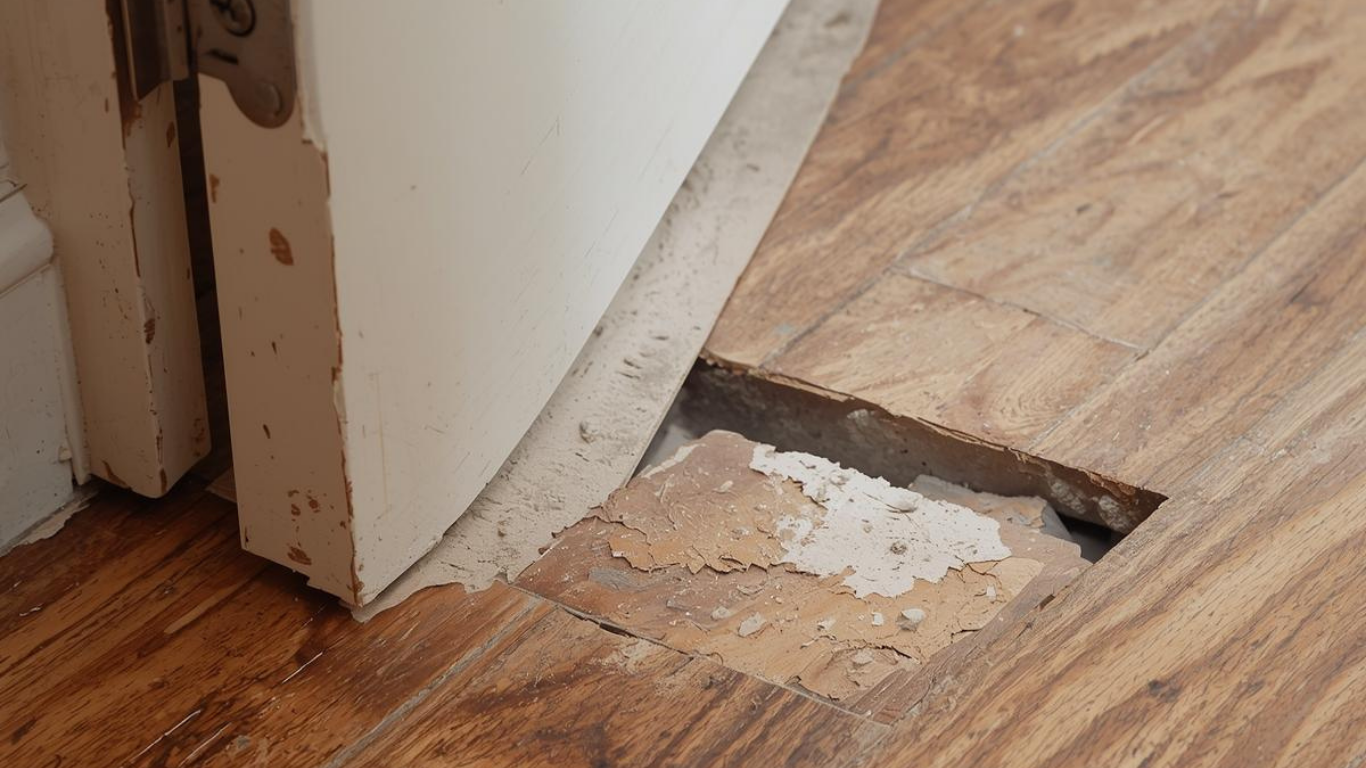
- Sagging, soft, or uneven floors above the crawl space
- Wet or deteriorating insulation
- Condensation forming on pipes or ductwork
Why Crawl Space Moisture Is Dangerous:
Mold Growth
Moist crawl spaces create ideal conditions for mold spores, which can spread through the entire home via the HVAC system and cause respiratory or allergy issues.
Wood Rot
Long-term moisture exposure weakens joists and beams, compromising the structure and safety of your home.
Pest Infestations
Termites, carpenter ants, and rodents are drawn to damp environments and can cause major damage to wood and insulation.
Foundation Stress
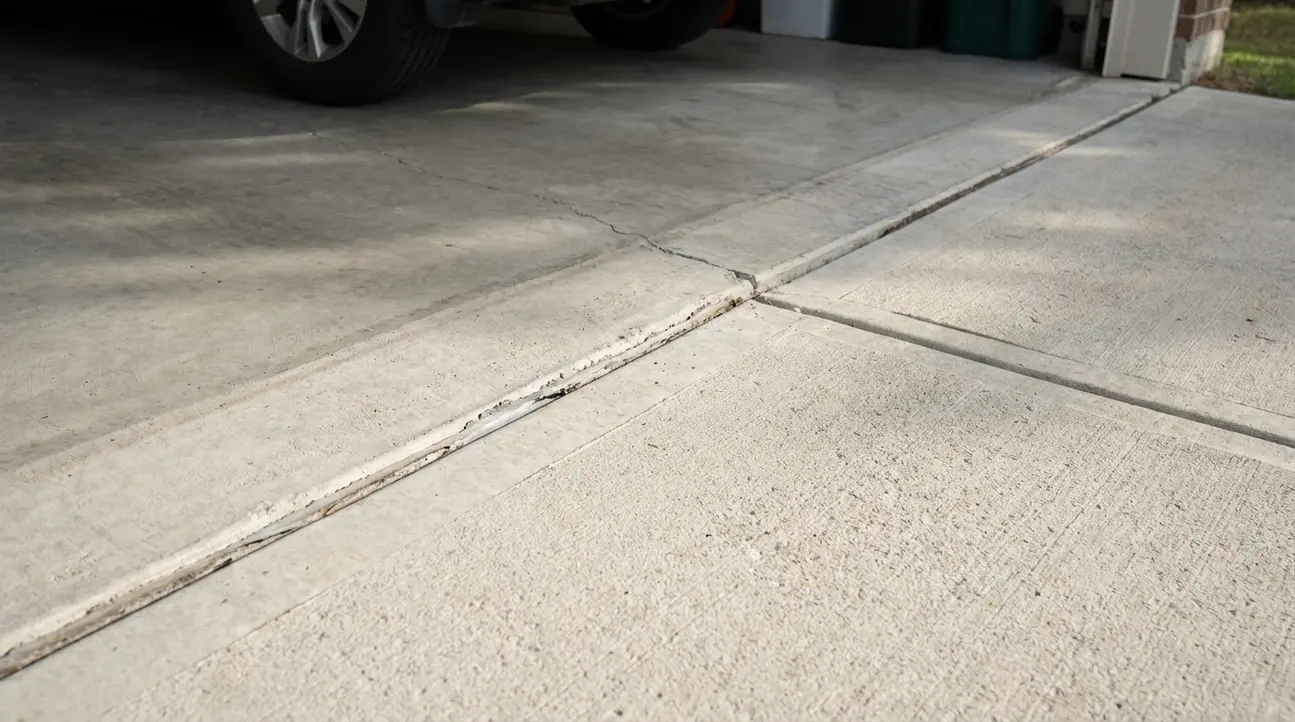
Excess moisture around the foundation can lead to soil expansion or settlement, creating cracks and long-term structural problems.
Increased Energy Bills
Moist air makes it harder for HVAC systems to regulate temperature, forcing them to work harder and use more energy.
How to Protect Your Home From Crawl Space Moisture:
Install a Vapor Barrier
A durable vapor barrier prevents ground moisture from rising into the crawl space and helps stabilize humidity.
Encapsulate the Crawl Space
Encapsulation seals the crawl space, creating a controlled environment that prevents moisture, mold, and pests.
Improve Exterior Drainage
Correct grading, install French drains, and extend downspouts to divert rainwater away from the home’s foundation.
Add a Sump Pump
A sump pump system actively removes standing water and helps keep the crawl space dry during heavy rains.
Repair Plumbing or HVAC Leaks
Regular inspections help detect slow leaks before they cause long-term damage or mold growth.
Crawl space moisture is more than a hidden inconvenience — it can threaten your home’s structure, indoor air quality, and long-term safety. By recognizing early warning signs and taking preventive measures, homeowners can protect their investment and maintain a healthy, stable home environment.
📞 Contact the Professionals at CGS Waterproofing Today!
Phone: (404) 234-0248