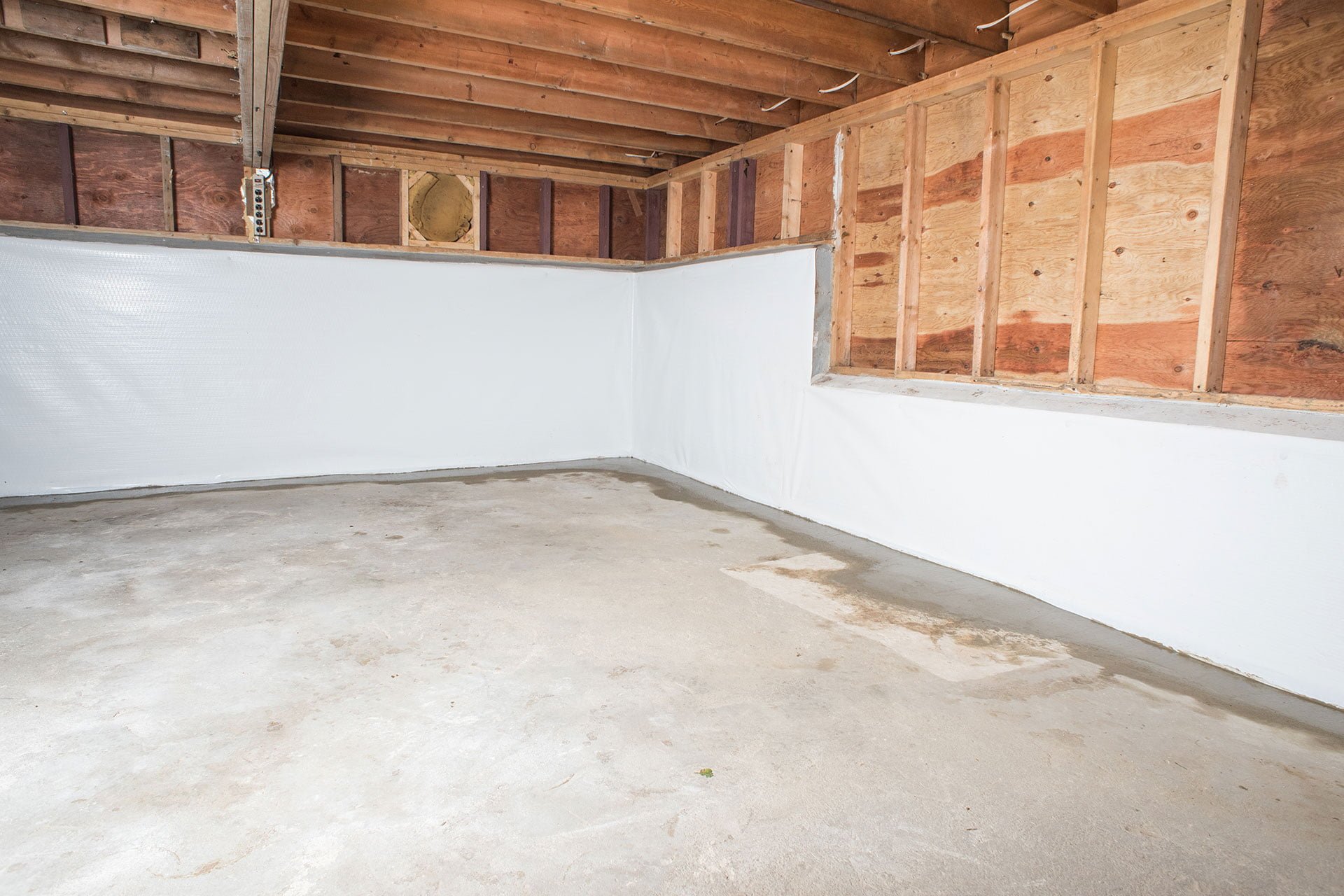
Basement flooding is a homeowner’s nightmare that can wreak havoc on both property and peace of mind. Whether caused by heavy rainfall, melting snow, plumbing issues, or structural problems, the consequences of basement flooding can be far-reaching and expensive. In this article, we will delve into the various aspects of basement flooding, exploring its impact, prevention measures, and steps for recovery.
The Immediate Consequences of Basement Flooding:
When water invades your basement, the immediate consequences can be overwhelming. Personal belongings, furniture, electronics, and valuable possessions are at risk of damage. Beyond the material losses, the safety of your home may also be compromised. Electrical systems exposed to water pose a significant risk of fire, and the structural integrity of the building may be jeopardized.
The Financial Toll:
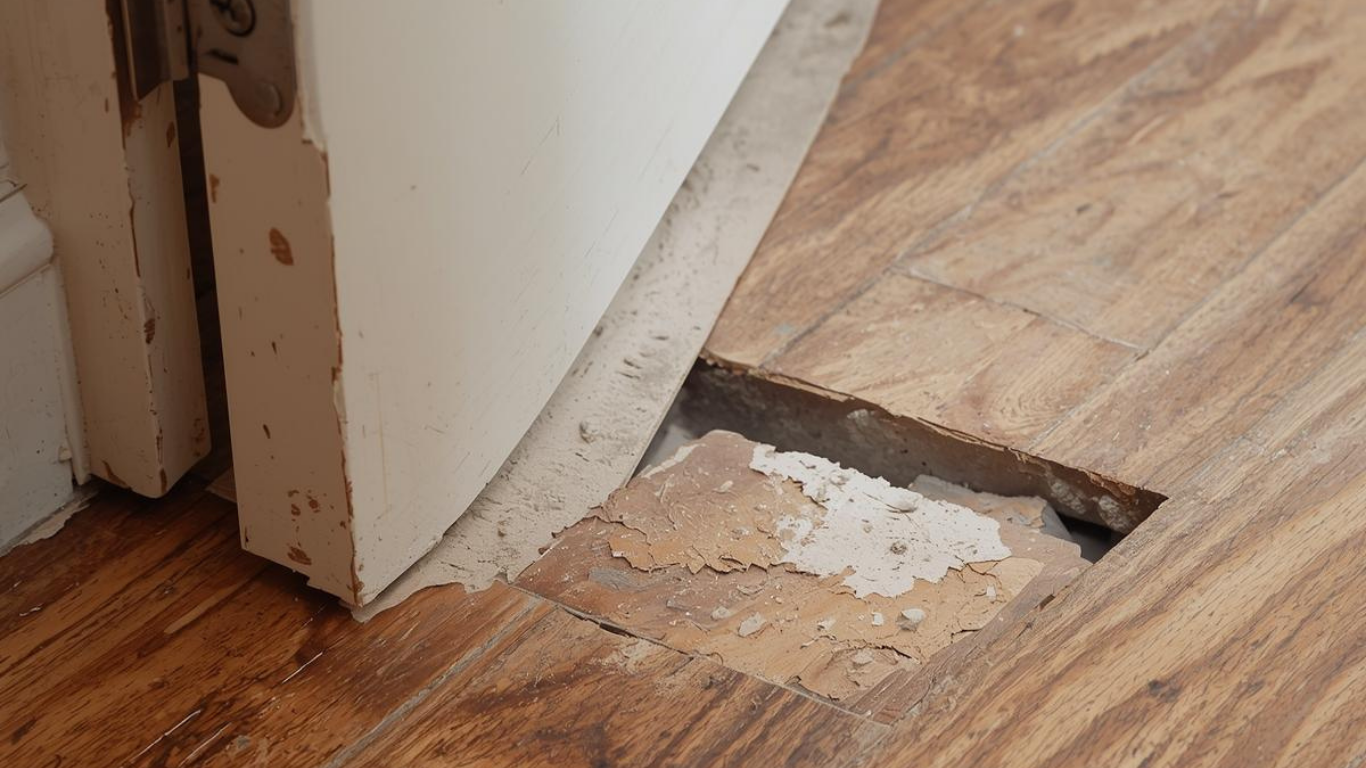
Basement flooding can incur substantial financial costs for homeowners. The damage to personal belongings, including furniture, electronics, and sentimental items, can add up quickly. Repairing or replacing damaged structures, such as walls, flooring, and insulation, can be a significant expense. Moreover, the cost of hiring professionals for cleanup and restoration can further strain your budget.
Health Risks Associated with Basement Flooding:
Beyond the immediate financial and structural consequences, basement flooding can pose serious health risks. Standing water is a breeding ground for mold and mildew, which can lead to respiratory issues, allergies, and other health problems. Additionally, contaminated water from sewer backups or other sources can introduce harmful bacteria and toxins into your home, further compromising the health and well-being of residents.
Prevention Measures:
Preventing basement flooding requires a proactive approach. Here are some key measures to minimize the risk of water intrusion:
a. Proper Drainage Systems:
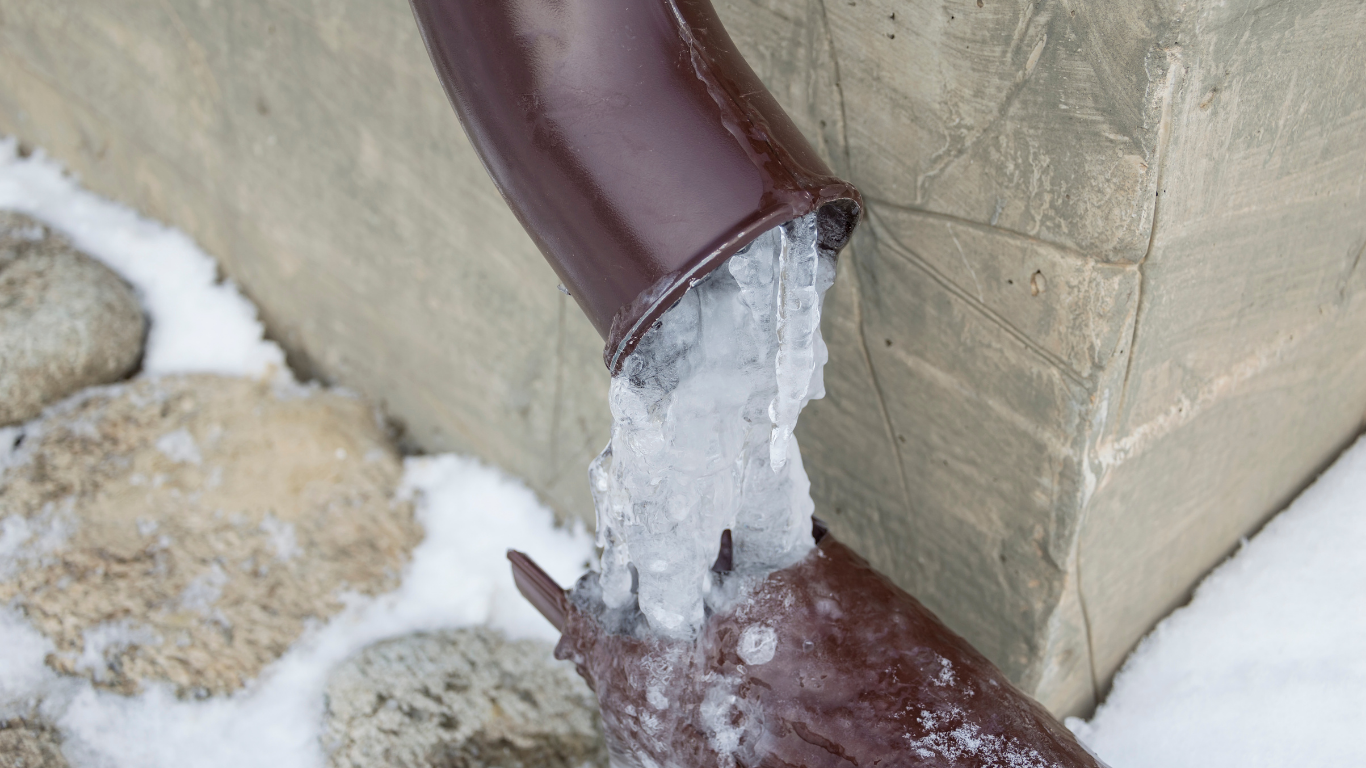
Ensure your property has an effective drainage system, including gutters and downspouts. Regularly clean and maintain these systems to prevent clogs and ensure proper water flow away from the foundation.
b. Landscaping Considerations:
Grade your landscape away from the foundation to prevent water from pooling around your home. Consider the installation of French drains or other landscaping features to direct water away from vulnerable areas.
c. Sump Pump Maintenance:
If your basement has a sump pump, ensure it is regularly inspected and maintained. Test it periodically to verify its functionality, and consider installing a backup power source in case of electrical outages during storms.
d. Seal Cracks and Gaps:
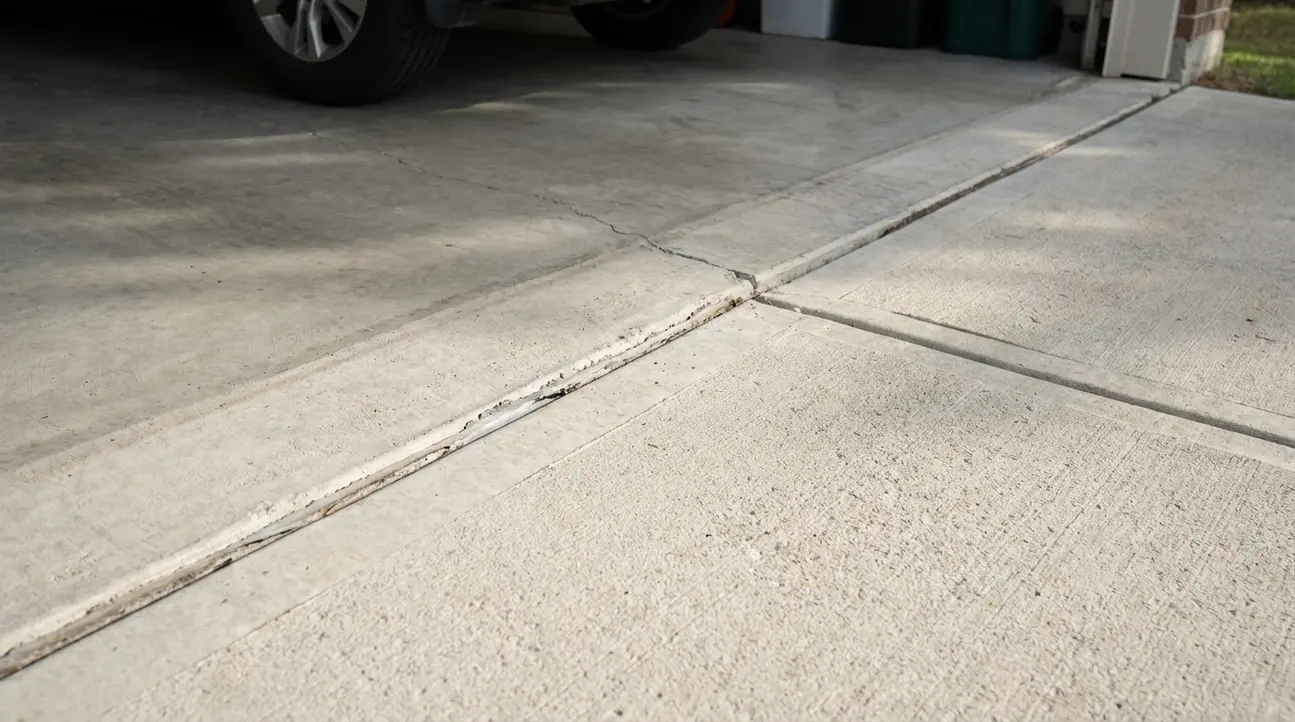
Inspect your foundation for any cracks or gaps and seal them promptly. This simple step can prevent water from seeping into your basement through vulnerable points.
e. Backup Valves:
Install backflow prevention valves in your plumbing to prevent sewer water from backing up into your basement during heavy rains or flooding.
f. Elevate Valuables:
Store valuable items on elevated surfaces or shelves in the basement. This can provide an added layer of protection in case of minor flooding.
Steps for Recovery:
If your basement does experience flooding, swift and thorough action is crucial to minimize the damage and facilitate recovery:
a. Safety First:
Before entering a flooded basement, ensure that the power is turned off to prevent electrical hazards. If the water is contaminated, wear protective gear such as rubber boots, gloves, and a mask.
b. Remove Water:
Use pumps, wet/dry vacuums, or other water removal methods to extract standing water from the basement. The sooner you can remove the water, the better chance you have of salvaging belongings and preventing further damage.
c. Dry and Dehumidify:
Use fans and dehumidifiers to dry out the affected area. Adequate ventilation is crucial to prevent mold growth and further structural damage.
d. Dispose of Contaminated Items:
Items that have been in contact with contaminated water may need to be disposed of to prevent health risks. This includes porous materials like carpets, insulation, and certain types of furniture.
e. Disinfect and Clean:
Thoroughly clean and disinfect all surfaces that come into contact with floodwater. This includes walls, floors, and personal belongings. Mold and mildew can begin to develop within 24-48 hours, so a prompt response is essential.
f. Document the Damage:
Document the extent of the damage for insurance purposes. Take photographs and make a detailed inventory of damaged items. Contact your insurance provider promptly to initiate the claims process.
g. Professional Assistance:
In some cases, it may be necessary to seek professional assistance for cleanup and restoration. Professional restoration services have the expertise and equipment to thoroughly address water damage and prevent future issues.
Basement flooding is a challenging and often traumatic experience for homeowners. Understanding the immediate consequences, financial toll, health risks, and preventive measures is essential for mitigating the impact of flooding. By taking proactive steps to prevent basement flooding and knowing how to respond if it does occur, homeowners can better protect their property, belongings, and the well-being of their families. In the face of adversity, swift action, resilience, and a focus on safety can help navigate the challenges of basement flooding and facilitate a successful recovery.
Contact the Professionals at CGS Waterproofing Today! (404) 234-0248