
Basement waterproofing is essential for protecting your home from water damage, mold growth, and structural issues. A well-maintained basement not only provides additional living or storage space but also ensures the overall health and safety of your home. This comprehensive guide explores various basement waterproofing methods, their benefits, and how to choose the right solution for your home.
Understanding the Importance of Basement Waterproofing:
Water infiltration in the basement can lead to numerous problems, including foundation damage, mold and mildew growth, and a decrease in property value. By preventing water from entering your basement, you can avoid costly repairs and maintain a healthy living environment. Basement waterproofing is particularly crucial in areas with high water tables, heavy rainfall, or poor drainage.
Common Causes of Basement Water Problems:
- Hydrostatic Pressure:
- Hydrostatic pressure occurs when water in the soil surrounding the foundation builds up and exerts pressure on the basement walls. This pressure can cause cracks and allow water to seep into the basement.

- Hydrostatic pressure occurs when water in the soil surrounding the foundation builds up and exerts pressure on the basement walls. This pressure can cause cracks and allow water to seep into the basement.
- Poor Drainage:
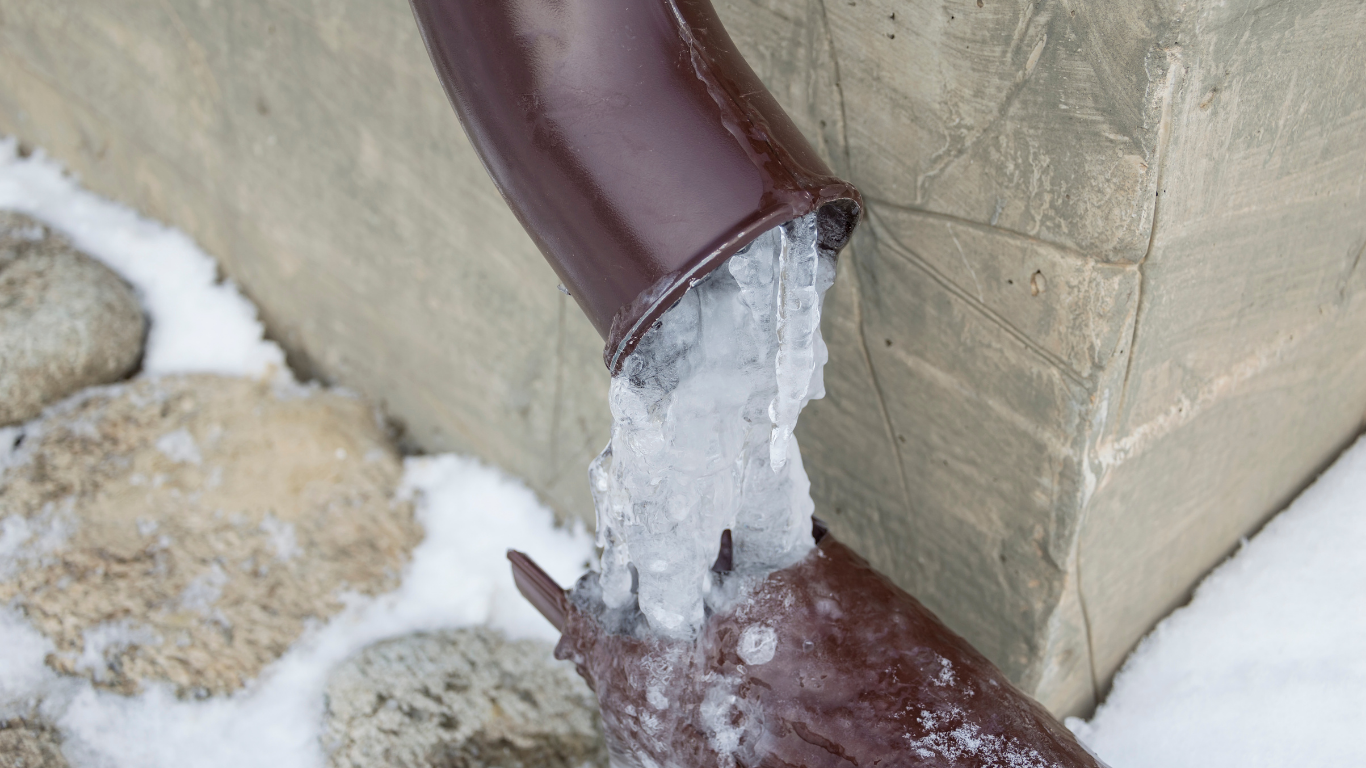
- Inadequate drainage systems, such as clogged gutters or downspouts, can lead to water pooling around the foundation. This excess water can penetrate the basement walls and floor, causing moisture problems.
- Foundation Cracks:
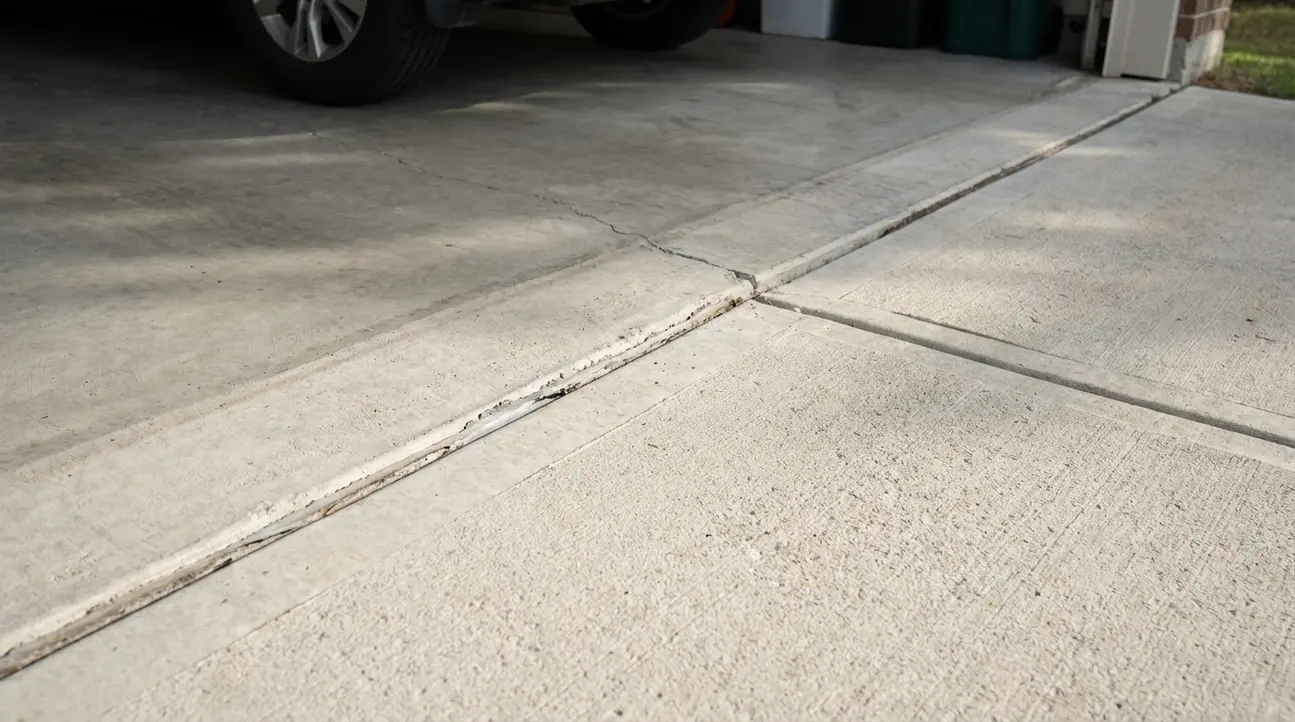
- Cracks in the foundation walls or floor can provide pathways for water to enter the basement. These cracks can result from settling, shifting, or hydrostatic pressure.
- Faulty Construction:
- Poor construction practices, such as inadequate waterproofing measures or improper grading, can contribute to basement water problems. Ensuring that your home is built to withstand water infiltration is crucial for preventing future issues.

Basement Waterproofing Methods:
Interior Waterproofing Solutions:
Crack Injections:
- Crack injections involve filling foundation cracks with waterproof materials, such as epoxy or polyurethane foam. This method seals the cracks and prevents water from entering the basement. Crack injections are effective for small to medium-sized cracks and can be done as a DIY project or by hiring a professional.
Interior Drainage Systems:
- Interior drainage systems are designed to manage water that enters the basement and direct it to a sump pump for removal. These systems typically include a perforated pipe installed along the perimeter of the basement floor, which collects water and channels it to a sump pump. Interior drainage systems are effective for addressing hydrostatic pressure and preventing water accumulation.
Sump Pumps:
- Sump pumps are essential for removing water that collects in the basement. Installed in a sump pit, the pump automatically activates when water levels rise, pumping the water out of the basement and away from the foundation. Sump pumps are particularly useful in areas with high water tables or frequent flooding.
Vapor Barriers:
- Vapor barriers are materials installed on the walls and floors of a basement to prevent moisture from seeping through. These barriers are usually made of plastic or foil and are effective at reducing humidity and preventing mold growth. Vapor barriers are often used in conjunction with other waterproofing methods to provide additional protection.
Exterior Waterproofing Solutions:
Exterior Waterproofing Membranes:
- Exterior waterproofing involves applying a waterproof membrane to the outside of the foundation. This method requires excavating around the foundation to expose the walls, which are then cleaned and repaired before the membrane is applied. Waterproof membranes create a barrier that prevents water from penetrating the foundation walls.
French Drains:
- A French drain is an exterior drainage system designed to redirect water away from the foundation. It consists of a trench filled with gravel and a perforated pipe. The pipe collects water and channels it away from the house, preventing it from pooling around the foundation and seeping into the basement.
Exterior Drain Tile Systems:
- Exterior drain tile systems are similar to French drains but are installed around the perimeter of the foundation. These systems collect water and direct it to a sump pump or drainage outlet, preventing water from accumulating around the foundation.
Excavation and Waterproofing:
- Excavation and waterproofing involve digging around the foundation to apply a waterproof coating or membrane. This method provides a long-term solution for preventing water infiltration and is particularly effective for homes with severe water problems.
Combining Interior and Exterior Waterproofing:
For comprehensive protection, many homeowners choose to combine interior and exterior waterproofing methods. This approach addresses both the symptoms and root causes of water infiltration, providing a robust solution for keeping basements dry. For example, a combination of exterior waterproofing membranes, French drains, and interior drainage systems can offer multiple layers of protection against water damage.
Signs You Need Basement Waterproofing:
Visible Water or Dampness:
- If you notice standing water, damp walls, or a musty smell in your basement, it’s a clear sign that you need to address water infiltration issues.
Foundation Cracks:
- Cracks in the foundation walls or floor are a common entry point for water. Even small cracks should be sealed to prevent water from seeping in.
Efflorescence:
- Efflorescence is a white, powdery substance that appears on basement walls. It’s a sign that water is infiltrating the basement and leaving behind mineral deposits as it evaporates.
Mold and Mildew:
- The presence of mold and mildew indicates high humidity levels and moisture problems in the basement. Mold can cause respiratory issues and should be addressed promptly.
DIY vs. Professional Basement Waterproofing:
While some basement waterproofing tasks can be tackled by homeowners, others require professional expertise. DIY methods, such as applying sealants or installing a sump pump, can be cost-effective and manageable for minor water problems. However, extensive projects like exterior waterproofing and drainage system installation are best left to professionals to ensure proper execution and long-lasting results.
Choosing the Right Basement Waterproofing Solution:
Assessing Your Needs:
- Evaluate the severity of the water problem, the condition of your foundation, and your budget to determine the most appropriate waterproofing method for your home.
Consulting with Professionals:
- If you’re unsure about the best solution for your basement, consult with a professional waterproofing contractor. They can assess your specific situation and recommend the most effective methods.
Comparing Costs and Benefits:
- Consider the costs and benefits of different waterproofing methods. While some solutions may have higher upfront costs, they can provide long-term protection and prevent costly repairs in the future.
Maintaining Your Basement Waterproofing System:
Proper maintenance is crucial to ensure the effectiveness of your basement waterproofing system. Regularly inspect your basement for signs of water infiltration, clean and maintain drainage systems, and test sump pumps to ensure they are functioning properly. Reapplying sealants and coatings as needed can also help maintain a watertight barrier.
Cost of Basement Waterproofing:

The cost of basement waterproofing varies depending on the methods used and the extent of the work required. Simple DIY projects may cost a few hundred dollars, while professional services can range from $1,000 to $10,000 or more. It’s important to get multiple quotes and choose a reputable contractor to ensure you get the best value for your investment.
Basement waterproofing is essential for protecting your home from water damage, mold growth, and structural issues. By understanding the various techniques and methods available, you can choose the best solution for your home and enjoy a dry, healthy basement for years to come. Whether you opt for interior or exterior waterproofing, or a combination of both, taking proactive steps to address water infiltration will help preserve the integrity and value of your home.
Contact the Professionals at CGS Waterproofing Today! (404) 234-0248