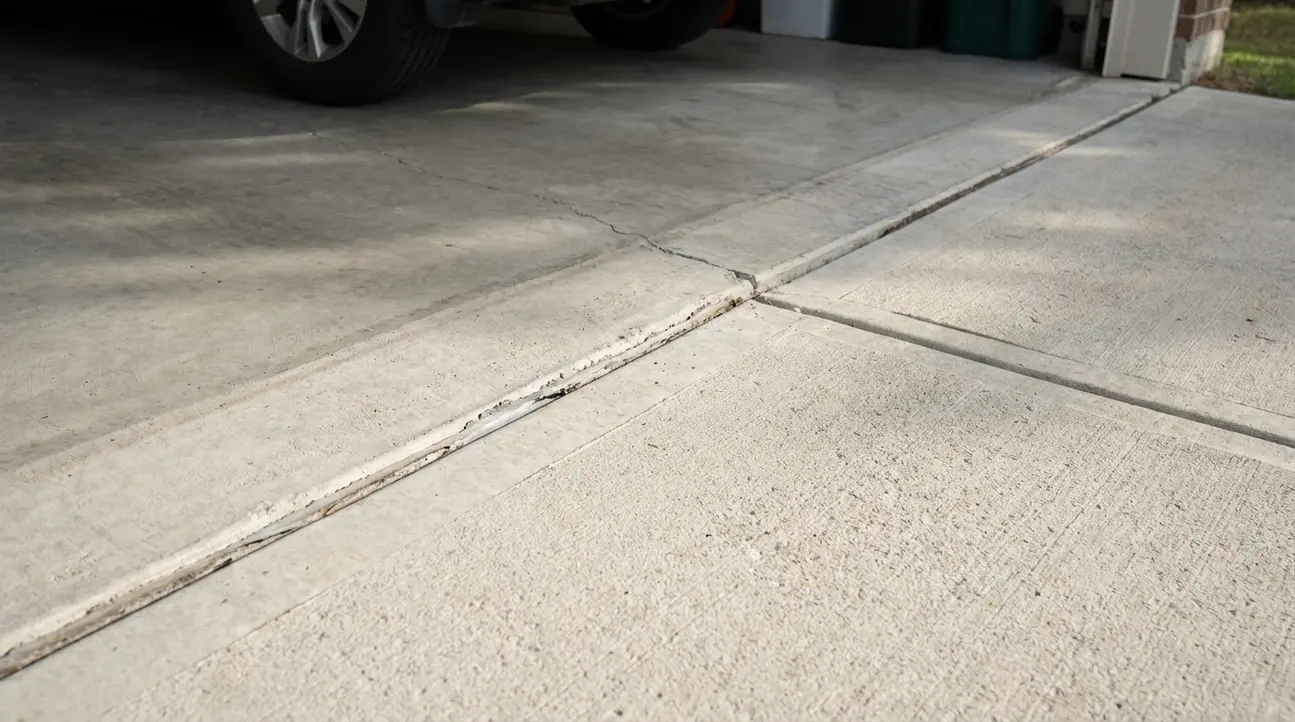

In the realm of construction, the steadfastness of structures lies squarely on the unyielding shoulders of their foundations. These critical elements demand unwavering attention and meticulous care to secure a legacy of longevity. Recognizing the early warning signs of foundational distress, whether manifesting as cracks in walls or uneven floors, becomes paramount to avoiding the perilous cascade of structural failure.
This article serves as a compass through the labyrinth of foundation repair, offering insights into transforming these silent distress signals into actionable repair plans. Our exploration spans a spectrum of solutions, from the robust depths of steel piers firmly anchored into bedrock to the nimble integration of spot piers tailored for lighter structures.
As your dedicated guide on this journey, we will shed light on the strategies and considerations essential for constructing a robust and enduring edifice. Continue reading to embark on the path toward securing the bedrock of your building’s future.
Recognizing Early Signs of Foundation Issues
The resilience of robust structures hinges on the integrity of their foundations, the silent bedrock shaping the very essence of any architectural marvel.
Recognizing the subtle murmurs of distress emanating from a building’s foundation is crucial, as these early signs, when ignored, can crescendo into severe structural challenges.
A discerning inspection of these initial harbingers serves as a proactive measure to prevent minor concerns from evolving into exorbitant repair endeavors.
- Cracks and Fractures in Walls: These visual cues signify underlying distress, demanding immediate assessment to avert potential issues.
- Uneven Floors and Misaligned Doors: Indicative of a shifting foundation, these signs explicitly call for prompt attention to ensure structural stability.
- Water Intrusion and Moisture Buildup: These occurrences hint at a compromised foundation barrier, warranting swift and thorough investigation.
- Gaps around Windows and Exterior Doors: Exposing the vulnerability of a home’s structural integrity, these gaps necessitate timely intervention.
- Visible Contortion in Foundation Walls: Whether bowing or bulging, such deformities act as unmistakable beacons, urging immediate fortification of the building’s base.
Cracking and Fracturing in Walls
Mysterious lines spiderwebbing across drywall or plaster may not just be aesthetic flaws but distress signals from a foundation under duress. These fissures, particularly when they form a stair-step pattern in masonry or follow a diagonal route in drywall, reveal a need for a professional evaluation.
Residential stability hinges on addressing these disruptions promptly. A foundation repair specialist can determine the severity of the situation and propose a pragmatic solution to reestablish the integrity of the home’s structural base.
Uneven Floors and Misaligned Doors
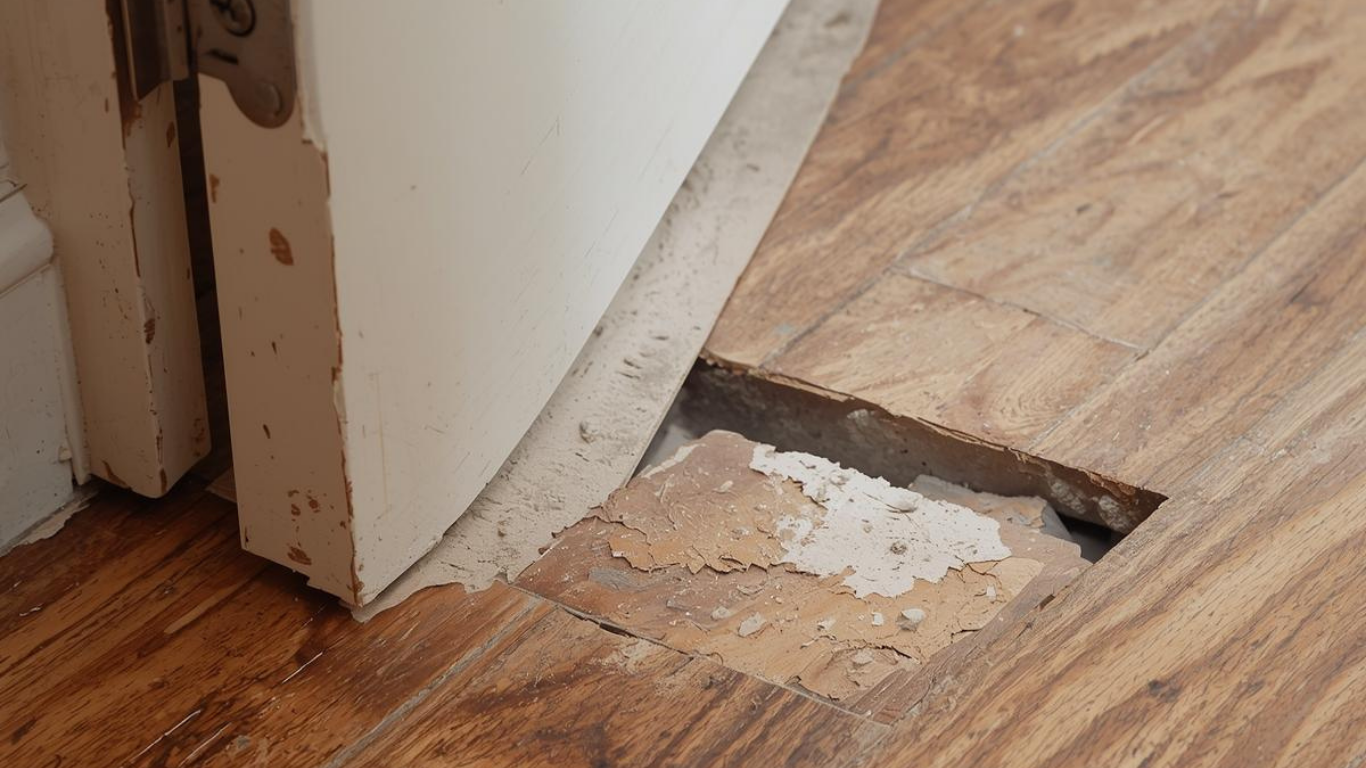
An unlevel floor might be more than a simple annoyance; it could herald the shifting of a foundation, which demands prompt attention. Doors that no longer close properly or show gaps at the frame are not just a hindrance but serve as clear indicators of the need for foundation repair.
Action taken swiftly in response to these irregularities can make the difference between a minor fix and a major overhaul. Engaging with a specialist who can reinforce the foundation effectively is crucial to maintaining the safety and value of a property.
Water Intrusion and Moisture Problems
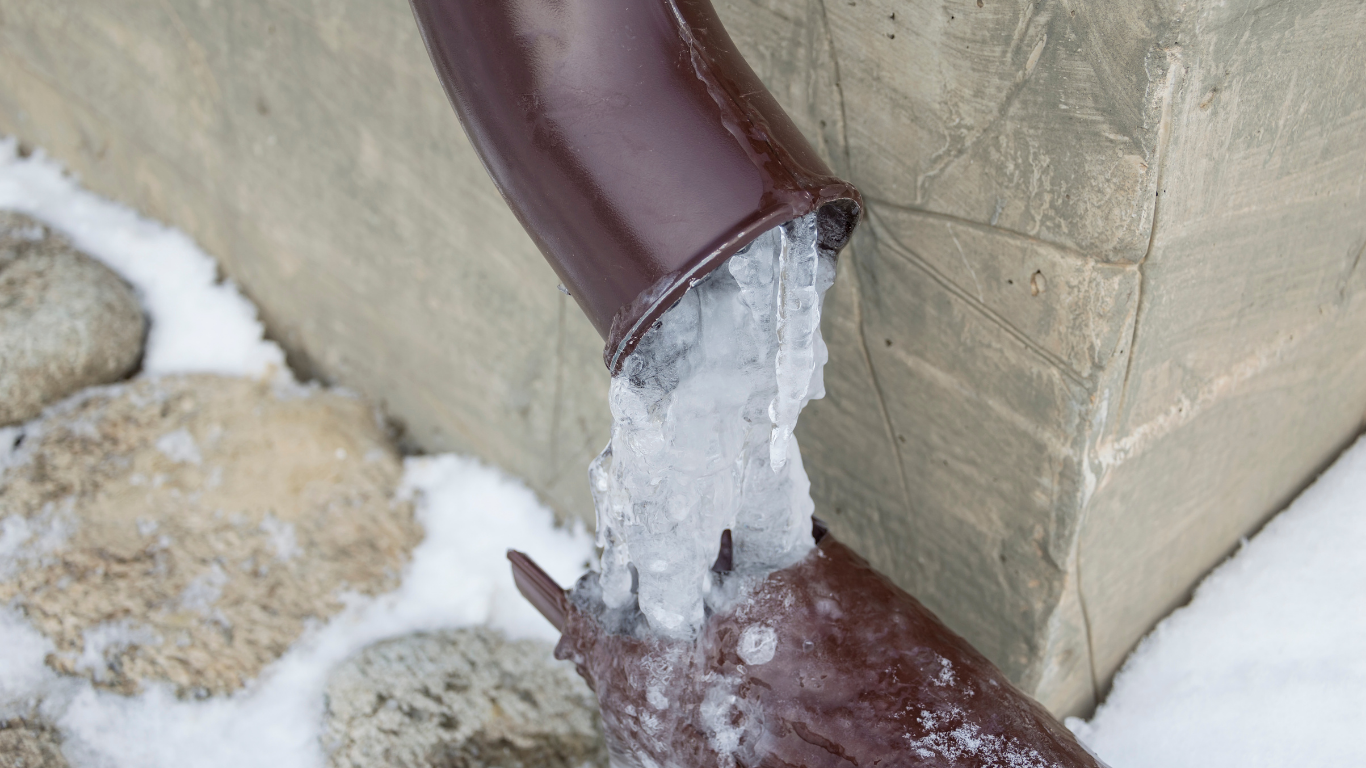
Rogue droplets etching their paths through basement walls or pooling in crawl spaces may seem trivial, yet they signal a penetrating problem that could erode the foundation’s stamina. These signs of water infiltration mark a fundamental breach that beckons for swift foundation repair, imperative to stave off material degradation and structural decay.
Dampness creeping into a home’s lower recesses may originate from a compromised foundation, which left unchecked, sows the seeds of mold and undermines the building’s robustness. Proactive measures to seal and secure the foundation from moisture‘s insidious advance safeguard the building from the havoc of water damage.
Gaps Around Window Frames and Exterior Doors
When daylight peeks through the should-be-sealed junctions of window frames and doors, it’s a clear signal that the edifice has succumbed to shifts beneath its facade. These gaps reveal the structure’s subtle movement, signifying the necessity for a foundation repair to avert more extensive damage.
Foundation shifts causing doors and windows to fall out of plumb not only interrupt aesthetic symmetry but also compromise energy efficiency. Swift restorative action to realign and stabilize the infrastructure ensures the snug fitment of doors and windows, thereby restoring the building’s energy integrity and comfort.
Visible Bowing or Bulging in Foundation Walls
Foundation walls that exhibit bowing or bulging stand testament to the enormous pressures exerted from the earth surrounding them. It is a clear visual cue that requires immediate foundation repair to prevent potential collapse or significant structural compromise.
Engaging experienced professionals who specialize in correcting these deformations is crucial. They implement strategic solutions that may involve anchoring the walls or underpinning the foundation to restore stability and ensure the building’s resilience against future shifts and pressures.
Evaluating the Extent of Foundation Damage
Piercing the veil of uncertainty that often shrouds the condition of a building’s foundation mandates a comprehensive evaluation.
Discerning whether flaws in a foundation are merely cosmetic or symptomatic of critical structural weakness is imperative for the health and longevity of any structure.
From the expansive arsenal of professional inspection techniques, experts employ precise assessments to differentiate between structural and non-structural damage.
Pinpointing the origins of foundation compromise calls for a meticulous approach, often supported by state-of-the-art diagnostic tools.
With keen analysis and modern technology, the true extent of a foundation’s woes can be uncovered, facilitating targeted repairs that underscore robust architectural endurance.
Professional Inspection Techniques
Professional inspection techniques for evaluating foundations must begin with a keen assessment of the external clues, like uneven floors and cracked walls, guiding evaluators to deeper, often hidden imperfections. Employing tools such as electronic levels, laser transit devices, or even ground-penetrating radar, these specialists meticulously map the area to reveal inconsistencies in foundation level and density.
Detection strategies advance beyond simple observation; contractors might introduce hydraulic equipment to test soil stability or use structural engineering software to simulate how a foundation interacts with the surrounding land. Through such dynamic methods, professionals can prescribe precise foundation repair strategies that ensure the building’s lasting stability and safety.
Assessing Structural vs. Non-Structural Damage
Discriminating between structural and non-structural damage is pivotal for tailor-made repair plans. Structural damage signifies fundamental compromises to the foundation’s strength and requires immediate intervention to thwart escalation into dire consequences.
Non-structural damage, while often less perilous, can escalate if ignored, leading to aesthetic and functional issues that detract from the overall condition and value of the property. Identifying this distinction equips professionals to address the root of the problem with precision and restore integrity to the structure.
Identifying Root Causes of Foundation Problems
Pinpointing the genesis of foundation issues requires a discerning look at a property‘s unique circumstances. Factors such as soil type and moisture levels, groundwater flow, and even the quality of the original construction materials and practices come under scrutiny when discerning the root causes of foundation distress.
Professionals in foundation repair assess the interaction between a building and its environment to uncover the source of foundation problems. This careful examination is critical in crafting an effective repair solution that goes beyond superficial fixes to ensure the structure’s long-term stability and durability.
Utilizing Modern Diagnostic Equipment
To ascertain the scope of foundation issues, cutting-edge diagnostic equipment plays a pivotal role. Tools such as ground-penetrating radar and digital structural analysis software offer a revealing glimpse into the unseen, enabling experts to diagnose problems with precision and propose bespoke repair strategies.
Utilizing these advanced technologies, professionals can detect minute shifts and changes in the foundation that might not be evident on the surface. This level of detail allows for in-depth understanding and treatment of foundation damage, fostering resilient structures that withstand the tests of time.
Understanding the Role of Steel Piers in Foundation Repair
The silent yet steadfast sentinels of a building’s foundation are often its steel piers, integral components that anchor structures to the very earth they stand on.
Steel piers act as critical support systems for ailing foundations, offering a return to stability and rigidity where the ground has proven treacherous.
This subsection explores the pivotal process by which steel piers stabilize structures, delving into the intricate installation techniques that secure and reinforce a building’s base.
Additionally, it sheds light on the enduring benefits of using steel piers, emphasizing their contribution to the overall durability of modern structures.
How Steel Piers Stabilize Structures
Steel piers represent a formidable solution when restoring equilibrium to a compromised foundation. Installed deep into stable soil layers, they transfer a structure’s weight from the unstable surface, creating a solid bedrock upon which to rely.
The process involves driving these slender steel columns down to reach a load-bearing stratum, effectively bypassing the volatile soil that’s causing the foundation to fail. Once anchored, they impart unparalleled stability, curtailing further subsidence and preventing uneven settling.
The Installation Process of Steel Piers
The installation of steel piers begins with a careful assessment of the soil conditions and the extent of foundation damage. Professionals strategically place and then drive these deep-rooted supports into the ground, ensuring they reach a stable layer beneath the earth’s surface, offering a firm footing for the structure.
Once the piers hit the appropriate depth, they are affixed securely to the foundation’s base. This connection creates the necessary counterbalance to uplift and stabilize the compromised foundation, countering the forces of soil movement and time.
Benefits of Using Steel Piers for Durability
Steel piers, lauded for their strength and resistance to corrosion, contribute significantly to the longevity of a foundation repair. Their sturdy composition can handle the diverse stresses imparted by natural soil movement, ensuring a lasting solution that resists further deterioration.
Installing steel piers provides not only immediate stability but also acts as a preventative measure against future foundation issues. By anchoring a building’s weight securely into deeper, stable soil, steel piers diminish the likelihood of new foundation problems arising, thereby extending the lifespan of the structure.
Helical Piering and Its Effectiveness in Foundation Repair
The steadfastness of a building is a testament to the integrity of its foundation, a hidden but quintessential facet that demands meticulous attention and care.
Among the diverse array of solutions in the nuanced field of foundation repair, helical piering emerges as a distinguished and effective strategy.
This technique undergirds structures with an innovative twist, quite literally, as helical piers drill deep into the ground to provide robust support.
For those seeking long-lasting stabilization, helical piering presents numerous benefits, and as we unravel the principle behind this unique support system, the advantages and specific scenarios where helical piering shines will become increasingly evident, proving its relevance and superiority in the craft of solidifying foundations.
Principle Behind Helical Pier Support Systems
The workhorse of helical piering is its innovative design, where a helical, screw-like shaft is twisted into the ground, delving through softer soil layers to anchor into more stable substrates. This technique lends itself to a transferable solidity, ideal for supporting structures and easing the weight on less reliable terrains.
With each rotation of the pier, the helical flanges pull it downward, creating minimal disturbance while obtaining a secure hold, akin to a firmly driven screw in wood. This dynamic approach allows for precise positioning and depth attainment, crucial for delivering dependable foundational support where traditional methods may falter.
Advantages of Helical Piering Methods
Helical piering offers a streamlined installation, making it an attractive choice for foundation repair activities that necessitate a quick turnaround. The process is notably less invasive compared with traditional methods, leading to reduced site disruption and allowing construction activities to proceed without substantial delays.
The method’s precision stands out as helical piers twist into the earth, which facilitates accurate load targeting and distribution. This characteristic ensures enhanced structural stability and a profound peace of mind for property owners faced with foundation concerns.
Situations Best Addressed by Helical Piers
Helical piers are invaluable for sites where soil conditions are challenging, such as those with a high water table or unstable earth. They secure a stronghold deep beyond surface-level inconsistencies, guaranteeing solid footing in environments where other repair methods might not be feasible or effective.
Structures that have suffered from seismic activity or those in coastal regions susceptible to erosion often benefit substantially from helical piers. This method lends unparalleled stability in situations where foundations require augmentation to combat the unpredictable movements of the earth beneath them.
The Importance of Proper Drainage in Foundation Health
A building’s longevity is inseparably tied to the health of its foundation, which in turn is significantly impacted by the effectiveness of drainage systems.
Proper drainage is not merely a supplemental aspect of foundation care; it is a cornerstone practice that guards against the insidious effects of water damage.
By channeling excess moisture away from the base of a structure, well-designed drainage solutions uphold a foundation’s resilience.
An intricate understanding of how water interacts with foundation materials enables specialists to maintain the integrity of these foundational pillars, thereby preventing future issues and securing the lasting stability of the edifice.
Just as a ship relies on its hull to navigate treacherous waters safely, a building depends on a well-managed drainage system to sail through the years unscathed.
Designing Effective Drainage Solutions
Effective drainage solutions hinge on the principle of diverting water away from the foundation, a critical factor in maintaining structural health. Tailored to landscape contours and local climatic conditions, expertly crafted drainage designs incorporate slopes, drains, and gutters to ensure water flows away from the building, thus preserving the integrity of the foundation.
Specialists in foundation repair often implement French drains, sump pumps, and graded terrains to mitigate water pooling. This strategic infrastructure works collaboratively to reduce hydrostatic pressure against foundation walls, effectively defending against moisture penetration that can threaten a building’s durability.
Maintaining Foundation Integrity Through Drainage
A robust foundation stands as a sentinel against the ravages of water, with comprehensive drainage systems acting as its shield. By ingeniously steering clear of accumulated water, which can weaken or undermine a building’s base, specialists combat the erosion and swelling of soil that so often lead to foundational malaise.
Active intervention in water management, through the implementation of strategic drainage plans, enables a foundation to survive the natural ebb and flow of the environment’s moisture levels. This proactive stance on water diversion forms the bedrock of a structure’s enduring stability, keeping the integrity of the foundation steady and unyielding.
Preventing Future Foundation Issues With Adequate Drainage
Guarding a structure against prospective foundational challenges necessitates a preventive approach, particularly in the arena of moisture control. Constructing a foundation with an integrated, efficient drainage system lays the groundwork for evading the predicaments that result from water’s persistent nature.
Investments in a proper drainage setup pay dividends by dramatically reducing the risk of future foundational maladies. Initiatives such as perimeter grading and properly installed drainage conduits ensure that water is directed away from the foundation, maintaining its stability and extending the lifespan of the structure.
Contact the Professionals at CGS Waterproofing & Foundations Today! (404) 234-0248