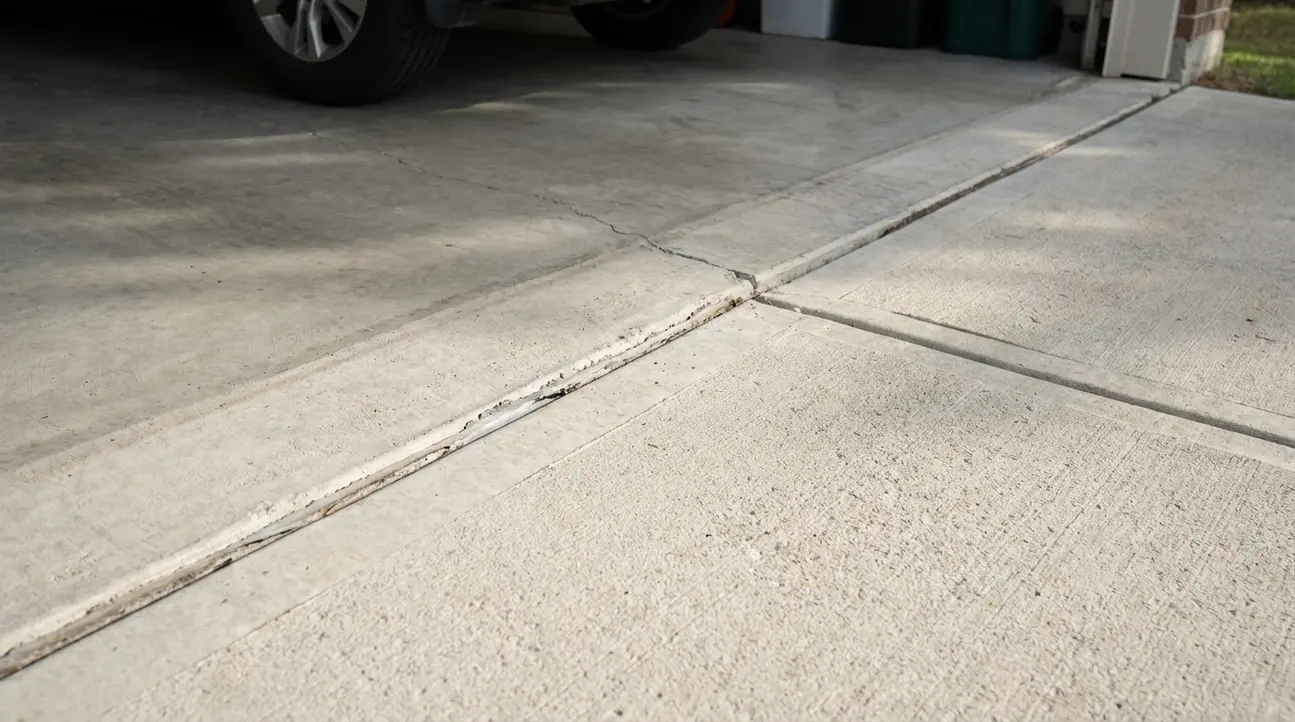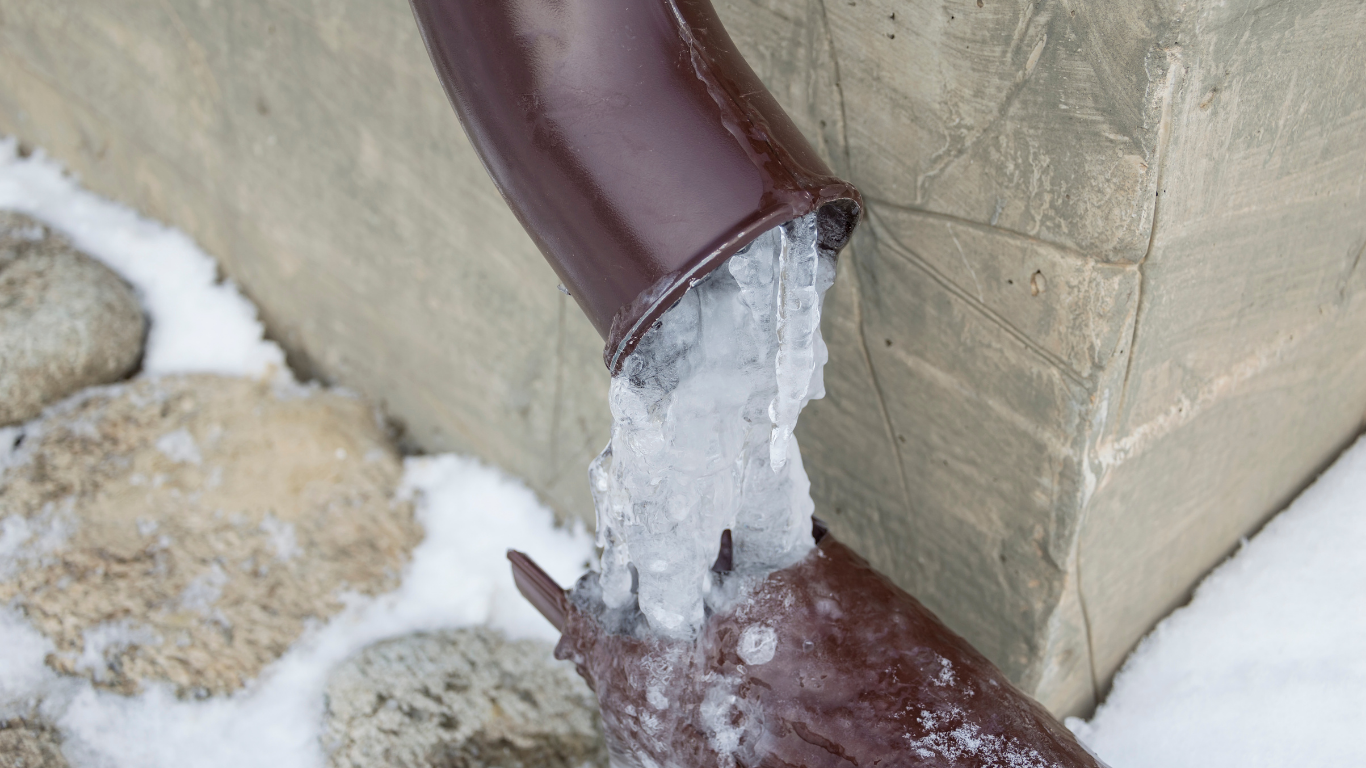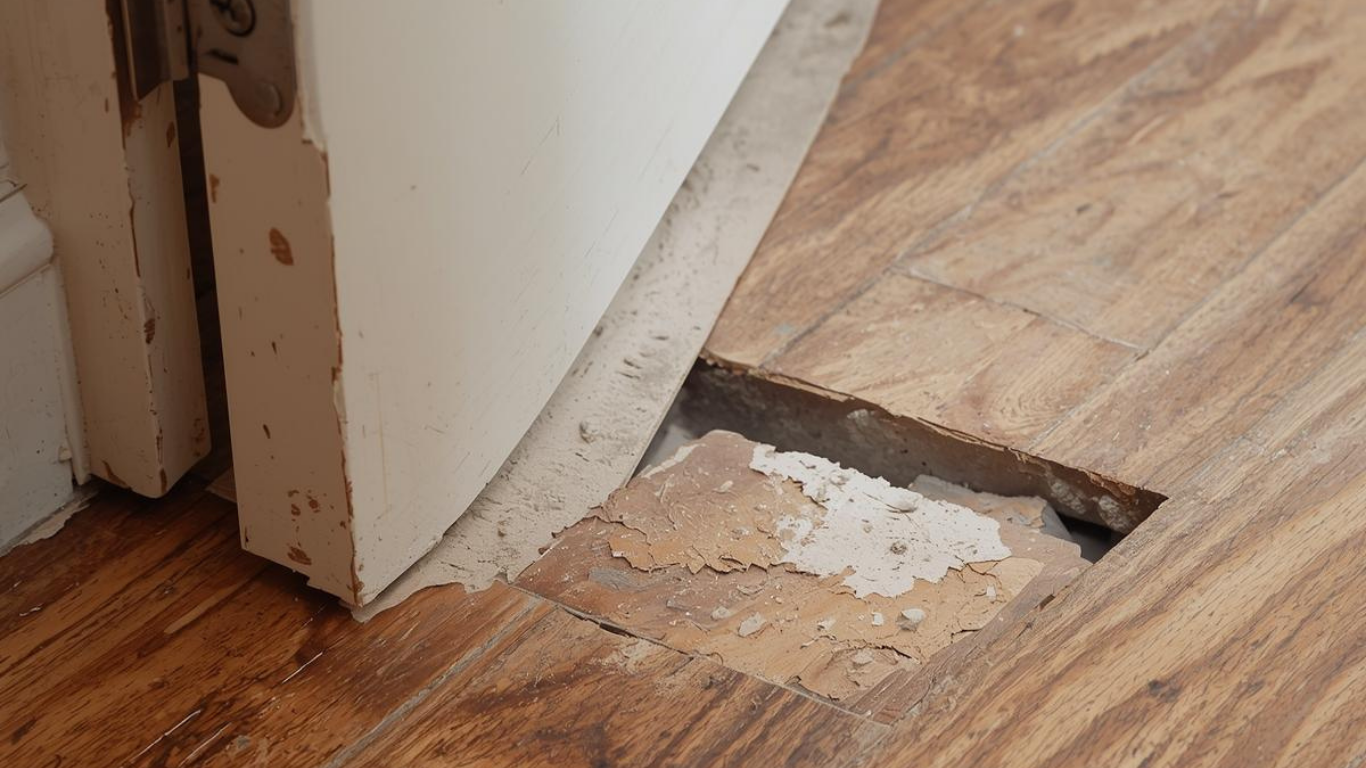

The foundation of your house carries the entire weight of the building. Therefore, it is natural for you to be worried if you find any type of crack in the foundation. The good news is that many types of cracks do not signal structural damage to the foundation. However, you should be concerned if you see horizontal cracks or diagonal and vertical cracks that keep expanding by the day.The best way to address any type of crack in the upper foundation is to investigate its cause and repair it as soon as you can. Here are some key tips for repairing cracked foundations.


1. Repairing Hairline Cracks
You don’t need to be so worried about small hairline cracks in the foundation since these cracks often indicate the normal settling of the foundation. Hairline cracks also occur as a result of the expansion and shrinking of the foundation as it cures. These cracks often don’t indicate that there is structural damage to the foundation, but you still need to repair them so that they do not expand over time.A technician can easily repair hairline cracks in your foundation using grout and appropriate cement or by applying suitable masonry paint.2. Repairing Cracks Between 3 mm and 6 mm
Cracks that fall in the range of 1/8 to ¼ inch (3 mm to 6 mm) often occur due to foundation settling or shrinking of the concrete just a few months after construction. While these cracks may also not pause a structural problem, it is a good idea to seal them in order to stop further expansion and prevent the seepage of water and moisture through them.You should let a technician who is experienced in repairing cracked foundations examine the cracks in order to determine the best way to repair them. 1/8 to ¼ inch cracks typically need to be repaired by applying crack repair materials such as epoxy.