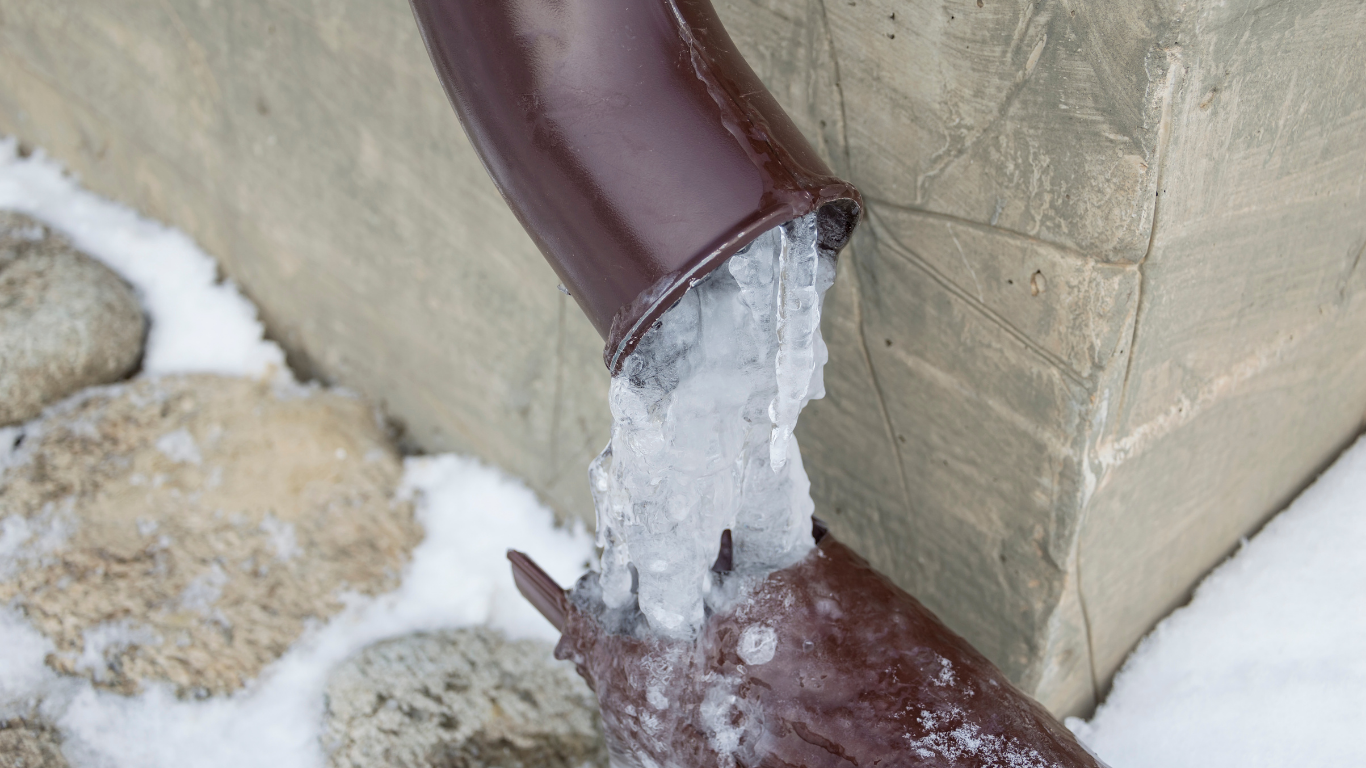
What Should Georgia Homeowners Do Before Freezing Temperatures?
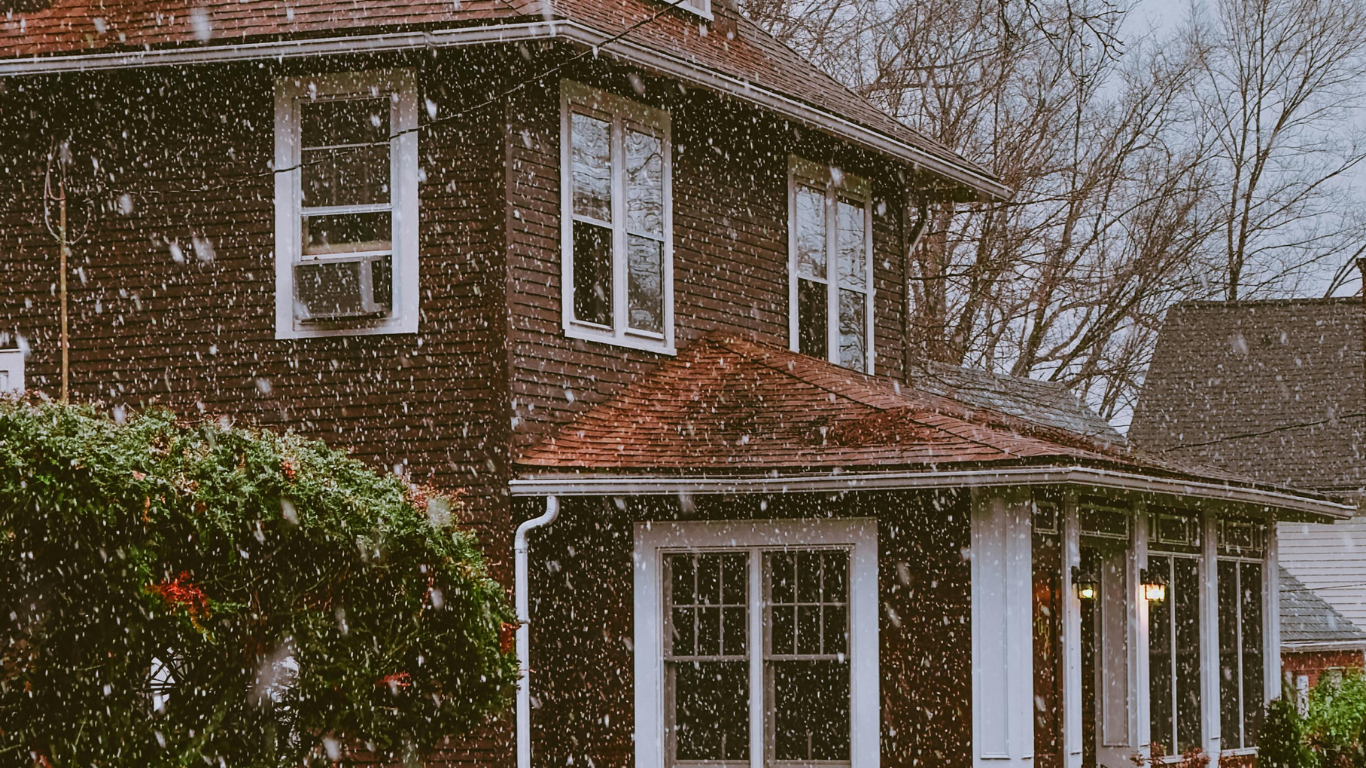
When freezing temperatures are forecasted in Georgia, homeowners often rush to prepare without knowing what truly matters. From a contractor’s perspective, most cold-weather damage doesn’t come from extreme conditions; it comes from how moisture, soil, and structures react when temperatures suddenly drop.
This article isn’t a checklist. It’s an explanation of what professionals look for before a freeze and why certain issues appear after cold weather passes.
Why Freezing Weather Exposes Existing Problems
Freezing temperatures rarely create new problems on their own. Instead, they expose weaknesses that already exist.
When the ground cools rapidly, moisture movement slows. Water that normally drains away stays longer around the home. Once temperatures rise, that trapped moisture moves quickly—often revealing drainage issues, foundation stress, or crawl space conditions that weren’t obvious before.
This is why homeowners often notice changes after a freeze, not during it.
Water Flow Matters More Than Temperature
From experience, the biggest factor before a freeze isn’t cold air — it’s where water is going.
Homes that already manage water well usually come through freezing weather without issues. Homes that allow water to collect near the foundation are more likely to experience changes once temperatures fluctuate.
This is why professionals pay close attention to:
- How roof runoff exits the property
- Whether water drains away or sits near the home
- Areas that remain wet longer than expected
Freezing weather simply accelerates the effects of poor water movement.
Small Openings Become Stress Points in Cold Weather
Minor gaps and small cracks don’t always cause immediate concern. However, when temperatures drop, these areas become stress points.
Moisture entering small openings can freeze and expand, applying pressure that wouldn’t occur in warmer conditions. When temperatures rise again, those areas may appear larger or more noticeable.
What looks like a sudden issue after a freeze is often the result of an existing vulnerability reacting to temperature change.
Why Crawl Spaces React First
In many Georgia homes, crawl spaces respond to freezing weather before any other part of the structure.
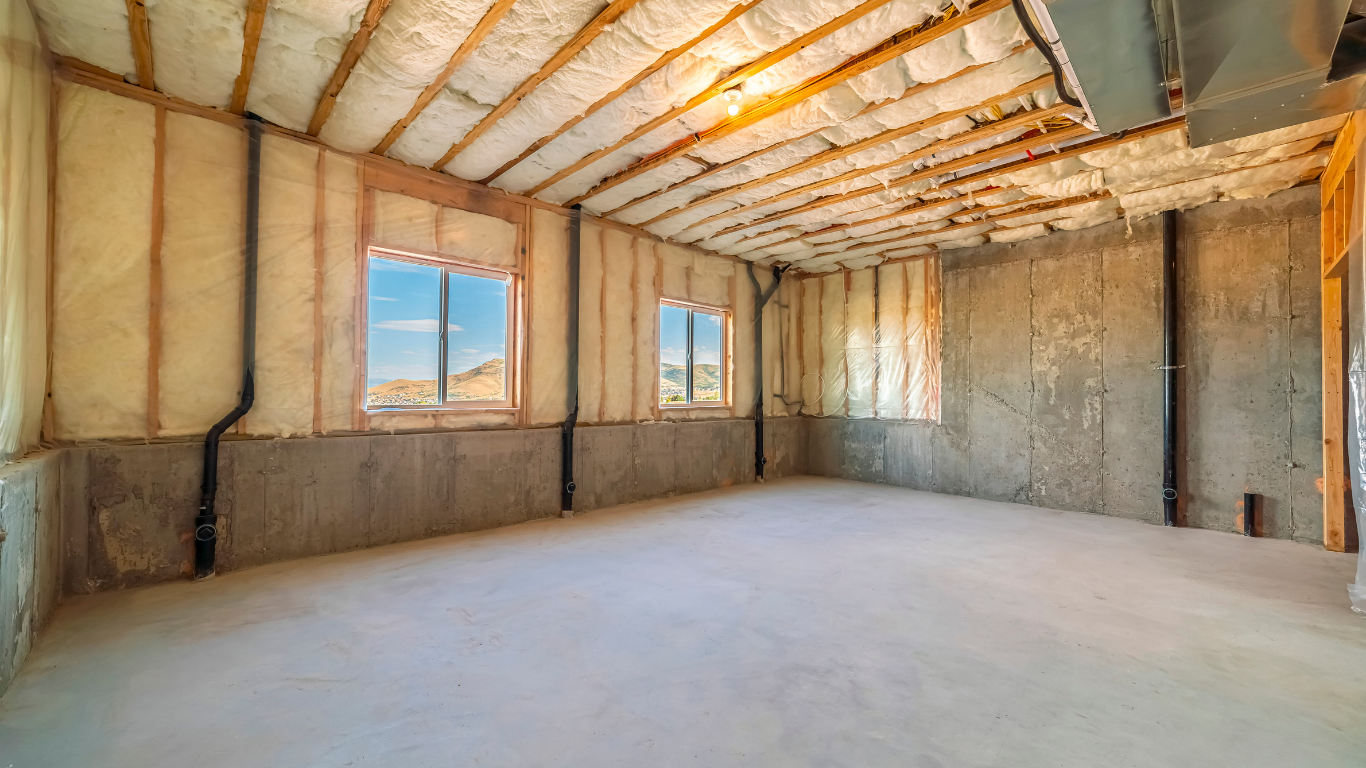
Cold air entering beneath the home combined with existing moisture can change humidity levels quickly. This may affect flooring, framing, and indoor comfort—sometimes without visible water present.
Professionals often look for subtle signs like:
- New odors
- Changes in floor feel
- Lingering dampness after cold nights
These indicators tend to appear before more obvious symptoms.
The Most Overlooked Step: Observing After the Freeze
One of the most valuable things homeowners can do isn’t during the freeze—it’s after.
Once temperatures rise:
- Observe where water collects
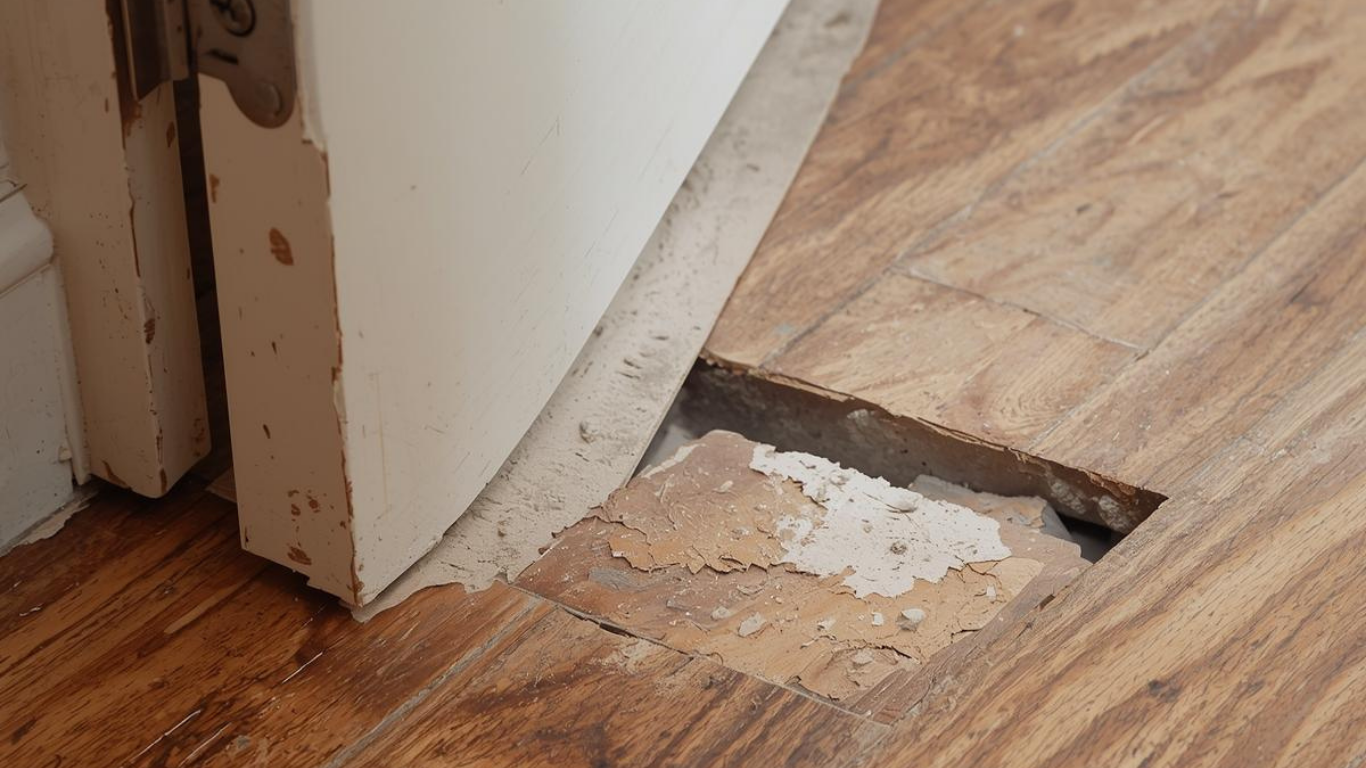
- Note any changes in how doors or floors behave
- Pay attention to moisture or air quality changes
These observations help distinguish between temporary weather effects and underlying issues that deserve attention.
Final Thoughts
Freezing temperatures in Georgia don’t usually cause damage by themselves. Instead, they reveal how well a home handles moisture, drainage, and structural movement under stress.
Understanding this distinction helps homeowners focus on what truly matters—not panic preparation, but awareness and early identification.
If you want clarity before freezing temperatures arrive, or if cold weather reveals changes you weren’t expecting, CGS Waterproofing offers free inspections to help homeowners understand what they’re seeing and what to do next.