Why Homes Creak More in Winter: What No One Tells You About Foundation Movement
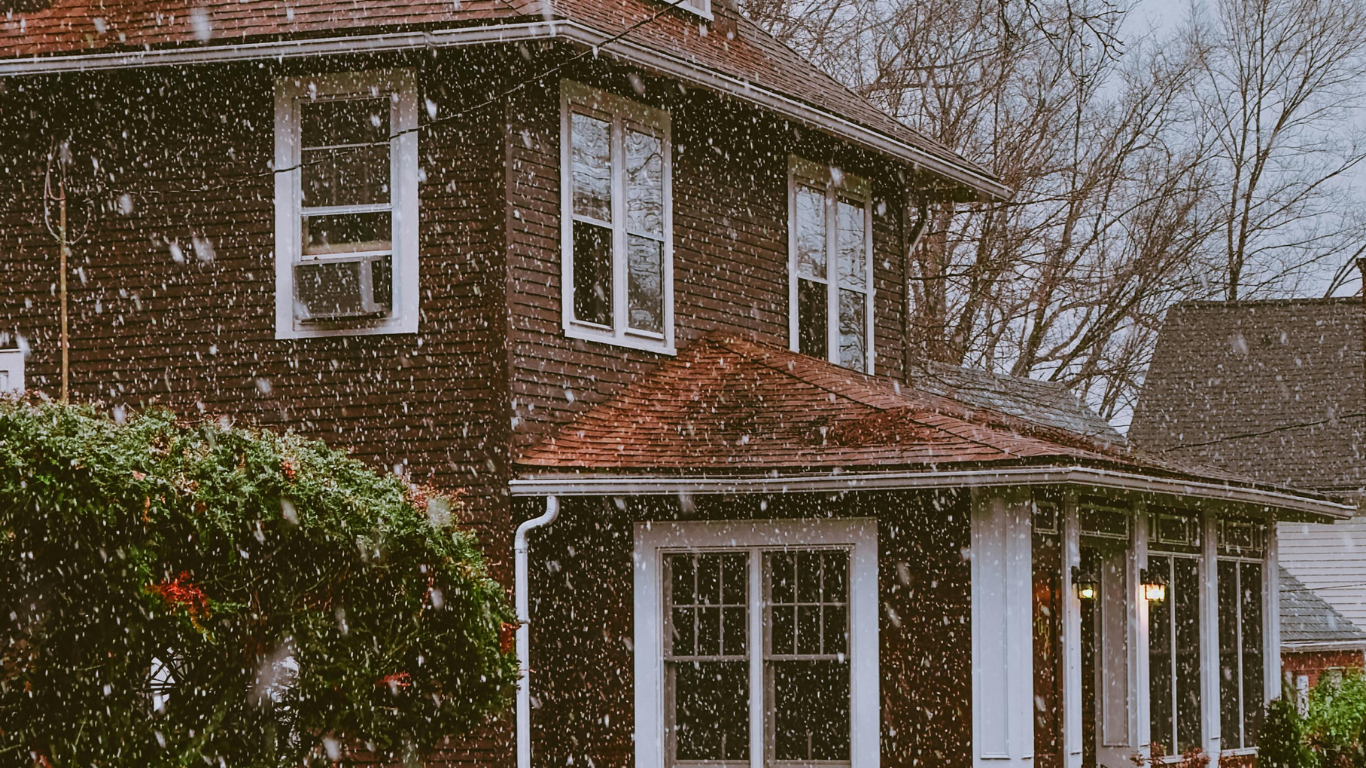
If your home seems louder during cold weather — with popping, cracking, or creaking sounds — you’re not imagining it. Many Georgia homeowners notice these noises in winter, especially at night or early in the morning. Most of the time, these sounds are caused by normal temperature changes, but in some cases, they can be early signs of foundation movement. Here’s what these winter house noises may mean for your home’s structure.
Why Homes Make More Noise in Cold Weather
- 1. Temperature Changes Make Materials Expand and Contract: Wood framing, siding, and flooring shrink slightly when temperatures drop.
- 2. Georgia’s Soil Contracts When It Gets Cold: Clay-rich soil loses moisture in winter, causing it to shrink and pull away from the foundation.
- 3. Heating Systems Warm the House Unevenly: When heat first turns on, ducts and framing warm up faster than other parts of the home, causing sudden, sharp popping sounds.
- 4. Moisture Levels Shift in Crawl Spaces: Cold weather often increases crawl space humidity or creates condensation, and as wood absorbs or releases moisture, it expands or contracts — making noise.
Most of these sounds are harmless. But certain noises, combined with visible signs, can indicate foundation movement.
When Winter Noises Could Signal a Foundation Problem
If you hear loud pops, cracking sounds, or new creaking paired with these signs, it may indicate the foundation is shifting:
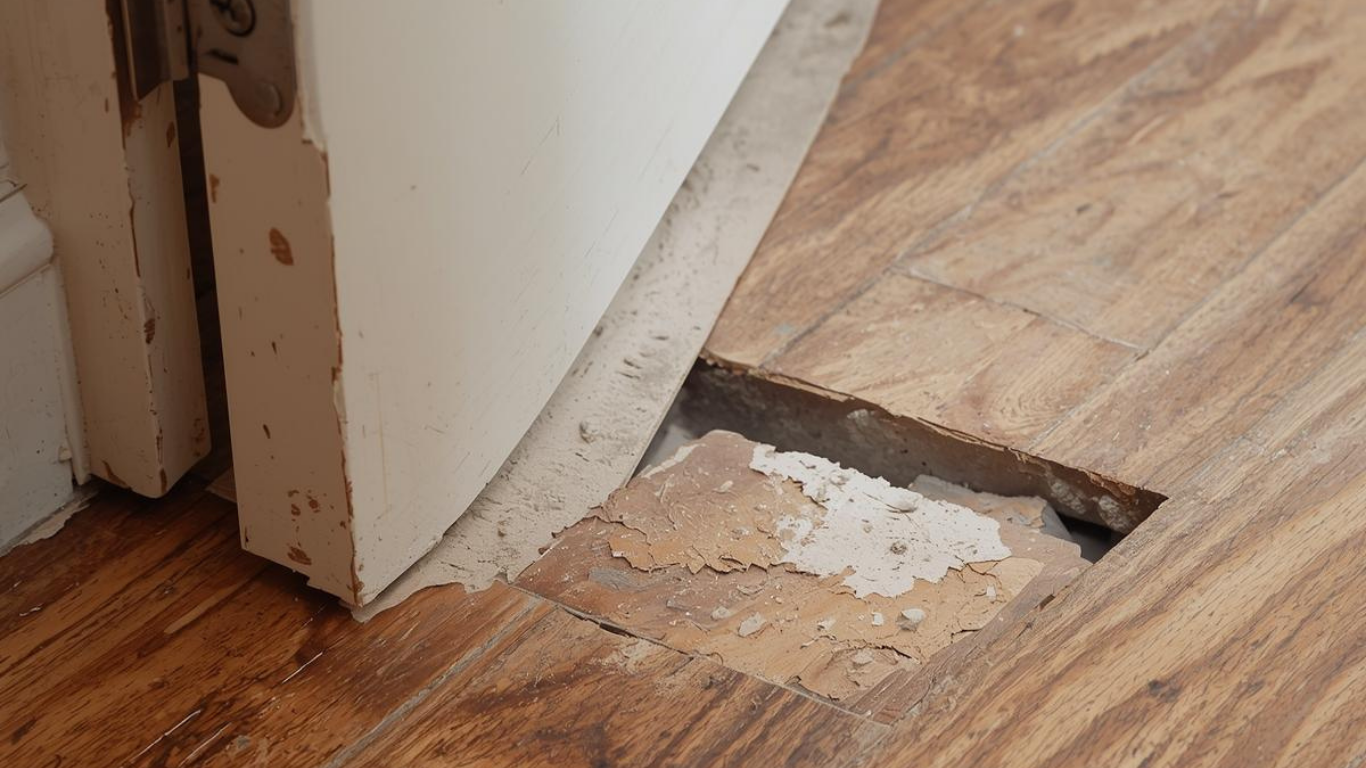
- Doors suddenly sticking
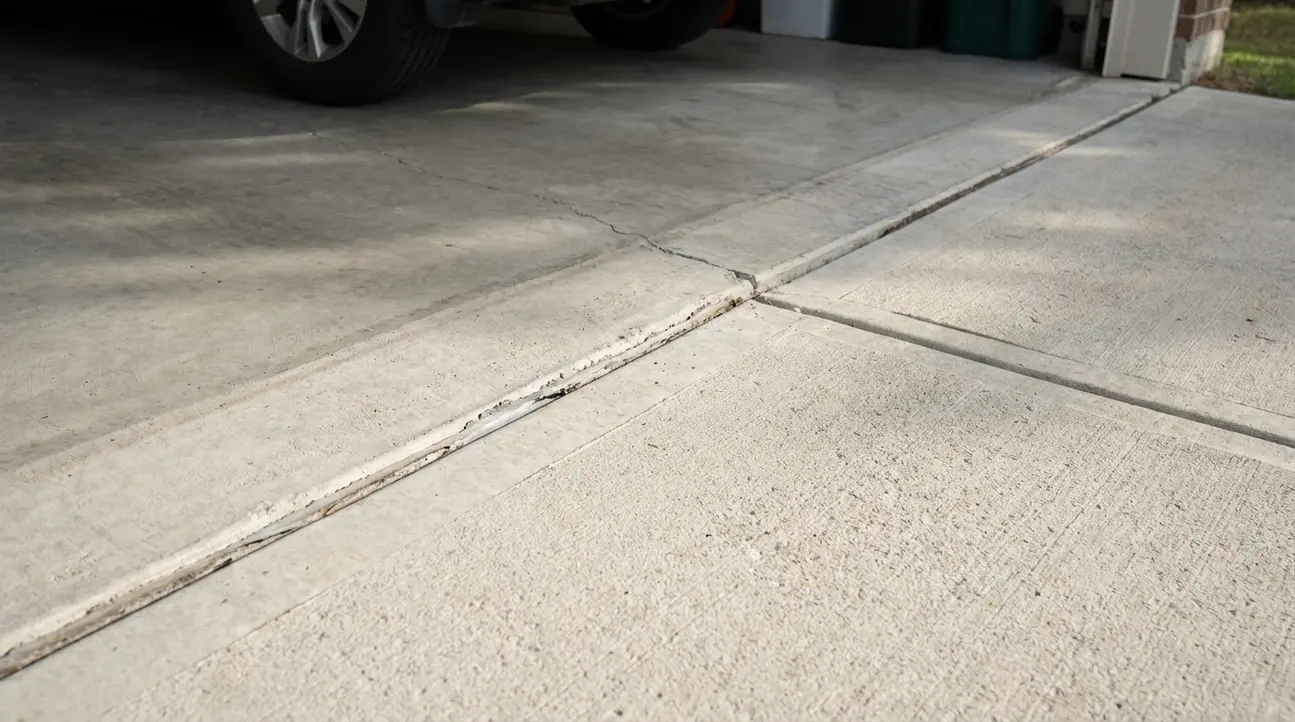
- New cracks around windows or interior walls
- Floors becoming uneven
- Gaps forming between walls and ceilings
- Exterior soil pulling away from the foundation
- Cold drafts coming from the floor
These issues often appear or worsen in winter due to soil contraction and moisture changes — two of the most common causes of foundation movement in Georgia homes.
Simple Steps Homeowners Can Take
You don’t need a full inspection to keep an eye on winter foundation behavior. These quick checks help catch early issues:
- Walk around the house and look for new cracks
- Check for gaps around baseboards or ceilings
- Note any new sticking doors or windows
- Look for soil pulling away from the home
- Pay attention to cold spots or drafts on the floor
These small changes can signal foundation movement caused by winter weather.
It’s normal for homes to make more noise during cold weather — materials expand, contract, and adjust to temperature changes. But when creaking is paired with cracks, sticking doors, uneven floors, or shifting soil, it may be an early warning sign of foundation movement.
If you think your home may have an issue, or if you’re already noticing these winter changes, CGS Waterproofing offers free inspections to help identify the cause and protect your home before the damage grows.
📞 Contact the Professionals at CGS Waterproofing Today!
Phone: (404) 234-0248
Phone: (404) 234-0248